
Best free VPN for a site in 2026? Whether you want to access a website securely, protect your online privacy, or browse content that may be restricted in your region, a reliable free VPN can help. Modern VPN services encrypt your internet connection, hide your IP address, and reduce the risk of data tracking while you browse.
In 2026, free VPNs have become faster, more secure, and easier to use than ever before. Many trusted providers now offer free plans with strong encryption, no-logs policies, and servers in multiple countries. While free versions often include limits on data, speed, or server locations, they are still a great option for everyday browsing, accessing websites safely, and protecting your personal information on public Wi-Fi.
In this guide, we’ll explore the best free VPNs for websites in 2026, compare their features, discuss their advantages and limitations, and help you choose the right VPN for your needs. Whether you’re a student, traveler, remote worker, or casual internet user, you’ll find a free VPN that offers the right balance of security, performance, and ease of use.
If you’ve ever tried to open a website and got hit with “this content isn’t available in your region,” you already know why people go looking for a free VPN. Maybe you’re trying to access a work portal from home, watch a show that’s geo-locked, check prices on a shopping site that shows different rates by country, or just browse a site that’s blocked on your office or college Wi-Fi.
Whatever the reason, in 2026 there are more free VPN options than ever — but also more traps. Some free VPNs sell your browsing data. Some throttle your speed until the site barely loads. And some are outright unsafe.
This guide walks you through what a free VPN can realistically do for accessing a specific site, which ones are worth trying, and where the free route stops making sense.
Why People Look for a Free VPN for a Specific Site
Not everyone needs a VPN running 24/7. A lot of people just need it for one thing: getting into one particular website or service that’s not loading properly. Some common examples:
- A student trying to reach a university research portal that only allows access from certain countries
- Someone trying to check flight prices on a booking site that shows cheaper fares to visitors from other regions
- A freelancer who needs to log into a client’s tool that’s restricted to a specific country’s IP addresses
- Someone trying to watch a show on a streaming site that hasn’t launched in their country yet
- A person on a public or office network where a site is blocked by the network admin
In all these cases, you don’t need a full-blown VPN subscription. You need something that can quickly change your IP address and location, load the one site, and get out of the way.
How a VPN Actually Helps You Open a Blocked Site
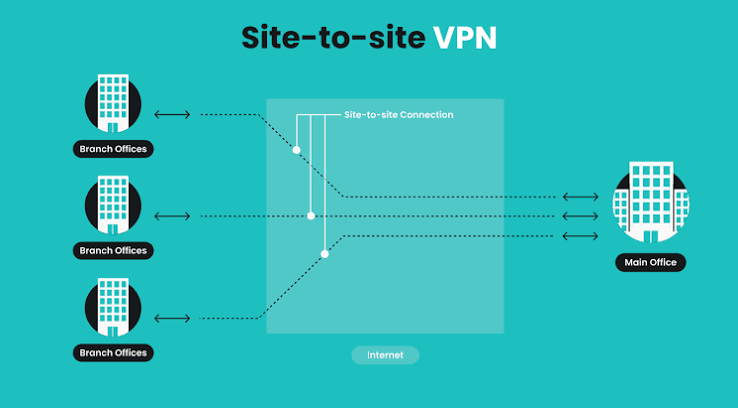
A VPN works by routing your internet connection through a server somewhere else in the world before it reaches the website. So instead of the website seeing your real location, it sees the VPN server’s location. If that server is in a country where the site is allowed, the site loads normally.
That’s the whole trick. It’s not magic, and it’s not always guaranteed to work — some sites have gotten good at detecting VPN traffic and blocking it too. But for most everyday cases, a decent VPN server in the right country solves the problem in under a minute.
Free VPN Options Worth Trying in 2026: Free VPN for a Site in 2026
Here’s a rundown of free VPN types and tools that are commonly used to unlock a specific site. None of these are perfect, so pay attention to the pros and cons for each.
1. Browser Extension VPNs
These sit inside your browser (Chrome, Edge, Firefox) and only reroute traffic for that browser tab, not your whole device. This is often the fastest way to open one specific site.
Browser extension VPNs are a simple and convenient way to protect your web browsing without installing a full VPN application. Available for popular browsers like Chrome, Firefox, Edge, and Opera, these extensions encrypt browser traffic, helping you browse websites more securely and privately. They are ideal for users who mainly need protection while surfing the web.
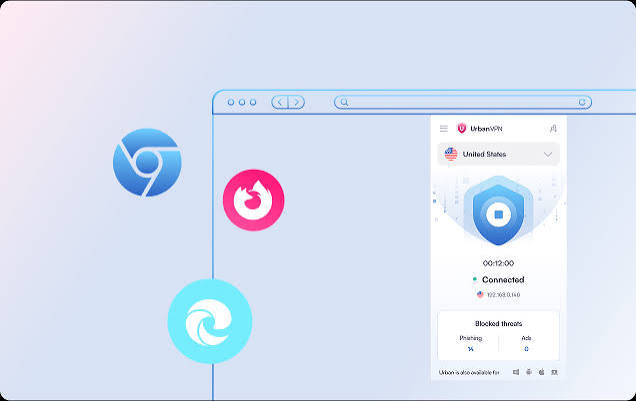
Most VPN browser extensions let you change your virtual location by connecting to servers in different countries. This can help you access region-restricted websites, reduce online tracking, and improve privacy on public Wi-Fi networks. Many free VPN providers offer browser extensions with easy one-click connections, making them suitable for beginners.
However, it’s important to understand that most browser VPN extensions only protect traffic inside the browser. Other applications on your computer, such as email clients, games, or messaging apps, usually remain unencrypted unless you use the provider’s full VPN app. For complete device protection, installing the full VPN software is the better choice.
When choosing a browser extension VPN in 2026, look for features such as strong encryption, a strict no-logs policy, WebRTC leak protection, fast connection speeds, and servers in multiple countries. Trusted providers also offer automatic updates and built-in malware or phishing protection for safer browsing.
Example use case: You need to check a US-only retail site for a product price comparison. You install a browser VPN extension, switch the server to “United States,” refresh the page, and you’re in.
Pros:
- Quick to set up, usually takes under two minutes
- Doesn’t affect the rest of your device or other apps
- Good for one-off site access
Cons:
- Doesn’t protect apps outside the browser
- Many free extensions have limited server locations
- Some log and sell browsing data, so it’s worth checking the extension’s privacy policy before installing
2. Free Tier of Paid VPN Apps
Several VPN companies offer a free version with a data cap (often 500MB to 10GB a month) or a limited number of server locations. These tend to be more reliable than random free-only apps because the company has a paying user base to maintain their infrastructure.
Many premium VPN providers offer a free tier that allows users to experience their service without paying. These free plans are an excellent choice for people who want better security and privacy than most completely free VPNs can provide. While they usually come with limitations such as monthly data caps, fewer server locations, or reduced speeds, they still include the provider’s core security features.
In 2026, several trusted VPN companies offer generous free plans with military-grade encryption, no-logs policies, DNS leak protection, and reliable performance. These free tiers are ideal for everyday browsing, checking email, online banking, and protecting your connection on public Wi-Fi. They also allow users to test the VPN before deciding whether to upgrade to a premium subscription.
The biggest advantage of a paid VPN’s free tier is trust and reliability. Since these companies earn revenue from premium subscriptions rather than selling user data, they are generally more transparent about their privacy practices. Users can expect regular security updates, modern VPN protocols, and better customer support than many completely free VPN services.
However, free tiers do have restrictions. You may only have access to a limited number of server locations, lower connection speeds during peak hours, or a fixed monthly data allowance. Streaming support, advanced security features, and access to all global servers are often reserved for paid subscribers.
Before choosing a free tier VPN, compare its data limits, server availability, privacy policy, supported devices, and upgrade pricing. If your needs are basic, a premium VPN’s free plan can provide a secure and dependable browsing experience without any cost, making it one of the best options for privacy-conscious users in 2026.
Example use case: You want to access a site for a few hours over a weekend, and 2GB of free data is more than enough to browse and stream a short video.
Pros:
- Generally safer since the company has a reputation to protect
- Better speeds than fully free VPN apps
- Can often be used on phone and desktop with the same free account
Cons:
- Data caps run out fast if you’re streaming
- Fewer server location choices on the free plan
- Some nag you constantly to upgrade
3. Free Standalone VPN Apps
These are apps built entirely around a free model, usually earning money through ads or by showing you upgrade prompts. Quality varies a lot here.
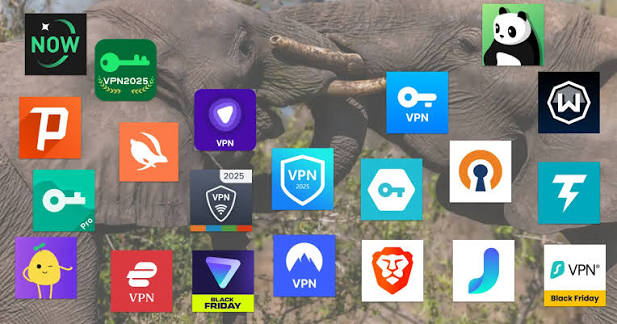
Free standalone VPN apps are complete VPN applications that you install directly on your computer, smartphone, or tablet. Unlike browser extensions, these apps protect your entire internet connection, including web browsers, email clients, streaming apps, online games, and other software. This makes them a better choice for users who want full-device privacy and security.
In 2026, many standalone VPN apps offer strong encryption, secure VPN protocols, and user-friendly interfaces at no cost. They are designed to hide your IP address, encrypt your internet traffic, and help protect your personal information from hackers, trackers, and insecure public Wi-Fi networks. Most free VPN apps are available for Windows, macOS, Android, iPhone, and Linux, allowing you to stay protected across multiple devices.
One of the biggest benefits of standalone VPN apps is their system-wide protection. Every app that connects to the internet can benefit from the encrypted VPN tunnel, providing a much higher level of security than browser-only solutions. Many free VPN apps also include useful features such as automatic connection, kill switch support, DNS leak protection, and split tunneling, although some advanced features may only be available in premium plans.
Free standalone VPN apps often come with limitations, including monthly data caps, fewer server locations, slower speeds during busy periods, or restrictions on streaming and torrenting. Despite these limits, they remain an excellent option for everyday browsing, online banking, remote work, and protecting sensitive information while using public Wi-Fi.
When selecting a free standalone VPN app in 2026, look for a provider with a strict no-logs policy, strong encryption, fast and stable servers, regular security updates, and a good reputation for protecting user privacy. Choosing a trusted VPN service ensures a safer and more reliable online experience without requiring a paid subscription.
Example use case: Occasionally unlocking a single website that isn’t sensitive, like reading news articles that are geo-restricted.
Pros:
- No cost at all
- No sign-up required in many cases
- Simple one-tap connect
Cons:
- Slower speeds, especially during peak hours
- Frequent disconnects
- A few of these apps have been caught bundling data-selling practices, so it’s worth reading reviews before installing
4. Proxy-Based Site Unblockers
Technically not a full VPN, but many people use these the same way — you paste the site’s URL into a web-based tool, and it loads the site through a different server.
Proxy-based site unblockers are online services that allow you to access websites through an intermediary server instead of connecting directly. When you visit a website using a proxy, your request is routed through the proxy server, which hides your real IP address from the destination website. This can help users access websites that may be restricted in their region or on a local network without installing any software.
One of the main advantages of proxy-based site unblockers is their simplicity. Most services work directly in your web browser—just enter the website URL, and the proxy loads the page for you. This makes them useful on shared or public computers where installing a VPN is not possible. Many proxy services are free and require no registration, making them a convenient option for quick access to websites.

However, proxy-based unblockers do not provide the same level of security as a VPN. Many free proxies do not encrypt your internet traffic, meaning your internet service provider, network administrator, or other third parties may still be able to monitor your online activity. They also typically protect only the browser session and not other apps or services running on your device.
Performance and reliability can also vary. Free proxy services may have slower speeds, limited server locations, display advertisements, or experience downtime during periods of heavy use. Some websites can detect and block proxy traffic, reducing their effectiveness for accessing certain content.
If your main goal is quickly opening a blocked website, a proxy-based site unblocker can be a convenient solution. However, if you need stronger privacy, better security, and protection for your entire device, a reputable VPN is generally the better choice. Before using any free proxy service, always review its privacy policy and avoid entering sensitive information such as passwords, banking details, or personal data unless the connection is secure.
Example use case: Quickly opening one page without installing anything at all, useful on a shared or office computer where you can’t install software.
Pros:
- No installation needed
- Works instantly in the browser
- Good for a single quick task
Cons:
- Doesn’t encrypt your full connection, only the browsing session
- Often breaks on sites with heavy scripts or logins
- Not suitable for anything involving passwords or payment details
A Simple Way to Pick the Right One for Your Situation
Instead of listing every app out there, it helps to match the tool to what you’re actually trying to do:
- Just need to peek at one page, nothing sensitive → a proxy-based unblocker is fine
- Need to log in and use a site for a short session → a browser extension VPN
- Need it for a few hours across your whole device, not just the browser → free tier of a paid VPN app
- Don’t mind ads and just want zero cost → a free standalone VPN app, but check reviews first
Real Examples of Getting a Site to Load
Here’s what the process usually looks like in practice:
Example 1 — Checking prices on a foreign shopping site: You install a browser VPN extension, set the location to the country the site is priced for, and reload the page. Prices update within a few seconds because the site is reading your new IP location.
Example 2 — Reaching a work tool while traveling:g You’re abroad, ad and your company’s internal tool only allows logins from your home country’s IP range. You switch on the free tier of a VPN app, pick a server in your home country, and log in as usual.
Example 3 — Watching a show not yet available in your country: You connect through a free VPN app to a server in the country where the show is streaming. Sometimes it works right away; other times the streaming site detects the VPN and blocks it, in which case switching to a different server location often solves it.
Things a Free VPN Won’t Do Well
It’s worth being upfront about the limits here, because expecting too much leads to frustration:
- Streaming in HD consistently is tough on free VPNs because of the data caps and slower speeds
- Bypassing strict corporate or government-level blocks usually needs more advanced tools, not a basic free VPN
- Staying connected for long sessions — many free VPNs disconnect after 30–60 minutes
- Full privacy — some free VPNs make their money by tracking what you do, so treat anything involving banking or personal data with caution
Safety Checklist Before Using Any Free VPN
Before you install anything, run through this quick list:
- Check if the app or extension has a clear privacy policy — if there isn’t one, that’s a red flag
- Look at recent reviews, not just the star rating, to see if people mention slowdowns or crashes
- Avoid free VPNs that ask for unnecessary permissions, like access to your contacts or messages
- Never use a random free VPN for banking, tax filing, or anything involving payment details
- If a “free” VPN has zero data limit and unlimited speed with no ads and no catch, be skeptical — infrastructure costs money somewhere
Free VPN vs Paid VPN: A Quick Comparison
| Feature | Free VPN | Paid VPN |
|---|---|---|
| Cost | ₹0 | Usually ₹150–₹600/month |
| Data limits | Often capped | Usually unlimited |
| Speed | Variable, often slower | Consistently faster |
| Server locations | Limited | Wide range |
| Streaming reliability | Hit or miss | Generally reliable |
| Privacy | Varies, some log data | Better providers offer no-log policies |
| Best for | Occasional, single-site access | Regular or daily use |
If you only need a VPN once in a while for a specific site, free is usually enough. If you find yourself reaching for a VPN every day, it’s worth checking if a low-cost paid plan actually saves you time and frustration.
Pros and Cons of Using a Free VPN for Site Access Overall
Pros:
- Zero cost, no commitment
- Solves most one-off geo-blocking situations
- Easy to install and remove when you’re done
- Good option for students, occasional travelers, or casual browsing needs
Cons:
- Speed and reliability are inconsistent
- Data caps can run out quickly
- Some apps compromise on privacy to stay free
- Not ideal for sensitive tasks like banking or filing documents
Frequently Asked Questions
Is it legal to use a free VPN to access a blocked site?
In most countries, using a VPN itself is legal. What you do on the site matters more than the VPN. Some countries do restrict VPN use, so it’s worth checking your local rules if you’re unsure. Also check the target website’s terms, since some services don’t allow VPN access even if it’s technically legal where you live.
Can a free VPN unlock any website?
Not always. Some sites actively detect and block VPN traffic, especially banking sites and major streaming platforms. Switching server locations sometimes helps, but there’s no guarantee.
Do free VPNs slow down my internet a lot?
Yes, usually more than paid ones. This happens because free servers are shared by a lot of users at once. For light browsing it’s rarely a big issue, but for video streaming it can be noticeable.
Is my data safe on a free VPN?
It depends entirely on the provider. Some are genuinely careful with user data; others make money by collecting and selling browsing habits. Reading the privacy policy before installing takes two minutes and can save you a headache later.
Can I use a free VPN on my phone and laptop at the same time?
Most free VPNs limit you to one device per account, though a few allow two. If you need multi-device access regularly, that’s usually where free plans start feeling too limited.
What’s the difference between a VPN and a proxy for unblocking a site?
A proxy only reroutes your browser traffic for that session and doesn’t encrypt your full connection. A VPN encrypts everything on your device and is generally safer for anything beyond simple browsing.
Why does a site still show my old location even after connecting to a VPN?
This usually happens because of cached data or the site reading a leftover cookie. Clearing your browser cache or trying an incognito window after connecting to the VPN usually fixes it.
Conclsion
A free VPN is a genuinely useful tool when you need to get into one specific site — checking prices, catching a show, or logging into something you should have access to anyway. Just go in with realistic expectations: free tools trade off speed, data limits, or privacy in some way. For the occasional site-specific need, that trade-off is usually worth it. For daily or sensitive use, it’s worth comparing a low-cost paid plan before relying on free options long-term.