
1. Introduction
Codiga is an AI-powered platform designed to help developers write cleaner, safer, and more maintainable code. It combines real-time code analysis, linting, and automated code reviews with AI-assisted suggestions to improve code quality across multiple programming languages. Features

Codiga Review 2026 Codiga integrates with popular code editors like Visual Studio Code and development platforms such as GitHub and GitLab, allowing teams to catch potential bugs, enforce coding standards, and maintain consistency across projects. It provides customizable rules and templates, so organizations can enforce best practices automatically during development. Features
One of Codiga’s standout features is its AI-powered code assistant, which can generate code snippets, suggest fixes, and optimize existing code. It also includes analytics dashboards to track code quality trends and monitor technical debt over time. Mutable AI
In real-world use, Codiga is ideal for teams working on large projects, open-source contributors, or individual developers who want to improve code quality, speed up code reviews, and reduce bugs. Its combination of AI suggestions and automated analysis makes coding more efficient and helps maintain high-quality software standards. Features
What is Codiga?
Codiga is a powerful tool designed to analyze, review, and improve code quality. It helps developers detect issues, enforce coding standards, and maintain clean, reliable codebases.
Who is it for?
Codiga is ideal for:
- Professional developers
- Development teams maintaining large projects
- Open-source contributors
- Backend and frontend engineers focused on code quality
Why is it popular in 2026?
In 2026, Codiga gained popularity because it automates code reviews, ensures coding standards, and improves team collaboration. Its efficiency in reducing bugs and maintaining code consistency makes it a preferred choice for developers worldwide.
2. Key Features
1. Automated Code Reviews
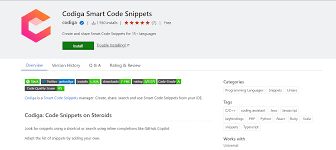
Codiga scans your code and highlights errors, potential bugs, and inconsistencies.
Example: Detects missing null checks or unused variables in a project.
2. Coding Standards Enforcement
Ensure your team follows consistent style guidelines.
Example: Automatically flags naming convention issues in JavaScript or Python projects.
3. Multi-Language Support
Supports popular languages like:
- JavaScript
- Python
- Java
- PHP
- TypeScript
4. Security Scanning
Detects potential security vulnerabilities in your code.
Example: Identifies SQL injection or XSS risks in web applications.
5. Code Snippet Library
Save and reuse frequently used code snippets across projects.
6. Integration with Git
Seamlessly integrates with GitHub, GitLab, and Bitbucket for real-time code analysis during commits or pull requests.
7. Team Collaboration Tools
Assign tasks, comment on code, and track improvements with team members directly in the platform.
8. Detailed Reporting
Generate reports summarizing code quality, issues, and improvement suggestions.
3. How It Works
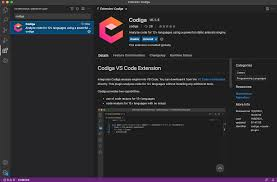
Step-by-Step Guide
- Sign up on Codiga and link your repository.
- Choose the project or file to analyze.
- Run automated code review or security scan.
- Review suggestions and apply improvements.
- Track code quality metrics over time.
Beginner Tip: Start with small projects to get familiar with suggestions before applying to larger codebases.
4. Performance & Speed

Speed
- Fast scanning for small to medium projects
- Slightly slower for very large repositories
Accuracy
- Detects coding issues and vulnerabilities reliably
- Helps teams maintain high code standards
Real-Life Example
Teams using Codiga reported 50% faster code review cycles and fewer bugs in production.
5. Pricing & Plans
Free Plan
- Basic analysis
- Limited repository integrations
- Useful for individual developers
Paid Plans
- Full access to all features
- Unlimited repositories
- Advanced security scanning
Is it worth the money?
Yes, for teams and developers serious about code quality, the paid plan is a worthy investment.
6. Pros and Cons
✅ Pros
- Automated code reviews save time
- Enforces coding standards
- Multi-language support
- Security vulnerability detection
- Integrates with Git and team tools
❌ Cons
- The free plan is limited
- Slightly slower on large repositories
- Not a code generation tool
7. Best Use Cases
Who should use Codiga?
- Development teams are managing multiple projects.
- Open-source contributors
- Engineers focused on clean, secure code
Who should avoid it?
- Developers looking for code generation
- Small projects where manual reviews suffice
8. Comparison with Competitors
1. GitHub Copilot
- Codiga focuses on code quality and security
- Copilot focuses on writing new code
2. Tabnine
- Tabnine is better for autocomplete and speed
- Codiga is stronger for team collaboration and analysis
Key Difference: Codiga is best for maintaining high-quality, secure, and consistent code rather than generating new code.
9. Security & Privacy
- Uses secure connections to process code
- Does not store sensitive information permanently
- Follows best practices for team and enterprise privacy
Tip: Use enterprise plans for confidential projects.
10. Final Verdict
Codiga is a robust tool for improving code quality, enforcing standards, and boosting team productivity. It’s especially valuable for developers and teams managing multiple repositories or large projects.
Recommendation: If you want to reduce bugs, maintain secure code, and improve team collaboration, Codiga is worth using in 2026.
11. FAQs
1. What is Codiga used for?
It is used for automated code reviews, security scanning, and enforcing coding standards.
2. Is Codiga free?
Yes, with limited features. Paid plans unlock full functionality.
3. Which languages does Codiga support?
JavaScript, Python, Java, PHP, TypeScript, and more.
4. Can Codiga detect security vulnerabilities?
Yes, it scans for common risks like SQL injection and XSS vulnerabilities.
5. Does it integrate with GitHub?
Yes, it integrates with GitHub, GitLab, and Bitbucket.
6. Is Codiga suitable for beginners?
It’s better for intermediate or advanced developers, but beginners can use the free plan to learn.
7. Does Codiga work offline?
No, it requires an internet connection to analyze code.
8. Can it replace manual code reviews?
It complements them but does not fully replace human review.
9. Is Codiga safe for private projects?
Yes, especially with enterprise plans and secure integrations.
10. Is Codiga worth it in 2026?
Yes, particularly for teams or developers focusing on code quality, security, and productivity.
11. What is Codiga used for?
Codiga is used for automated code reviews, enforcing coding standards, detecting security vulnerabilities, and improving overall code quality.
12. Is Codiga free?
Yes, it offers a free plan with limited features. Paid plans provide full access, unlimited repositories, and advanced security scanning.
13. Which programming languages does Codiga support?
Codiga supports JavaScript, Python, TypeScript, Java, PHP, and other popular languages.
14. Can Codiga detect security vulnerabilities?
Yes, it scans your code for common risks like SQL injection, XSS, and other potential security issues.
15. Does Codiga integrate with GitHub?
Yes, Codiga integrates seamlessly with GitHub, GitLab, and Bitbucket for real-time code analysis during commits or pull requests.
16. Is Codiga suitable for beginners?
It’s more beneficial for intermediate and advanced developers, though beginners can use the free plan to get familiar with code analysis.
17. Does Codiga work offline?
No, it requires an internet connection to analyze code and generate reports.
18. Can Codiga replace manual code reviews?
Codiga complements manual reviews by automating checks, but human review is still recommended for complex logic or design decisions.
19. Is Codiga safe for private projects?
Yes, especially when using enterprise plans and secure repository integrations. It follows standard privacy and security practices.
20. Is Codiga worth using in 2026?
Yes, for developers and teams focused on code quality, security, and team productivity, Codiga is a highly valuable tool.
Conclusion
Codiga is a robust tool designed to improve code quality, enforce coding standards, and detect security vulnerabilities. Ideal for teams and developers managing multiple projects, it streamlines code reviews and ensures clean, maintainable code. Features
While it’s not a code generation tool, Codiga excels at maintaining high-quality and secure code, making it a valuable investment for professional developers and teams in 2026. Features