
If you’ve been searching for a free VPN that doesn’t throttle your speed to a crawl or sell your data behind your back, you’re not alone. Millions of people every year try to find a free VPN that genuinely works — and most end up disappointed.
The good news? A handful of free VPN networks in 2026 are worth your time. Some offer decent speeds, solid privacy, and enough data to cover everyday browsing. The bad news? Most free VPNs out there are either useless, risky, or full of tricks designed to push you toward a paid plan.
This guide breaks down the best free VPN networks available right now — who they’re good for, what their limits are, and which ones you should avoid entirely.

best VPN network free in 2026 is easier than ever, thanks to several reliable providers offering secure, high-speed, and privacy-focused services at no cost. Whether you want to protect your online privacy, access geo-restricted content, browse safely on public Wi-Fi, or simply keep your internet activity private, a free VPN can be an excellent starting point.
However, not all free VPNs are created equal. Some limit data usage, reduce connection speeds, or offer only a few server locations, while the best options provide strong encryption, no-log policies, and stable performance without compromising your security.
In this guide, we’ll review the best free VPN networks in 2026, comparing their features, speed, privacy protections, supported devices, and limitations. By the end, you’ll know which free VPN is the right choice for streaming, gaming, browsing, or everyday online security—without spending a penny.
What Is a Free VPN and How Does It Work?
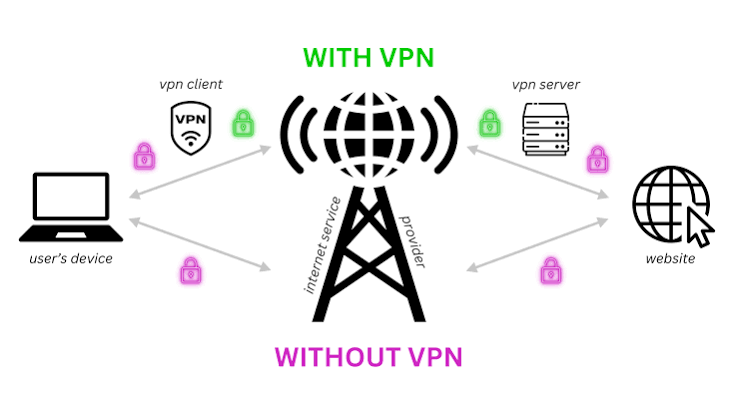
A VPN (Virtual Private Network) encrypts your internet connection and routes it through a server in another location. This hides your real IP address, makes your traffic harder to track, and lets you bypass geo-restrictions on content.
A free VPN does the same thing — but with limits. Usually, that means a data cap, fewer server locations, slower speeds, or ads. The idea is simple: offer a free tier to get users hooked, then convert them to a paid plan.
Some free VPNs are completely legitimate and just use this freemium model. Others are dangerous — they log your activity, inject ads into pages, or worse, sell your data to third parties. Knowing the difference is the whole point of this guide.
What to Look For in a Free VPN in 2026
Before jumping into the list, here’s what actually matters when picking a free VPN:
Data allowance — Most free VPNs cap your usage at 500MB to 10GB per month. If you’re only checking emails or light browsing, 500MB might be fine. For streaming or regular use, you need at least 10GB.
No-log policy — A good VPN should not record what you do online. Always check if the provider has had their no-log policy audited by a third party.
Server locations — More servers mean more flexibility. For example, if you want to access US Netflix content from India, you need a VPN that has US servers on the free plan.
Speed — Many free VPNs are noticeably slower than paid ones. Look for providers that offer reasonably fast speeds even on free tiers.
Device support — Does it work on your phone, laptop, and tablet? The best free VPNs cover multiple devices.
Security protocols — Look for WireGuard or OpenVPN support. These are industry-standard and much safer than older protocols.
Best Free VPN Networks in 2026
1. Proton VPN Free — Best Overall Free VPN
Proton VPN’s free plan stands out for one major reason: no data cap. You can use it as much as you want. That’s almost unheard of among free VPNs.
It’s run by the same team behind ProtonMail, a privacy-focused Swiss company. The free tier gives you access to servers in three countries — the US, the Netherlands, and Japan. Speeds are decent for browsing and light streaming, though heavy usage can slow things down.
The company has a verified no-logs policy and uses strong encryption. There are no ads, no data selling, and no shady business practices.
Proton VPN Free remains one of the strongest free VPN services in 2026 because it offers something that very few competitors do: unlimited data. Unlike many free VPNs that restrict you to a few hundred megabytes or a few gigabytes each month, Proton VPN lets you browse as much as you need without worrying about hitting a data cap. This makes it an excellent choice for daily browsing, online banking, remote work, and protecting your privacy on public Wi-Fi.
Privacy is Proton VPN’s biggest strength. The service uses AES-256 encryption, supports modern VPN protocols like WireGuard and OpenVPN, and follows a strict no-logs policy, meaning your browsing activity isn’t stored or sold to advertisers. The company, developed by the team behind Proton Mail, has built a strong reputation for transparency and security.
The free plan provides access to servers in a limited number of countries. Still, these servers are well-maintained and generally offer reliable performance for regular web browsing, emailing, social media, and video calls. While the free version doesn’t officially support streaming services or P2P file sharing, it delivers stable connections and consistent speeds for everyday internet use.
Proton VPN is available for Windows, macOS, Linux, Android, iPhone (iOS), and Chromebook, making it easy to secure nearly any device. The user interface is clean and beginner-friendly, allowing new users to connect to the fastest available server with a single click.
Best for: People who want an unlimited free VPN for daily browsing without worrying about running out of data.
Pros:
- Truly unlimited data
- No ads
- Audited no-logs policy
- Strong encryption (WireGuard + OpenVPN)
- Based in Switzerland (strong privacy laws)
Cons:
- Only 3 server locations on the free plan
- No P2P/torrenting allowed
- Speeds can dip during peak hours
- No streaming servers on the free tier
2. Windscribe Free — Best for Data Allowance (With a Trick)
Windscribe gives you 10GB of free data per month by default. But here’s the trick: if you confirm your email and tweet about Windscribe, you can push that up to 15GB. It’s a bit cheeky, but it works.
The free plan covers servers in over 10 countries, including the US, Canada, the UK, the Netherlands, and a few others. That’s more than most free VPNs offer.
Windscribe also has a built-in ad blocker (called R.O.B.E.R.T.) that works on the free tier. It’s one of those extras that make this plan feel like more than an afterthought.
Windscribe Free is one of the most generous free VPN services available in 2026, especially for users who need a larger monthly data allowance. New users receive 10 GB of free data per month after verifying their email address. If you choose not to verify your email, you’ll still receive a smaller free data limit. For many casual users, 10 GB is enough for secure browsing, social media, online shopping, and occasional video streaming.

The “trick” that makes Windscribe stand out is its bonus data opportunities. The service has occasionally rewarded users with additional free bandwidth through promotions, referrals, or community activities, allowing some users to enjoy even more monthly data without paying for a subscription. While these offers may change over time, they make Windscribe one of the most flexible free VPN options available.
Security is another major advantage. Windscribe uses AES-256 encryption, supports WireGuard, OpenVPN, and IKEv2 protocols, and includes a built-in firewall (its version of a kill switch) to protect your data if the VPN connection drops. The company also follows a no-identifying-logs policy, helping keep your online activity private.
One of Windscribe Free’s biggest strengths is its wide selection of server locations. Free users can connect to servers in multiple countries, giving them more flexibility than many competing free VPNs. Connection speeds are generally fast enough for HD video streaming, web browsing, video calls, and downloading files within the monthly data limit.
Windscribe offers dedicated apps for Windows, macOS, Linux, Android, iPhone (iOS), and browser extensions for Chrome, Firefox, and Edge, making it easy to secure all of your devices.
Best for: People who need a larger data allowance and some server variety without paying anything.
Pros:
- Up to 15GB/month
- 10+ server locations on the free plan
- Built-in ad and tracker blocker
- Strong privacy practices
- Works on Windows, Mac, iOS, Android, Linux
Cons:
- Data cap still exists (not unlimited)
- Some servers are slow
- Streaming is hit or miss
- Monthly data doesn’t roll over
3. Hide.me Free — Best for Speed
Hide.me‘s free plan is one of the fastest you’ll find. It offers 10GB of monthly data and access to 5 server locations — Netherlands, US, Germany, Canada, and Singapore.
The connection speeds are consistently good, even during peak times. For video calls, quick downloads, or light browsing, it holds up well. The company is based in Malaysia and has a no-logs policy that’s been independently audited.
One thing worth mentioning: Hide.me doesn’t require registration to use the free plan. You can download it and start using it without creating an account. That’s a small but meaningful privacy bonus.
Best for: Users who prioritize speed and don’t want to hand over an email address just to use a VPN.
Pros:
- Fast connection speeds
- No registration required
- 10GB monthly data
- Audited no-logs policy
- Works across major platforms
Cons:
- Only 5 server locations
- No P2P support on the free plan
- 10GB goes quickly with video streaming
- Limited customer support on the free tier
4. Tunnelbear Free — Best for Beginners
If you’ve never used a VPN before, TunnelBear is the easiest one to start with. The app is clean, visual, and genuinely fun to use. You pick a country on a map, toggle the bear on, and you’re connected. That’s it.
The free plan gives you 2GB per month, which is on the lower end. But if you just need a VPN for occasional use — public Wi-Fi at a café, checking something on a trip, or a quick privacy boost — 2GB is workable.
TunnelBear has servers in over 47 countries, all available on the free plan. That’s a huge selection compared to most free tiers.
Best for: First-time VPN users who want something simple and clean.
Pros:
- Very beginner-friendly interface
- 47+ countries on the free plan
- Well-known and trusted brand
- Annual independent security audits
Cons:
- Only 2GB/month (very limited)
- Speeds are average
- No router support
- Not ideal for heavy or daily use
5. PrivadoVPN Free — Best for Streaming
PrivadoVPN is a newer name in the space, but its free plan punches well above its weight. You get 10GB per month and access to 12 server locations, including key streaming-friendly regions like the US, UK, Germany, and Canada.
More importantly, it actually works with some streaming platforms on the free tier. That’s rare. If you want to watch content from another region occasionally, PrivadoVPN is worth trying before you commit to paying for anything.
The company is based in Switzerland and has a no-logs policy. The app is clean and works well on both mobile and desktop.
Best for: Occasional streaming and users who want a free VPN that can access geo-restricted content.
Pros:
- 10GB monthly data
- Good for streaming on the free tier
- 12 server locations
- Based in Switzerland
- Clean, easy-to-use app
Cons:
- After 10GB, the speed drops to 1Mbps (very slow)
- Newer company, less established reputation
- Limited advanced settings
Free VPNs to Avoid in 2026
Not every free VPN deserves your trust. Some are outright dangerous. Here are a few red flags to watch out for:
Unlimited bandwidth with no clear business model — If a VPN is truly free, unlimited, and has no premium tier, ask yourself: how are they paying for servers? Often, the answer involves selling your data or using your device as part of a proxy network (this is how Hola VPN works — your connection is shared with other users).
No privacy policy or vague logging terms — Any legitimate VPN will be upfront about what data it keeps. If the privacy policy is unclear or buried in legal language that doesn’t actually say anything, walk away.
Asking for excessive permissions — A VPN doesn’t need access to your contacts, camera, or microphone. If an app asks for these during setup, uninstall it.
VPNs linked to data breaches — SuperVPN and UFO VPN, for example, have both been caught in major data exposure incidents in recent years. Despite their popularity on app stores, they’re not safe choices.
Free vs Paid VPN: Is Free Enough?
For light, occasional use, free is usually fine. If you mainly want to protect yourself on public Wi-Fi, mask your location occasionally, or access a foreign website now and then, a free VPN from this list will cover you.
But if you’re a heavy user, a streamer, a remote worker, or someone who genuinely needs privacy protection every day, a paid VPN is a better investment. Plans from providers like NordVPN, Surfshark, or ExpressVPN often cost less than ₹350–₹500 per month on annual plans — and you get unlimited data, faster speeds, more servers, and proper customer support.
Think of free VPNs like a trial run. They’re real, nd they work, but they’re designed with limits.
Frequently Asked Questions
Is it safe to use a free VPN?
Some free VPNs are completely safe — like Proton VPN, Windscribe, and Hide.me. Others are not. The key is sticking with providers that have verified no-logs policies and a transparent business model. Avoid unknown VPN apps from random app store searches.
Which free VPN has no data limit?
Proton VPN is currently the only well-known free VPN with no data cap at all. Every other reputable free VPN comes with a monthly data limit.
Can I use a free VPN to watch Netflix?
It’s difficult. Most streaming platforms actively block VPN connections, including Netflix. PrivadoVPN occasionally works, and some Windscribe servers have had success in the past. But this is never guaranteed on a free plan.
Does a free VPN slow down my internet?
Yes, to some degree. All VPNs add a small amount of overhead because your traffic is being encrypted and rerouted. Free VPNs tend to be slower than paid ones because they have more users per server. Hide.m Windscribe and I are generally the fastest free options.
Can I use a free VPN on my phone?
Yes. All five VPNs listed in this guide have mobile apps for both Android and iOS. Proton VPN and Windscribe are particularly good on mobile.
Are free VPNs legal in India?
Yes, using a VPN is legal in India. However, in 2022, India’s CERT-In issued new rules requiring VPN providers to keep user logs for five years. Many major VPN companies (including Proton and ExpressVPN) removed their Indian servers in response rather than comply. This means you may connect to international servers instead of local ones, which can affect speed slightly.
What is the best free VPN for a beginner?
TunnelBear is the easiest to use and understand. Proton VPN is a close second — it’s simple but also the most capable free option overall.
Conclsion
If you need one recommendation: go with Proton VPN Free. It’s the only free VPN that gives you unlimited data, has a clean privacy track record, and doesn’t bombard you with ads or upsells at every turn. The three-server limit is a real restriction, but for most everyday users, it’s perfectly manageable.
If you need more server variety, Windscribe is the next best thing. If speed matters most to you, Hide.me is worth a look. And if you’re completely new to VPNs, Tunnelbear will get you set up in under two minutes without any confusion.
One last tip: whichever free VPN you choose, download it directly from the official website or the official app store listing. There are fake VPN apps out there that look legitimate but aren’t. Take that extra thirty seconds to verify you’re in the right place — it’s worth it.