
1. Introduction
DeepCode is an AI-powered tool designed to help developers detect bugs, security vulnerabilities, and code quality issues in real time. It uses machine learning and static code analysis to scan your codebase and provide actionable recommendations, making it easier to maintain secure and reliable software.
DeepCode Review 2026 -DeepCode integrates with popular platforms like GitHub, GitLab, and Bitbucket, allowing teams to automatically review code during pull requests and commits. It supports multiple programming languages, including Java, Python, JavaScript, and more. Features

A key feature of DeepCode is its real-time AI-powered feedback, which highlights potential bugs, suggests fixes, and recommends improvements based on patterns learned from millions of open-source projects. This helps developers catch problems before they reach production and ensures that code adheres to best practices. Codiga
In real-world use, DeepCode is ideal for software teams who want to reduce bugs, improve code quality, and maintain secure applications. It combines AI intelligence with automated code review to save time, improve reliability, and support continuous integration workflows.
What is DeepCode?
DeepCode is a code analysis platform that scans your codebase to identify bugs, vulnerabilities, and maintain coding standards. It helps developers improve code quality and reduce errors before deployment.
Who is it for?
DeepCode is ideal for:
- Professional developers
- Development teams
- Open-source contributors
- Organizations that prioritize secure and maintainable code
Why is it popular in 2026?
In 2026, DeepCode is widely adopted because it automates code review, detects critical vulnerabilities, and integrates easily with popular repositories. Its efficiency in preventing errors before deployment makes it a top choice for developers and teams.
2. Key Features
1. Automated Code Review
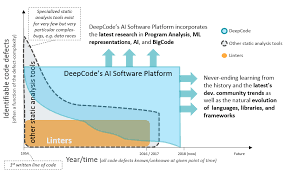
Scans code for errors, vulnerabilities, and best practice violations.
Example: Detects null pointer exceptions or unused variables in Java projects.
2. Multi-Language Support
Supports multiple programming languages, including:
- Python
- JavaScript
- Java
- TypeScript
- C#
3. Security Vulnerability Detection
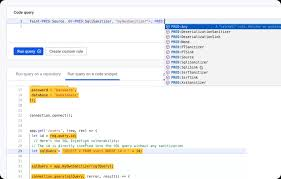
Identifies potential security risks in your code, such as SQL injection or insecure APIs.
Example: Flags unsafe database queries in a web application. Features
4. Integration with Git
Works seamlessly with GitHub, GitLab, and Bitbucket to provide real-time code analysis during commits or pull requests.
5. Coding Standards Enforcement
Ensures consistent coding style across teams by highlighting deviations from set guidelines.
6. Pull Request Analysis
DeepCode can review pull requests automatically and provide feedback before merging.
7. Team Collaboration Tools
Assign code review tasks, comment on issues, and track improvements within the platform.
8. Detailed Reporting
Generates comprehensive reports summarizing issues, improvements, and overall code quality.
3. How It Works
Step-by-Step Guide
- Sign up and connect your repository (GitHub, GitLab, or Bitbucket).
- Select the branch or project to analyze.
- Run automated scans or review pull requests.
- Review suggestions and fix flagged issues.
- Track metrics to monitor code quality over time.
Tip for beginners: Start with small repositories to get familiar with the interface and suggestions.
4. Performance & Speed

- Speed: Quick scanning for small to medium repositories; slightly slower for large projects.
- Accuracy: High detection accuracy for bugs, code smells, and vulnerabilities.
- Reliability: Stable performance with minimal downtime, thanks to cloud-based architecture. Features
Real-Life Usage Example: Teams using DeepCode reduced production bugs by 40–50% in six months.
5. Pricing & Plans
Free Plan
- Basic code analysis
- Limited repositories
- Ideal for individuals and small projects
Paid Plans
- Unlimited repositories
- Advanced security scanning
- Team collaboration features
Is it worth the money?
Yes, for professional developers and teams managing critical projects, the paid plan enhances code quality and reduces bugs efficiently.
6. Pros and Cons
✅ Pros
- Automated code reviews save time
- Detects security vulnerabilities
- Supports multiple programming languages
- Integrates with Git repositories
- Detailed reporting for teams
❌ Cons
- The free plan has limited features
- Slightly slower on very large projects
- Not designed for code generation
7. Best Use Cases
Who should use DeepCode?
- Development teams maintain multiple repositories.
- Open-source contributors
- Organizations prioritizing secure and high-quality code
Who should avoid it?
- Developers looking for real-time code generation
- Small projects where manual code reviews are sufficient
8. Comparison with Competitors
1. Codiga
- DeepCode: focuses more on security and vulnerability detection
- Codiga: emphasizes code refactoring and style enforcement
2. GitHub Copilot
- DeepCode: improves existing code quality
- Copilot: generates new code quickly
Key Difference: DeepCode is best for bug detection, vulnerability scanning, and maintaining secure code.
9. Security & Privacy
- Uses secure protocols to analyze code
- Does not store sensitive code permanently
- Complies with standard privacy policies for teams and enterprises
Tip: Use enterprise plans for confidential codebases to maximize safety.
10. Final Verdict
DeepCode is a powerful tool for maintaining high-quality, secure codebases. Its automated code reviews, security checks, and integration with Git make it ideal for teams and professional developers.
Recommendation: If your focus is on reducing bugs, ensuring code security, and improving code quality, DeepCode is highly recommended in 2026.
11. FAQs
1. What is DeepCode used for?
It’s used for automated code reviews, security scanning, and enforcing coding standards.
2. Is DeepCode free?
Yes, with a limited free plan. Paid plans unlock advanced features and unlimited repositories.
3. Which languages does DeepCode support?
Python, JavaScript, TypeScript, Java, C#, and more.
4. Can DeepCode detect security vulnerabilities?
Yes, it identifies risks like SQL injection, XSS, and unsafe API usage.
5. Does DeepCode integrate with GitHub?
Yes, it works with GitHub, GitLab, and Bitbucket for real-time analysis.
6. Is DeepCode suitable for beginners?
It’s better for intermediate or advanced developers, but beginners can use it on small projects.
7. Can DeepCode replace manual code reviews?
It complements manual reviews but doesn’t fully replace human oversight for complex logic.
8. Is DeepCode safe for private projects?
Yes, especially with enterprise plans that offer secure repository integration.
9. How fast is DeepCode on large projects?
It is fast for small to medium projects; very large projects may take longer to scan.
10. Is DeepCode worth it in 2026?
Yes, for teams or developers who want to improve code quality, reduce bugs, and ensure security.
11. What is DeepCode?
DeepCode is a platform that performs automated code reviews, detects bugs, and identifies security vulnerabilities in your code.
12. Is DeepCode free?
Yes, DeepCode offers a free plan with limited repositories and features. Paid plans unlock advanced scanning and team collaboration tools.
13. Which programming languages does DeepCode support?
It supports Python, JavaScript, TypeScript, Java, C#, and several other popular languages.
14. Can DeepCode detect security vulnerabilities?
Yes, DeepCode scans your code for security risks like SQL injection, XSS, and unsafe API usage.
15. Does DeepCode integrate with GitHub?
Yes, it integrates with GitHub, GitLab, and Bitbucket to provide real-time analysis during commits and pull requests.
16. Is DeepCode suitable for beginners?
It’s best for intermediate and advanced developers, but beginners can benefit by analyzing small projects.
17. Can DeepCode replace manual code reviews?
DeepCode complements manual reviews by automating checks, but human oversight is still needed for complex logic.
18. Is DeepCode safe for private projects?
Yes, especially when using enterprise plans that secure repository access and maintain code privacy.
19. How fast is DeepCode on large projects?
It works quickly for small to medium projects; very large repositories may take longer to analyze.
20. Is DeepCode worth using in 2026?
Yes, for teams and developers focused on code quality, security, and reducing production errors, DeepCode is a valuable tool.
Conclusion
DeepCode is a reliable tool for detecting bugs, vulnerabilities, and enforcing coding standards. It integrates seamlessly with Git repositories, helping teams maintain secure, high-quality code efficiently. Features
For professional developers and teams in 2026, DeepCode is highly recommended as it saves time, improves code reliability, and reduces production errors. Features