In 2026, using a free VPN application has become one of the easiest ways to protect your online privacy, access geo-restricted content, and stay secure on public Wi-Fi. Whether you’re using Android, iPhone, Windows, or Mac, there are many free VPN apps available that offer strong encryption, fast connections, and user-friendly features.
However, not all free VPNs are safe. Some limit your data, while others may collect your browsing information. That’s why choosing a trusted VPN application is more important than ever. Independent reviews in 2026 consistently recommend well-established providers with transparent privacy policies over unknown free apps.
Application VPN In this guide, we’ll explore the best free VPN applications in 2026, compare their features, highlight their pros and cons, and help you choose the right option for secure browsing, streaming, gaming, and everyday internet use. Whether you’re looking for unlimited free data, faster speeds, or better privacy, you’ll find a VPN app that fits your needs.
If you’ve been searching for a free VPN app that actually works without draining your wallet — or your patience — you’re in the right place. Free VPNs have come a long way since the sketchy, barely-functional tools of a few years ago. In 2026, there are real options out there that give you decent speed, solid privacy features, and enough data to get things done.
This guide covers everything: what to look for, which apps are worth your time, what to watch out for, and honest answers to the questions most people have before they download anything.
What Is a VPN App and Why Do You Need One?
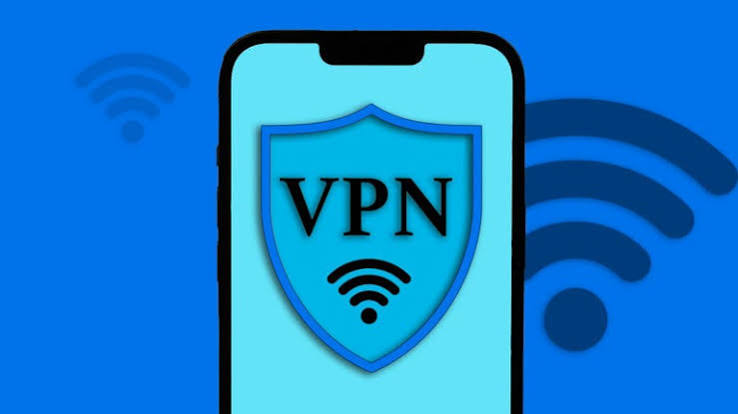
A VPN (Virtual Private Network) is an app that creates an encrypted tunnel between your device and the internet. It hides your real IP address and makes it look like you’re browsing from a different city or country.
Here’s when that matters:
- You’re on public Wi-Fi at a café or airport and don’t want someone snooping on your connection
- You want to access content that’s blocked in your region
- You’re trying to keep your ISP (internet service provider) from tracking your browsing habits
- You’re living in or traveling through a country where certain websites are restricted
In 2026, privacy concerns have only grown. More governments are pushing for data retention laws, advertisers are getting more aggressive, and public networks are still a real security risk. A good VPN app — even a free one — puts a layer of protection between you and all of that.
Can You Trust a Free VPN App?
Short answer: some of them, yes. Most of them, no.
Here’s the thing: running VPN servers costs money. Companies need to pay for bandwidth, infrastructure, and staff. When a VPN is completely free with no paid tier and no visible business model, you have to ask — who’s paying for this? In many cases, it’s you, through your data.
Some free VPN apps have been caught selling browsing data to third parties, injecting ads into web pages, or even using your device’s bandwidth as part of a peer-to-peer network without telling you.
But not all free VPNs work like this. The genuinely trustworthy ones tend to be:
- The free tier of a well-known paid VPN (like ProtonVPN Free or Windscribe)
- Open-source apps that have been independently audited
- Apps that are transparent about how they make money
Stick with names that have an actual reputation to protect, and you’ll be fine.
Application VPN Free in 2026:-Best Free VPN Apps in 2026
Here’s a practical breakdown of the options worth considering right now.
1. ProtonVPN Free
ProtonVPN is the gold standard when it comes to free VPN apps. It’s built by the same team behind ProtonMail, a privacy-first email service based in Switzerland. The free tier offers something almost no other free VPN does: unlimited data.
ProtonVPN Free is widely considered one of the best free VPN applications available in 2026. Unlike many free VPNs, it offers unlimited data, allowing you to browse, stream, and work online without worrying about monthly data limits. Developed by the team behind Proton Mail, ProtonVPN is known for its strong focus on privacy and security.
The free plan uses AES-256 encryption, supports the secure WireGuard and OpenVPN protocols, and follows a strict no-logs policy, meaning it doesn’t track or store your online activity. It also includes built-in protection against DNS leaks, helping keep your internet traffic private.
While the free version provides access to servers in a limited number of countries, it still delivers reliable speeds for everyday browsing, video streaming, social media, and online banking. There are no ads, making the user experience much cleaner than many competing free VPN apps.
What you get for free:
- Unlimited bandwidth — no data cap
- Servers in three countries (US, Netherlands, Japan on most plans)
- No ads, no logs, no data selling
- Available on Android, iOS, Windows, macOS, and Linux
What you don’t get:
- Access to all server locations (paid users get 90+ countries)
- Faster speeds during peak hours (free users are de-prioritized)
- Streaming-optimized or P2P servers
Practical example: If you’re a student who just needs a reliable VPN for everyday browsing, research, and hiding your activity from your ISP, ProtonVPN Free is genuinely the best choice. No tricks, no timers, no sudden “upgrade now” paywalls mid-session.
2. Windscribe Free
Windscribe gives you 10 GB of free data per month, which is more generous than most. If you sign up with an email address (instead of using it as a guest), you can unlock up to 15 GB per month.
Windscribe Free is one of the most feature-rich free VPN applications available in 2026. It offers up to 10 GB of free data per month if you register with an email address, making it a great option for users who browse regularly, stream occasionally, or want added online privacy without paying for a subscription.
The free version provides access to servers in multiple countries, giving you more flexibility to bypass geo-restrictions and access websites from different regions. Windscribe also includes AES-256 encryption, supports WireGuard, OpenVPN, and IKEv2 protocols, and follows a strict no-logs policy to help keep your browsing activity private.
One of its standout features is R.O.B.E.R.T., a customizable tool that blocks ads, trackers, malware, and malicious websites before they load. This improves both security and browsing speed while reducing unwanted content.
What you get for free:
- 10–15 GB monthly data
- Servers in 11+ countries
- Built-in ad and tracker blocker (R.O.B.E.R.T.)
- Works on Windows, Mac, Linux, iOS, Android, and as a browser extension
What you don’t get:
- Unlimited data
- The fastest speeds on all servers
- Port forwarding on the free plan
Practical example: If you’re someone who travels occasionally and needs a VPN for hotel Wi-Fi, 10–15 GB is enough to browse, check emails, and even stream a few videos. It’s not a daily driver for heavy use, but for periodic trips it works well.
3. Hotspot Shield Free
Hotspot Shield is one of the most downloaded VPN apps in the world. The free version gives you 500 MB per day — which adds up to roughly 15 GB a month — but limits you to one server location (usually the US).
What you get for free:
- 500 MB/day data
- US server access
- Fast speeds on its proprietary Hydra protocol
- Simple, beginner-friendly interface
What you don’t get:
- Multiple server locations
- Simultaneous connections
- Ad-free experience
Practical example: If you just need to quickly access a US-based website or service, Hotspot Shield’s free version does the job without any setup hassle. It’s very plug-and-play.
4. TunnelBear Free
TunnelBear is charming, easy to use, and actually privacy-respectable. The free plan gives you 2 GB per month, which is the smallest cap on this list — but TunnelBear publishes independent security audits every year, which is a big trust signal.
What you get for free:
- 2 GB/month data
- Servers in 47 countries
- Strong no-logs policy
- Cute bear-themed interface (yes, people love this)
What you don’t get:
- Useful amounts of data for heavy users
- Priority speeds
Practical example: If you’re trying out a VPN for the first time and just want to test it out without paying anything, TunnelBear is perfect. 2 GB is enough to test the app and see how a VPN works. Most people then move to a paid plan or a more generous free option.
5. hide.me Free
hide.me is a Malaysia-based VPN with a free tier that gives you 10 GB per month and access to five server locations. It’s stricter about simultaneous connections, but the free plan is clean — no logs, no ads.
What you get for free:
- 10 GB/month data
- 5 server locations
- Strict no-logs policy
- One device at a time
What you don’t get:
- Multiple device support
- Streaming servers
Practical example: hide.me works well for someone who uses only one device and needs a reliable free VPN for browsing. The server locations cover Europe and North America well, so it’s a solid choice if you’re in either region.
Pros and Cons of Using a Free VPN App
Pros
Zero cost. The obvious one. You don’t need a credit card or a subscription to get started.
Privacy on public networks. Even a basic free VPN will encrypt your traffic on public Wi-Fi, which is where most attacks happen.
Bypass basic geo-restrictions. Many free VPNs can help you access websites blocked in your region — especially if you just need to get into a news site or a service that’s restricted in your country.
Low commitment. You can try multiple apps, see what works on your device, and switch without losing anything.
Great for light users. If you only need a VPN occasionally — while traveling, on public Wi-Fi a few times a month — free plans are genuinely sufficient.
Cons
Data caps. Most free VPNs limit you to 500 MB to 15 GB per month. That sounds like a lot until you stream one video or update a few apps.
Slower speeds. Free users are almost always deprioritized. During peak hours, you might notice significant slowdowns.
Limited server locations. You might only get access to 1–5 countries, which means you can’t always get the location you need.
Some apps are outright risky. Low-quality free VPN apps — especially ones from unknown developers on third-party app stores — can be more dangerous than using no VPN at all.
Not great for streaming. Netflix, Disney+, and similar platforms actively block VPN traffic. Free VPN servers are usually the first to get flagged and blocked.
One device at a time. Most free plans only let you connect one device, which doesn’t work for households with multiple gadgets.
What to Look For Before You Download
Not every app that calls itself a “free VPN” deserves to be on your phone. Here’s a quick checklist:
Check the privacy policy. Look for the words “no-logs policy” and verify that it’s been audited. A privacy policy that says they collect “anonymous usage data” is a yellow flag.
Look for the business model. If the app is completely free with no paid version and no ads visible, ask yourself how they’re making money.
Avoid unknown developers. Stick with apps that have thousands of reviews, a recognizable company name, and a track record you can Google.
Check permissions. A VPN app needs network access, obviously. But if it’s asking for your contacts, location, or camera — that’s a red flag.
Read recent reviews. Not just the star rating, but actual recent reviews on the App Store. Look for patterns: “stopped working,” “keeps crashing,” “suddenly full of ads” are warning signs.
Free VPN vs Paid VPN: When Should You Upgrade?
Free VPNs are fine for casual, occasional use. But there are situations where paying makes more sense:
- You stream content regularly. Paid VPNs are much better at bypassing streaming geo-blocks.
- You need fast speeds. If you’re working remotely or on video calls, free plan slowdowns are frustrating.
- You need to connect multiple devices. Phones, laptops, tablets — a paid plan usually covers 5–10 devices at once.
- You’re in a high-censorship country. Free VPN servers get blocked faster. Paid plans have obfuscation tools designed specifically for this.
- Privacy is critical to your work. Journalists, activists, or anyone handling sensitive information should not rely on a free tier.
Most good paid VPNs cost $3–$5 per month when billed annually. If you use a VPN daily, that’s easy to justify.
How to Set Up a Free VPN App (Step by Step)
Using ProtonVPN Free as the example:
- Go to protonvpn.com and click “Get Free VPN”
- Create a free Proton account (just an email and password)
- Download the app for your device (Android, iOS, Windows, or macOS)
- Log in with your Proton account
- Tap or click “Quick Connect” to connect to the fastest free server available
- Done — your traffic is now encrypted
That’s it. No payment info needed, no complex settings. Most good free VPN apps are this straightforward to set up.
FAQs About Free VPN Apps in 2026
Is using a free VPN legal?
Yes, in most countries. VPNs are legal tools used by businesses and individuals worldwide. However, a few countries — like China, Russia, and Iran — restrict or ban VPN use. Always check local laws if you’re unsure.
Will a free VPN slow down my internet?
Almost certainly yes, to some degree. Encryption and rerouting traffic through a server adds latency. On free plans, it tends to be more noticeable because servers are shared among more users. That said, ProtonVPN Free and Windscribe are generally fast enough for regular browsing.
Can I use a free VPN to watch Netflix?
It’s hit or miss. Some free VPN servers can get past Netflix’s geo-blocks, but most get flagged and blocked quickly. If streaming is your main reason for wanting a VPN, a paid plan is the more reliable choice.
Is ProtonVPN really free forever?
Yes. ProtonVPN’s free tier doesn’t expire. There’s no trial period or hidden countdown. You can use it indefinitely, though you’ll always be offered the option to upgrade.
Do free VPNs work on mobile?
Yes, all of the apps mentioned in this article are available for both Android and iOS. Mobile apps are usually just as capable as their desktop versions on the free tier.
What’s the difference between a VPN app and a VPN browser extension?
A VPN app protects your entire device — all apps and traffic. A browser extension only protects what happens inside that browser. For full protection, always use the app, not just a browser extension.
Can I use a free VPN on a public school or office network?
Technically yes, but your school or employer may have policies against it. Some networks also block VPN traffic. Check your organization’s policy before using one on a managed network.
How many devices can I use with a free VPN?
Most free plans allow one simultaneous connection. If you need to protect multiple devices at once, you’ll usually need a paid plan.
Conclsion
There’s no shortage of free VPN apps in 2026, but only a handful of them are actually worth installing. If you want reliability and privacy without paying a rupee, ProtonVPN Free is the one to start with — unlimited data and a genuine no-logs policy make it a standout. If you use a VPN more selectively and want some extra features, Windscribe is an excellent second choice.
Avoid anything from an unknown developer, read what the app is actually asking for before you install it, and stay realistic about what a free plan can do. Used wisely, a free VPN is a genuinely useful tool — not just a watered-down placeholder for a paid subscription.