If you use your phone for banking, shopping, browsing, or connecting to random Wi-Fi networks at cafes and airports, you have probably come across the term “VPN” more than once. But what exactly is a VPN for mobile, and do you actually need one? This guide breaks it down in plain language, with real examples, honest pros and cons, and answers to the questions people ask most.
A VPN (Virtual Private Network) for mobile is an app that encrypts your internet connection on smartphones and tablets, helping protect your online privacy and security. Whether you’re using Android or iPhone, a mobile VPN creates a secure tunnel between your device and the internet, making it much harder for hackers, internet service providers (ISPs), advertisers, or other third parties to monitor your online activity.
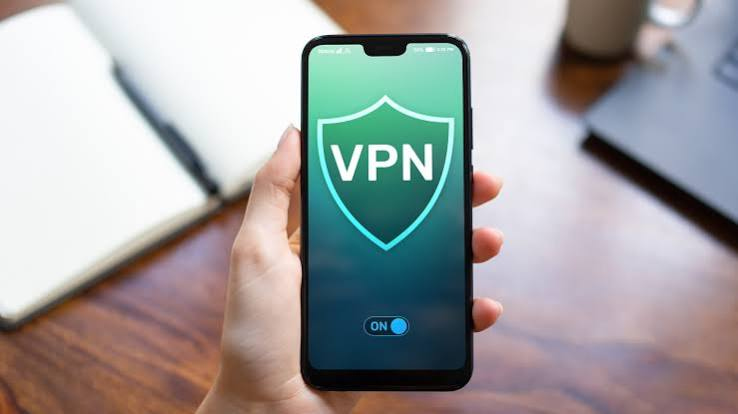
What is a VPN for Mobile? A mobile VPN is especially useful when connecting to public Wi-Fi networks in places like airports, hotels, cafés, or shopping malls, where unsecured connections can expose your personal data. By encrypting your traffic, a VPN helps safeguard sensitive information such as passwords, banking details, emails, and private messages.
In addition to improving security, mobile VPNs let you connect through servers in different countries. This can help you access region-restricted websites and streaming services, use apps that may be unavailable in your location, and maintain greater privacy while browsing.
Most leading mobile VPN apps are easy to install and use, offering features such as one-tap connections, automatic protection on untrusted Wi-Fi, kill switches, split tunneling, and support for fast protocols like WireGuard. Whether you’re browsing, streaming, gaming, or working remotely, a reliable mobile VPN can help keep your connection private, secure, and more flexible.
- Check now-What is a VPN for mobile in 2026?
What is a VPN for Mobile?
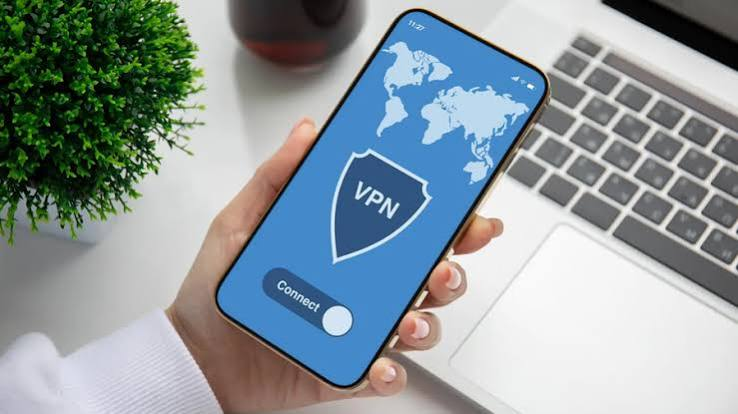
A VPN, or Virtual Private Network, is an app that creates a secure, encrypted tunnel between your phone and the internet. Instead of your data traveling openly where anyone on the same network could potentially peek at it, a mobile VPN wraps that data in a layer of encryption and routes it through a private server before it reaches its destination.
Think of it like sending a letter in a locked box instead of a postcard. Anyone who intercepts a postcard can read it instantly. A locked box, on the other hand, keeps the contents hidden unless someone has the key.
On mobile devices specifically, a VPN works a little differently than it does on a laptop. Your phone is constantly switching between networks — home Wi-Fi, office Wi-Fi, mobile data, public hotspots at a coffee shop or airport. A mobile VPN is built to handle these switches smoothly, keeping your connection protected no matter which network you hop onto.
How Does a Mobile VPN Actually Work?
Here’s the simple version of what happens when you turn on a VPN app on your phone:
- You open the VPN app and tap connect.
- The app creates an encrypted tunnel between your phone and a VPN server (this could be located in your own country or another one, depending on what you choose).
- All your internet traffic — browsing, app data, messages — now travels through this tunnel instead of going directly out to the open internet.
- Websites and apps see the VPN server’s IP address, not your phone’s real IP address or location.
So if you’re sitting in Mumbai and connect to a VPN server in Singapore, any website you visit will think you’re browsing from Singapore. This is why VPNs are often used to access content that’s normally restricted to certain countries, along with their core job of protecting your data.
Why People Actually Use VPNs on Their Phones
Let’s get practical. Here are real situations where a mobile VPN makes a difference.
Example 1: Using Public Wi-Fi at a Café
You’re at a coffee shop, connected to the free Wi-Fi, and you decide to check your bank balance. Public Wi-Fi networks are often unsecured, which means someone else on that same network — with the right tools — could potentially intercept your data. With a VPN running, your banking session stays encrypted, so even if someone is snooping around on the network, they can’t make sense of what you’re sending or receiving.
Example 2: Traveling Abroad
Say you’re traveling to a country where certain apps or websites you rely on daily are blocked or restricted. A VPN lets you connect through a server back home or in another region, so you can keep using the apps and services you’re used to without interruption.
Example 3: Avoiding Price Discrimination
Some travel booking sites and shopping platforms show different prices depending on your location. A VPN can help you compare prices across regions, which occasionally reveals better deals on flights, hotels, or subscriptions.
Example 4: Keeping Your ISP From Tracking Everything
Your internet provider can usually see every site you visit, even if the content itself is encrypted through HTTPS. A VPN hides this browsing pattern from your ISP, adding an extra layer of privacy to your daily mobile use.
Example 5: Streaming While Traveling
If you’ve paid for a streaming subscription in your home country and travel somewhere that restricts your usual content library, a VPN can let you connect back to a server in your home country and watch the shows you normally would.
Types of Mobile VPNs
Not all mobile VPNs work the same way. Here’s a quick breakdown:
App-based VPNs — These are the most common. You download an app from the Play Store or App Store, sign in, and tap a button to connect. Simple and beginner-friendly.
App-based VPNs are the most common type of mobile VPN and are designed to protect your internet connection with just a few taps. After installing the VPN app on your Android or iPhone, you can connect to a secure server and encrypt all internet traffic from your device.
These apps typically include features such as one-tap connection, automatic Wi-Fi protection, kill switch, split tunneling, and support for fast VPN protocols like WireGuard and OpenVPN. Most app-based VPNs also allow you to choose server locations in multiple countries, helping improve privacy, secure your data on public Wi-Fi, and access region-restricted websites and online services.
Built-in VPN protocols — Some phones, particularly certain Android and iPhone models, have VPN configuration options built into their settings. These usually require you to manually input server details from a provider.
Built-in VPN protocols are VPN connection methods that are already supported by a device’s operating system, allowing users to connect to a VPN server without installing a dedicated VPN app. Android, iPhone, Windows, and macOS support protocols such as IKEv2/IPSec, L2TP/IPSec, and, in some cases, WireGuard through system integration or configuration profiles.
Users simply enter the server address, username, password, and any required security certificates in the device’s VPN settings. Built-in VPNs are commonly used by businesses, schools, and organizations to provide secure remote access to internal networks while maintaining encrypted internet connections.
Business or enterprise VPNs — Many companies set up VPNs so employees can securely access internal systems and files from their phones while working remotely or traveling.
Business or enterprise VPNs are designed to provide employees with secure access to company networks and resources from anywhere. They encrypt internet traffic and authenticate users before allowing access to internal systems, helping protect sensitive business data from cyber threats. These VPNs are commonly used by remote workers, hybrid teams, and organizations with multiple office locations.
Enterprise VPN solutions often include centralized management, multi-factor authentication (MFA), device compliance checks, and user access controls. Popular enterprise VPN platforms also integrate with identity management systems, making it easier for IT administrators to manage secure connections while maintaining productivity and regulatory compliance.
Free browser-based VPN extensions — Some browsers on mobile offer limited VPN-like features, though these often only protect browser traffic, not the entire phone.
Free browser-based VPN extensions are lightweight add-ons for browsers such as Chrome, Edge, and Firefox that encrypt traffic generated within the browser. They are quick to install and are useful for protecting web browsing sessions, accessing region-restricted websites, and adding an extra layer of privacy while online.
Unlike full VPN apps, browser extensions typically do not protect traffic from other applications on your device, such as email clients or messaging apps. Many free extensions also have limitations, including fewer server locations, lower data allowances, or slower speeds. They are best suited for casual browsing rather than comprehensive, device-wide online security.
Pros of Using a VPN on Mobile
1. Better privacy on public networks. This is the biggest one. Free Wi-Fi at malls, airports, hotels, and cafes is convenient but risky. A VPN closes that gap.
2. Hides your real location.n Websites, advertisers, and apps often use your IP address to guess your location. A VPN masks this, giving you more control over what gets shared.
3. Access to region-locked conte::nt Whether it’s a show unavailable in your country or a website with regional restrictions, a VPN can often get around these blocks.
4. Protection from ISP tracking: king Your internet provider won’t have as clear a picture of your browsing habits.
5. Safer online banking/shopping:g Since financial data is sensitive, the added encryption layer gives peace of mind, especially on networks you don’t fully trust.
6. Useful for frequent travelers If you travel often for work or leisure, a VPN keeps your digital habits consistent no matter which country you’re in.
Cons of Using a VPN on Mobile
1. Slower internet speeds: ds Because your data is being routed through an extra server and encrypted along the way, you might notice a dip in speed, especially with free VPN services.
2. Battery drain: Running a VPN in the background uses extra processing power, which can reduce your phone’s battery life somewhat.
3. Not all VPNs are trustworthy. Free VPN apps sometimes log and sell user data, which defeats the entire purpose of using one. It’s worth being selective and researching a provider’s privacy policy before committing.
4. Some apps and services block VPN traffic.c Certain banking apps, streaming platforms, and government portals actively detect and block VPN connections, which can be frustrating if you rely on those services often.
5. Doesn’t make you completely anonymous. A VPN improves privacy, but it isn’t a magic invisibility cloak. Your VPN provider can still, in theory, see your activity unless they have a strict no-logs policy.
6. Monthly or yearly costs: Reliable, well-reviewed VPN services usually come with a subscription fee. Free options exist but often come with trade-offs in speed, data limits, or privacy practices.
How to Choose a VPN for Your Phone
If you’re picking a mobile VPN, here are a few practical things worth checking before you commit:
- No-logs policy — Look for VPNs that clearly state they don’t store your browsing activity.
- Server locations — More server options generally mean better speed and more flexibility for accessing region-specific content.
- Speed and reliability — Read recent user reviews rather than relying only on marketing claims.
- Compatibility — Make sure the app works smoothly on your specific phone (Android or iPhone) and supports the number of devices you need.
- Kill switch feature — This automatically cuts your internet connection if the VPN drops, so your data doesn’t accidentally leak out unprotected.
- Customer support — Especially useful if you ever run into connection issues or need setup help.
Setting Up a VPN on Your Phone (General Steps)
While the exact steps vary slightly by provider, the general process looks like this:
- Download the VPN app from the official Play Store or App Store listing.
- Create an account and log in.
- Choose a server location (or let the app pick the fastest one automatically).
- Tap the connect button.
- Confirm the permission prompt (your phone will ask if you trust this app to set up a VPN connection).
- Once connected, you’ll usually see a small VPN icon in your phone’s status bar confirming it’s active.
That’s it. Most apps are designed to be beginner-friendly, so you don’t need any technical background to get started.
Common Myths About Mobile VPNs
Myth: A VPN makes you 100% anonymous online. Reality: It significantly improves privacy, but websites can still track you through cookies, account logins, and browser fingerprinting.
Myth: VPNs are only for tech-savvy people. Reality: Most modern VPN apps are as simple to use as any other app — one tap to connect.
Myth: Free VPNs are just as good as paid ones. Reality: Free VPNs often come with limitations like data caps, slower speeds, more ads, and in some cases, questionable data practices.
Myth: VPNs are illegal. Reality: In most countries, VPNs are completely legal to use. However, a handful of countries do restrict or regulate their use, so it’s worth checking local laws if you’re traveling somewhere with strict internet regulations.
Frequently Asked Questions
Is a VPN necessary for everyday mobile use?
It depends on your habits. If you frequently use public Wi-Fi, travel often, or care about limiting how much your ISP and apps can track you, a VPN is genuinely useful. For someone who mostly uses home Wi-Fi and mobile data with trusted apps, it’s less critical but still adds a layer of privacy.
Does a VPN slow down my phone?
It can slightly reduce your internet speed since your data is being encrypted and routed through an extra server. The difference is usually minor with a good-quality VPN, but noticeable with poor or overloaded free servers.
Can I use a VPN on both Android and iPhone?
Yes, most VPN providers offer apps for both Android and iOS, and setup is very similar across both platforms.
Will a VPN protect me from viruses and malware?
Not directly. A VPN protects your data in transit, but it doesn’t scan for viruses or malicious files. You’d still want separate security software or safe browsing habits for that.
Can I use a free VPN safely?
Some free VPNs are fine for light, occasional use, but it’s worth being cautious. Many free services make money by collecting and selling user data, which goes against the whole point of using a VPN in the first place. Reading reviews and privacy policies helps you avoid the sketchier options.
Does a VPN drain my phone’s battery a lot?
There’s some extra battery use since the app runs continuously in the background and handles encryption, but for most modern phones, the difference is fairly small during normal use.
Can I use a VPN to watch shows from another country?
In many cases, yes. Connecting to a server in the country where the content is available often works, though some streaming platforms have gotten better at detecting and blocking VPN traffic.
Do I need a VPN if I only use mobile data, not Wi-Fi?
Mobile data is generally more secure than public Wi-Fi since it’s harder to intercept, but a VPN still adds privacy benefits by hiding your browsing activity from your carrier and masking your location.
What’s the difference between a VPN and incognito mode?
Incognito mode only stops your browser from saving history and cookies locally on your device. It does nothing to hide your activity from your ISP, your network, or the websites you visit. A VPN encrypts and reroutes your actual internet traffic, offering a completely different (and stronger) type of privacy protection.
Conclsion
A VPN for mobile isn’t some complicated tech tool reserved for IT professionals — it’s become a practical part of everyday digital life for a lot of people. Whether you’re protecting your banking details on public Wi-Fi, keeping your browsing private from your ISP, or just wanting more control over your online footprint while traveling, a good mobile VPN covers a lot of ground with very little effort on your part.
That said, it’s not a one-size-fits-all solution. Weigh the pros and cons based on your own habits, pick a provider with a solid reputation and clear privacy policy, and you’ll get most of the benefit without much of the downside.