If you’re using an Android phone and looking for a free VPN, you’re not alone. Millions of people want to protect their privacy, access blocked content, or secure their connection on public Wi-Fi — without paying a monthly fee.
The good news? There are some genuinely useful free VPN apps for Android in 2026. The bad news? Most of them have serious limitations — data caps, slow speeds, or sketchy privacy policies.
This guide breaks down the best free VPN options for Android, what each is actually good for, and what to watch out for before hitting “Install.”
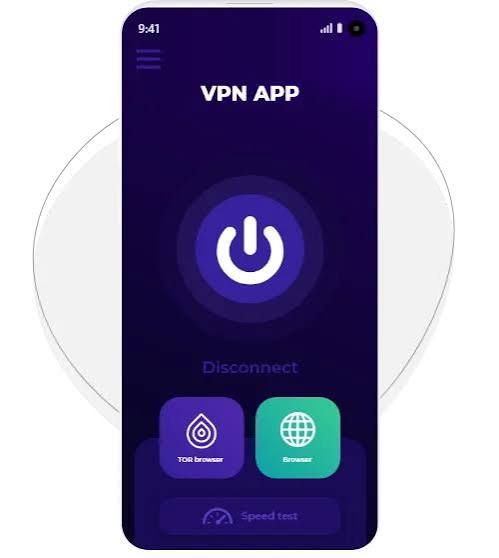
As online privacy becomes increasingly important, many Android users are turning to VPNs (Virtual Private Networks) to protect their personal data, secure their internet connections, and access content from around the world. Whether you’re using public Wi-Fi, browsing sensitive websites, or simply looking to enhance your online privacy, a reliable VPN can provide an extra layer of security.
Best Free VPN Software for Android in 2026. The good news is that you don’t always have to pay for quality protection. Several free VPN apps for Android now offer strong encryption, user-friendly interfaces, and access to servers in multiple countries. While free VPNs often come with limitations such as data caps, fewer server locations, or reduced speeds, the best providers still deliver excellent security and performance for everyday use.
Choosing the right free VPN software can be challenging because not all services are equally trustworthy. Some free VPNs may collect user data, display excessive ads, or provide weak security features. That’s why it’s important to select a provider with a strong reputation, transparent privacy policies, and reliable Android support.
In this guide, we’ll review the best free VPN software for Android in 2026, comparing their features, security, performance, and limitations. Whether you need a VPN for safer browsing, streaming, gaming, or accessing geo-restricted content, you’ll find options that fit your needs without costing a penny.
Why Use a VPN on Android?
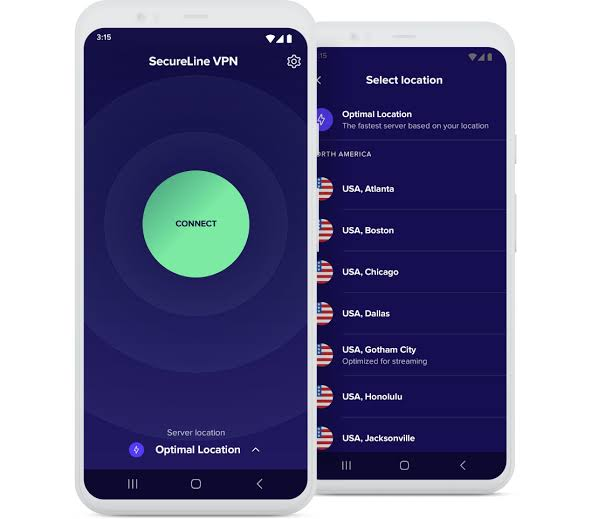
Before jumping into the list, it helps to understand what a VPN actually does on your phone.
When you connect to a VPN, your internet traffic gets routed through a secure server in another location. This hides your real IP address and encrypts your data. On Android, this matters more than most people think:
- Public Wi-Fi at cafes, airports, or malls — these networks are often unencrypted, and anyone on the same network can potentially snoop on your traffic.
- ISP tracking — your mobile carrier or home internet provider can log which websites you visit.
- Geo-restricted content — some apps and streaming services show different content based on your country.
- App-level tracking — certain apps collect your IP address to build behavioral profiles.
A VPN won’t solve every privacy problem, but it adds a meaningful layer of protection for everyday use.
What to Look for in a Free Android VPN
Free VPNs are never truly “free” — they have to make money somehow. The question is whether the trade-off is acceptable. Here’s what to check:
Data limits — Most free VPNs cap your usage. Some give you 500MB/month (barely enough), while others offer 10GB or even unlimited data.
Server locations — Fewer servers mean more congestion and less flexibility for unblocking content.
Logging policy — Does the VPN keep records of what you do online? Look for a verified no-logs policy.
Connection speed — Free servers are often overloaded. Real-world speed matters more than the number on the specs sheet.
Ads and upsells — Some free VPNs bombard you with upgrade prompts or serve you ads inside the app.
Security protocols — Look for WireGuard or OpenVPN support. Avoid anything using outdated PPTP.
Best Free VPN Apps for Android in 2026: Best Free VPN Software for Android in 2026
1. Proton VPN Free — Best Overall Free VPN
Proton VPN‘s free plan is the standout option for Android users in 2026. It’s one of the very few free VPNs that offer unlimited data with no cap whatsoever. That alone puts it in a different league.
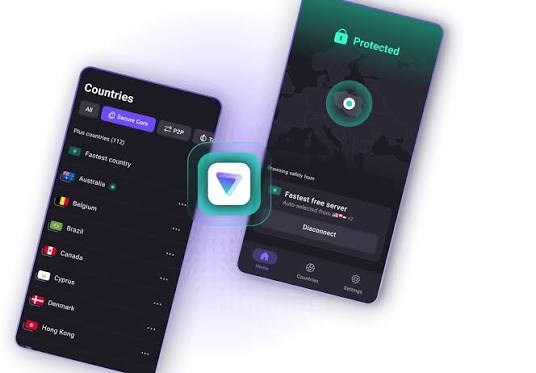
What you get on the free plan:
- Unlimited bandwidth
- Servers in 3 countries (US, Netherlands, Japan)
- One device connection
- No ads
- No logs policy (independently audited)
What it’s actually like to use: The app is clean and easy to navigate. You tap “Connect”, and it picks the best available server automatically. Speeds are slower than the paid tier — especially during peak hours — but for browsing, checking email, and light streaming, it holds up well.
Practical example: If you’re traveling and need to access Indian banking apps while abroad, or want to browse securely on hotel Wi-Fi, Proton VPN Free handles this reliably without asking you to pay anything.
Pros:
- Truly unlimited data
- No ads
- Swiss-based, strong privacy laws
- Open-source and audited
Cons:
- Only 3 server locations on the free plan
- Slower speeds compared to paid alternatives
- No access to streaming-optimized servers
2. Windscribe Free — Best for Flexibility
Windscribe gives free users 10GB of data per month, which is enough for casual daily use. But what makes it stand out is the number of server locations available on the free tier — over 10 countries, which is unusually generous.
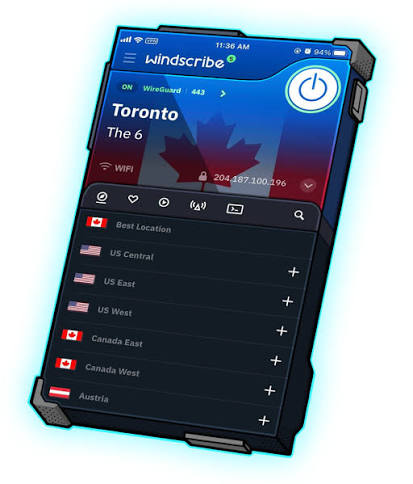
What you get on the free plan:
- 10GB/month data
- Servers in 10+ countries
- Built-in ad and tracker blocker (R.O.B.E.R.T.)
- No activity logs
What it’s actually like to use: Windscribe feels like a proper VPN, not a stripped-down freebie. The ad blocker built into the app means you’re blocking trackers at the network level — useful on Android, where many apps phone home constantly.
Practical example: If you use your Android phone mainly for social media, messaging, and occasional video calls, 10GB should last you through the month. Windscribe works well for this without constantly nagging you to upgrade.
Pros:
- Generous data allowance
- More server locations than most free VPNs
- Built-in ad/tracker blocker
- Firewall and split tunneling are available
Cons:
- 10GB can run out quickly if you stream video
- Customer support is limited on the free plan
- Some servers are congested during busy hours
3. Hotspot Shield Free — Best for Speed
If speed is your priority and you can live with a 500MB daily data cap, Hotspot Shield’s free Android app is worth considering. It uses its proprietary Hydra protocol, which is optimized for speed on mobile connections.
Hotspot Shield is widely recognized as one of the fastest free VPN services available for Android users. While many free VPNs reduce connection speeds due to server congestion and bandwidth limitations, Hotspot Shield focuses on delivering a smooth and responsive browsing experience. This makes it a strong choice for users who want quick access to websites, social media platforms, and online services without significant slowdowns.
One of the key reasons behind Hotspot Shield’s performance is its proprietary VPN protocol, designed to optimize speed and reduce latency. As a result, users can enjoy faster page loading times, smoother video streaming, and more stable connections compared to many competing free VPN providers. For everyday activities such as web browsing, checking emails, and watching online content, the service performs reliably.
The Android app is easy to install and use, making it suitable for beginners. Users can connect to the VPN with a single tap, and the app automatically secures internet traffic using strong encryption. This helps protect personal information when using public Wi-Fi networks in cafes, airports, hotels, and other public locations.
Hotspot Shield Free also includes important security features such as encrypted connections and privacy protections that help shield user activity from hackers and unwanted tracking. While the free plan has limitations compared to the premium version, it still offers a dependable level of protection for casual users.
What you get on the free plan:
- 500MB per day (roughly 15GB/month)
- US server only
- One device
- Moderate ad display in app
What it’s actually like to use: The connection is noticeably fast compared to most free VPNs. For short sessions — checking something quickly on public Wi-Fi, accessing a region-locked site briefly — it performs well. The daily reset of 500MB is more forgiving than a monthly cap because you don’t burn through your limit early in the month and then have nothing left.
Practical example: You’re at a shopping mall using free Wi-Fi and want to quickly check your bank account or make a payment. Hotspot Shield gets you connected fast and keeps the session secure without much setup.
Pros:
- Fast connection speeds
- Daily data reset (500MB/day is usable)
- Simple, one-tap interface
- Trusted brand with a long track record
Cons:
- Only the US server is on the free plan
- Shows ads in the app
- Not ideal for long sessions or streaming
- Logged some user data in the past (policy has since been updated)
4. TunnelBear Free — Best for Beginners
TunnelBear is probably the most beginner-friendly VPN app on Android. The interface uses a map-based design with animated bears tunneling to different countries — it sounds gimmicky, but actually makes it very intuitive for new users.
What you get on the free plan:
- 2GB/month data (can be expanded via social sharing)
- Servers in 47 countries
- One device
- No logs (audited annually)
What it’s actually like to use: If you’ve never used a VPN before, TunnelBear makes the learning curve almost nonexistent. You pick a country on the map, the bear animates, and you’re connected. The monthly audit reports are publicly available, which adds credibility.
Practical example: A student using Android who wants to access research papers or academic tools that are geo-restricted can use TunnelBear to quickly switch their apparent location without any technical knowledge.
Pros:
- Extremely easy to use
- Servers in 47 countries, seven other free plans
- Regular independent audits
- No logs policy
Cons:
- Only 2GB/month — the lowest on this list
- Not suitable for streaming or heavy use
- No split tunneling on the free tier
5. Atlas VPN Free — Best for Privacy on a Budget
Atlas VPN offers a free plan with unlimited data and a focus on privacy. It’s backed by NordVPN’s parent company, which adds some credibility. The free servers are limited to 3 locations (US East, US West, Netherlands), but the unlimited data makes it a viable everyday option.
What you get on the free plan:
- Unlimited data
- 3 server locations
- WireGuard protocol
- No logs
What it’s actually like to use: Atlas VPN is straightforward and uncluttered. WireGuard support on the free plan is a meaningful perk — it’s the fastest modern VPN protocol and works well on Android’s mobile connections. Speeds can dip during peak times, but for browsing and messaging, it’s acceptable.
Practical example: If you work from home and frequently switch between mobile data and home Wi-Fi, Atlas VPN’s auto-connect feature keeps your connection secure without you having to manually reconnect.
Pros:
- Unlimited data
- WireGuard protocol (fast and modern)
- Clean, minimal interface
- No ads
Cons:
- Limited to 3 server locations
- No access to streaming servers
- Relatively new compared to other options on this list
Free VPN vs. Paid VPN: Is It Worth Upgrading?
Free VPNs are good for occasional use — securing a session on public Wi-Fi, bypassing a geo-block once in a while, or testing before committing to a paid plan. But they have real limits:
| Feature | Free VPN | Paid VPN |
|---|---|---|
| Data | Limited or slow | Unlimited + fast |
| Servers | 3–10 locations | 50–100+ countries |
| Streaming | Usually blocked | Netflix, Hotstar, etc. |
| Speed | Moderate | High |
| Support | Community only | 24/7 live chat |
| Device connections | 1 | 5–10 |
If you regularly stream content, work remotely, or travel frequently, a paid VPN at ₹200–₹400/month is worth the investment. If you just need basic protection now and then, the free options above are more than adequate.
VPNs to Avoid on Android
Not every free VPN is trustworthy. A few red flags to watch for:
- No clear privacy policy — If it’s vague about data collection, that’s a problem.
- Requests unnecessary permissions — A VPN doesn’t need access to your contacts, camera, or location.
- Extremely fast speed claims — Real-world VPN speeds are always slower than your base connection. If an app promises “10x faster browsing,” that’s not how VPNs work.
- Unknown developers — Stick with apps from established companies. Avoid VPN apps with very few reviews or no verifiable company behind them.
Some past examples of problematic free VPNs include those owned by companies in countries with poor privacy laws or those found to have sold user data to advertisers. Hola VPN, for instance, was found to route user traffic through other users’ connections — a significant privacy risk.
Tips for Getting the Most Out of a Free VPN on Android
Use Wi-Fi instead of mobile data when connected to a VPN — VPN encryption uses slightly more data, which matters when you’re on a limited mobile plan.
Enable the kill switch if available — This disconnects your internet if the VPN drops, preventing accidental exposure of your real IP.
Don’t log in to personal accounts just because you’re on a VPN — A VPN hides your IP, but doesn’t make you anonymous from services where you’re logged in.
Clear your browser cache before using the VPN — Cached cookies can reveal your real location or identity even while on a VPN.
Use split tunneling if the app supports it — This lets you choose which apps go through the VPN and which don’t, helping you manage your data limit.
FAQs
Q: Is it safe to use a free VPN on Android?
It depends on the provider. Free VPNs from reputable companies like Proton VPN or Windscribe are safe. Many lesser-known free VPNs, however, have been caught logging data or serving intrusive ads. Stick with well-known names that have published privacy audits.
Q: Can a free VPN unblock Netflix or other streaming apps?
Most free VPNs cannot reliably unblock Netflix, Hotstar, or Amazon Prime. Streaming platforms actively block VPN servers, and free tiers rarely get updated server lists to work around these blocks. You’d need a paid plan for consistent streaming access.
Q: Will a free VPN slow down my internet speed on Android?
Yes, to some extent. All VPNs add some overhead because your data is being encrypted and rerouted. Free VPNs tend to have more congestion because many users share fewer servers. Proton VPN and Atlas VPN are among the better-performing free options in terms of speed.
Q: Can I use a free VPN for banking apps on Android?
You can, but be cautious. Some banking apps flag VPN connections and may block access or trigger security checks. If your bank app doesn’t work while on a VPN, turn the VPN off for that session and reconnect afterward.
Q: How much data does a VPN use on Android?
A VPN adds roughly 5–15% overhead to your data usage because of encryption. So if you browse 1GB of content, you’ll actually use around 1.05–1.15GB on your data plan. This is minor for most users,s but worth knowing if you’re on a very tight mobile data plan.
Q: Are free VPNs legal in India?
Yes, using a VPN is legal in India. However, VPN providers must comply with CERT-In guidelines that require them to retain user data for 5 years and share it with authorities if requested. This is one reason privacy-conscious users prefer offshore providers like Proton VPN (Switzerland-based), which are not subject to Indian jurisdiction.
Q: Can I use more than one free VPN at once on Android?
You can install multiple VPN apps, but you can only run one at a time. Some users install two or three free VPNs and rotate between them to stretch their combined data limits — for example, using Windscribe early in the month and switching to Proton VPN when the limit runs out.
Conclsion
The best free VPN for Android in 2026 depends on what you actually need it for.
- For everyday use with no data worries — go with Proton VPN Free.
- For more server flexibility — try Windscribe Free.
- For fast, short sessions, Hotspot Shield Free works well.
- If you’re brand new to VPNs, TunnelBear is the easiest to start with.
- For WireGuard speed on a free plan, TLS VPN is a solid pick.
None of these will replace a full paid VPN if you need it for streaming, heavy work use, or travel. But for securing your connection on public Wi-Fi, occasional geo-unblocking, and basic privacy on Android, these five options are the most trustworthy free choices available right now.