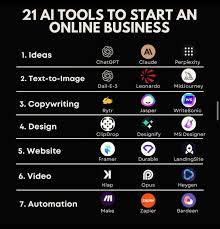
Coming up with fresh content ideas every single week is exhausting. Whether you’re a blogger, a social media manager, a YouTuber, or running a business website, the pressure to constantly produce new, relevant content never stops.
That’s where content creation tools powered by smart technology come in. In 2026, there are more options than ever — and some of them are genuinely impressive. But with so many tools flooding the market, it’s hard to know which ones actually help and which ones are just hype.
This guide covers the best tools for generating content creation ideas in 2026, what each one does well, and who it’s best suited for.
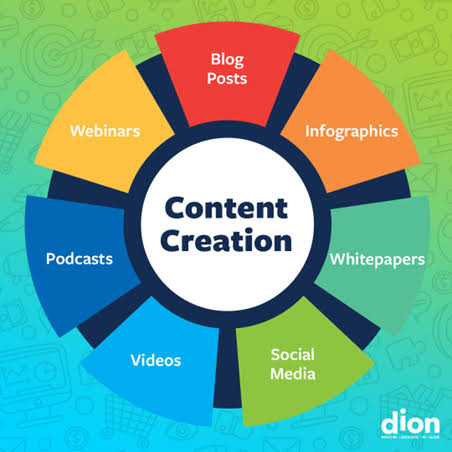
Creating fresh and engaging content consistently can be challenging, especially for bloggers, YouTubers, marketers, social media managers, and business owners. Fortunately, AI-powered content idea tools have become smarter than ever in 2026, helping creators discover trending topics, generate unique angles, and develop content strategies in minutes instead of hours.
The best AI tools for content creation ideas do more than simply suggest random topics. They analyze search trends, audience interests, competitor content, social media conversations, and keyword data to uncover opportunities that can attract more traffic and engagement. Whether you’re planning blog posts, YouTube videos, TikTok content, podcasts, newsletters, or social media campaigns, AI can help you overcome writer’s block and maintain a steady stream of ideas.
These tools are especially valuable for content creators who need to publish regularly and stay ahead of changing trends. Many platforms can generate content calendars, identify high-potential keywords, suggest viral topics, and even create detailed outlines for articles and videos.
In this guide, we’ll explore the best AI tools for content creation ideas in 2026, comparing their features, strengths, pricing, and ideal use cases. Whether you’re a beginner creator or an experienced marketer, you’ll find powerful AI solutions that can help you generate better content ideas and grow your audience faster.
Why You Need a Tool for Content Ideas
Most people don’t struggle with writing content. They struggle with deciding what to write about.
Coming up with ideas that are:
- Relevant to your audience
- Not already covered a hundred times
- Likely to rank on search engines
- Interesting enough to actually get clicks
…is a real challenge. Doing it manually means hours of scrolling through competitor blogs, Reddit threads, YouTube comment sections, and Google’s “People Also Ask” boxes.
A good content ideation tool compresses that research into minutes. It looks at search trends, audience questions, competitor gaps, and keyword data — and gives you a starting point that would take you hours to find on your own.
What to Look for in a Content Idea Tool
Before jumping into the list, here’s what separates genuinely useful tools from ones that waste your time:
Idea variety — Does it give you angles you wouldn’t have thought of yourself, or just obvious suggestions?
SEO integration — Does it connect content ideas to actual search volume and keyword difficulty?
Platform awareness — Can it suggest ideas specifically for blogs, YouTube, Instagram, LinkedIn, or wherever you publish?
Ease of use — Can you get useful output in under five minutes, or does it require a steep learning curve?
Output quality — Are the ideas specific and actionable, or vague and generic?
Best Tools for Content Creation Ideas in 2026
1. ChatGPT (OpenAI) — Best for Brainstorming at Scale
ChatGPT remains one of the most versatile tools for generating content ideas in 2026. It’s not a dedicated content marketing platform, but its ability to understand context and produce varied suggestions makes it incredibly useful for brainstorming sessions.
What it does well:
You can give it a niche, an audience, and a goal, and it’ll return dozens of content angle ideas in seconds. The real power comes from how you prompt it. Vague input gives vague output — but specific prompts unlock surprisingly useful ideas.

Practical example:
Say you run a personal finance blog targeting young working professionals in India. Instead of asking “give me blog ideas,” try: “Give me 15 blog post ideas for 25–35-year-old salaried professionals in India who want to start investing but feel overwhelmed by the options. Focus on beginner-friendly angles and avoid ideas that require existing investment knowledge.”
The output from a specific prompt like that will be far more targeted than anything a generic keyword tool would suggest.
Who it’s best for: Writers, bloggers, and content teams who want to rapidly brainstorm and then filter ideas manually.
Pros:
- Extremely fast brainstorming
- Works for any niche or platform
- Can simulate your target audience’s questions
- Free tier available (GPT-3.5)
Cons:
- Doesn’t pull real-time search data on the free plan
- Ideas need manual SEO validation
- Output quality depends heavily on how you prompt it
- Can occasionally produce generic suggestions if not guided well
2. Semrush Topic Research — Best for SEO-Driven Ideas

If you care about content that ranks on Google (and you should), Semrush’s Topic Research tool is one of the most useful in the market. It’s built specifically for content ideation tied to search data.
What it does well:
You enter a broad topic, and it breaks it down into subtopics, questions people are actually searching for, and trending angles in your niche. Each subtopic comes with search volume data, so you can immediately see which ideas are worth pursuing.
Practical example:
Enter “home workout,” and you’ll get subtopics like “home workout for beginners without equipment,” “home workout for weight loss in 30 days,” and “home workout routine for men over 40.” Each of these is a real content opportunity backed by search data, not guesswork.
Who it’s best for: SEO professionals, content marketers, and website owners focused on organic traffic growth.
Pros:
- Tied directly to real search volume data
- Shows trending topics and rising interest
- Identifies content gaps compared to competitors
- Includes “headline ideas” pulled from top-performing content
Cons:
- Paid tool (starts around $129/month)
- Overkill for casual bloggers or small creators
- The interface can feel complex for beginners
- Some suggested ideas overlap with competitor content
3. AnswerThePublic — Best for Question-Based Content
AnswerThePublic visualizes what people are actually typing into search engines when they want information about a topic. It pulls from Google’s autocomplete data and organizes results into questions, comparisons, prepositions, and related terms.

What it does well:
The visual “wheel” format shows every variation of a question around your keyword. This is gold for creating FAQ sections, YouTube video ideas, podcast episode topics, and long-form guides that actually answer real questions.
Practical example:
Search “eS, IM” and you’ll see questions like “does eSIM work on all phones,” “is eSIM better than physical SIM,” “can eSIM be hacked,” and “how does eSIM work abroad.” Each of these is a content idea hiding in plain sight — and they’re all phrased exactly the way real users search.
Who it’s best for: Bloggers, YouTube creators, and content teams who want to build content around real user questions.
Pros:
- Visual and easy to understand
- Based on actual search autocomplete data
- Great for FAQ and “how-to” content ideas
- Free tier available (limited daily searches)
Cons:
- Doesn’t show search volume on the free plan
- Limited searches per day on free version
- Best used alongside a keyword tool, not as a standalone
- Data can sometimes surface older or niche-specific queries
4. Jasper — Best for Teams That Produce Content at Volume
Jasper started as a writing tool but has evolved into a content strategy platform in 2026. Its “Campaigns” and “Templates” features make it useful not just for writing, but for planning entire content calendars.
What it does well:
Jasper can take your brand voice, your target keyword, and your audience description — and generate a batch of content ideas aligned to those parameters. For content teams producing 20–30 pieces per month, the ability to generate structured idea batches saves significant time.
Practical example:
A digital marketing agency running content for five clients can set up brand profiles for each client in Jasper, then generate weekly content idea batches tailored to each client’s niche, tone, and target audience — without starting from scratch every time.
Who it’s best for: Marketing agencies, content teams, and businesses running large-scale content operations.
Pros:
- Brand voice templates save time across projects
- Campaign planning features built in
- Integrates with Surfer SEO for keyword-optimized ideas
- Supports multiple languages
Cons:
- Expensive (starts around $39/month, team plans higher)
- Slight learning curve to set up brand profiles properly
- Ideas sometimes need heavy editing for original angles
- Not ideal for solo bloggers or beginners
5. BuzzSumo — Best for Trend-Based and Social Content Ideas
BuzzSumo is a content research tool that shows you what’s actually performing well across social media and the web right now. It’s less about keyword search and more about social engagement and trending topics.
What it does well:
You enter a topic, and BuzzSumo shows you the most shared content on that subject in the last week, month, or year — along with which platforms drove the most engagement. This tells you what angles are resonating with audiences right now, not just what people are searching for.
Practical example:
If you’re creating content around cryptocurrency for an Indian audience, BuzzSumo might show you that articles about “crypto tax rules in India 2026” are getting massive shares on LinkedIn and WhatsApp-linked platforms right now — giving you a timely topic to cover before it peaks.
Who it’s best for: Social media managers, content strategists, and anyone creating trending or news-adjacent content.
Pros:
- Shows real engagement data, not just search volume
- Great for identifying trending topics early
- Competitor content analysis included
- Useful for finding influencers and content collaborators
Cons:
- Paid tool (starts around $199/month)
- Less useful for an evergreen content strategy
- Social sharing data has declined in usefulness as platforms become more closed
- Can overwhelm with data if you’re not sure what to do with it
6. Notion AI — Best for Organizing Ideas Into a Content Plan
Notion AI isn’t primarily a content idea generator, but in 2026, it has become a genuinely useful tool for content creators who already have ideas but need help organizing and expanding them into structured plans.
What it does well:
You can dump a rough list of content ideas into Notion, and Notion AI will help you expand them into outlines, cluster related topics, suggest angles you might have missed, and organize everything into a content calendar — all inside your existing workspace.
Practical example:
You have 30 loose topic ideas you’ve collected over the past two weeks. Drop them into a Notion page, ask Notion AI to group them by theme and suggest a publishing sequence based on content funnel logic (awareness → consideration → decision), and you’ll have a rough three-month content plan in about 20 minutes.
Who it’s best for: Solo creators, bloggers, and small teams who want one tool for both ideation and planning.
Pros:
- Integrated with your existing Notion workspace
- Great for organizing and clustering ideas
- Can generate outlines and briefs from rough topics
- More affordable than dedicated content platforms
Cons:
- Not a standalone ideation tool — needs human input to work well
- Doesn’t connect to SEO or search data
- Ideas still need external validation for search potential
- Requires an existing Notion workflow to get full value
7. Perplexity — Best for Research-Backed Content Ideas
Perplexity is a search-powered research tool that has become a go-to for content creators who want ideas grounded in current, real-world information rather than static databases.
What it does well:
Unlike traditional keyword tools, Perplexity pulls live information from across the web and summarizes it with sources. This makes it excellent for finding content angles on emerging topics, identifying what questions are being asked about a niche right now, and researching before pitching a content piece.
Practical example:
If you’re writing about VPN regulations in India, Perplexity can pull together the latest CERT-In guidelines, user reactions, and expert commentary — giving you three or four distinct content angles (explainer, opinion piece, how-to guide, comparison) backed by current information, all in a single session.
Who it’s best for: Journalists, research-heavy content creators, and anyone covering fast-moving or regulatory topics.
Pros:
- Real-time information with cited sources
- Great for emerging topics not yet well-covered
- Free tier is genuinely useful
- Helps avoid outdated information in content
Cons:
- Not designed specifically for content marketing
- Doesn’t show search volume or SEO data
- Better for research than structured idea generation
- Can go deep on niche topics but misses mainstream angles
How to Build a Content Idea System Using These Tools
Using any one of these tools in isolation limits their value. Here’s a simple workflow that combines a few of them effectively:
Step 1 — Find what people are asking: Use AnswerThePublic or Perplexity to identify real questions people have about your topic.
Step 2 — Validate with search data: Run the most promising questions through Semrush or Google Keyword Planner to check search volume and competition.
Step 3 — Check what’s trending: Use BuzzSumo to see if any of these topics are gaining social traction right now.
Step 4 — Brainstorm angles: Feed your shortlist into ChatGPT with a specific audience brief to generate 10–15 angle variations per topic.
Step 5 — Organize and schedule: Drop everything into Notion AI to cluster by theme, build outlines, and sequence into a publishing calendar.
This workflow turns what used to be a full day of manual research into about 90 minutes of structured work.
FAQs
Q: Which tool is best if I’m on a tight budget?
Start with the free tiers of ChatGPT and AnswerThePublic, combined with Google’s free tools (Search Console, Keyword Planner, and Trends). This combination covers brainstorming, question research, and basic search validation without spending anything.
Q: Can these tools replace a content strategist?
No — they replace the research part of a content strategist’s job, not the judgment. Deciding which ideas to pursue, how to position them for your audience, and how they fit your broader goals still requires human thinking. These tools make you faster, not redundant.
Q: How many ideas should I generate at once?
Aim for a batch of 30–50 ideas at a time, then filter down to 10–15 that you’ll actually pursue. Having a large backlog means you’re never starting from zero when it’s time to plan next month’s content.
Q: Do these tools work for video content, not just blogs?
Yes. AnswerThePublic and ChatGPT, in particular,r work well for YouTube video ideas. BuzzSumo also shows which content formats are performing best on video platforms. The ideas translate across formats — a well-researched blog topic is usually a strong video topic too.
Q: Is there one tool that does everything?
Not really. Semrush comes closest if you’re focused on SEO, and Jasper comes closest for teams that want ideation plus writing in one place. But most serious content creators use two to three tools that work well together rather than hunting for one perfect solution.
Q: How often should I do a content ideation session?
Once a month is enough for most creators. Set aside two hours, run through your tool workflow, and build a 4–6 week backlog. This prevents the last-minute scramble for topics and gives you time to actually research and write each piece properly.
Q: Are these tools useful for regional or local content, like content targeting Indian audiences?
Yes, with some adjustment. Semrush and AnswerThePublic both support regional search data. ChatGPT can be prompted to focus on India-specific topics, regulations, or cultural references. BuzzSumo shows social sharing by region as well. Just make sure to specify your target location and audience when using any of these tools.
Conclsion
There’s no single “best” tool for content creation ideas — it depends on what you’re creating, who you’re creating it for, and how much you’re willing to spend.
Here’s a quick summary:
- For brainstorming fast: ChatGPT
- For SEO-driven ideas: Semrush Topic Research
- For real user questions: AnswerThePublic
- For content teams at scale: Jasper
- For trend-based ideas: BuzzSumo
- For organizing and planning: Notion AI
- For research-backed angles: Perplexity
Start with one or two free tools, build a simple workflow, and add paid tools only when you can see a clear return. The goal isn’t to use every tool — it’s to stop staring at a blank page and wondering what to write next.