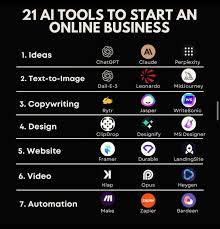
Design used to require years of training, expensive software, and a steep learning curve. That’s changed a lot. In 2026, smart design tools have made it possible for beginners, freelancers, and small business owners to create professional-looking graphics, logos, social media posts, and even full websites without needing a design degree.
This guide covers the best design tools worth using this year, with real-world examples, honest pros and cons, and answers to the questions people ask most before picking a tool.

AI-powered design tools are transforming the way individuals, businesses, and creative professionals create visual content. In 2026, these platforms can generate graphics, presentations, social media posts, logos, marketing materials, UI mockups, and even complete brand identities in just a few minutes. Whether you’re a beginner with no design experience or an experienced designer looking to speed up your workflow, AI design tools can help you produce high-quality visuals with less time and effort.
The latest AI design platforms offer features such as text-to-image generation, smart templates, background removal, automatic layout suggestions, image enhancement, brand consistency, and collaborative editing. Many also integrate with marketing, content creation, and productivity tools, making it easier to design for websites, social media, advertising, and business presentations from a single platform.
This guide highlights the best designer AI tools for 2026, comparing their features, strengths, pricing, and ideal use cases. Whether you need professional branding, digital artwork, presentation design, or social media graphics, these AI-powered tools can help you create stunning visuals quickly and efficiently.
Why Design Tools Have Changed So Much
A few years ago, most design software was built for professionals who already knew their way around layers, vector paths, and color theory. Today’s tools are built differently. They guess what you’re trying to make, offer smart suggestions, and handle a lot of the technical heavy lifting automatically, so you can focus on the creative decisions instead of fighting with the software.
This shift has been huge for small businesses, freelancers, students, and content creators who need good-looking visuals but don’t have the time or budget to hire a full design team for every project.
Best Tools for Graphic Design and Social Media
1. Canva
Canva remains one of the most popular design tools for a reason — it’s approachable, versatile, and packed with templates for practically everything from Instagram posts to resumes.
Canva is one of the most popular AI-powered design platforms in 2026, offering an easy-to-use interface for creating professional-quality graphics, presentations, videos, social media posts, posters, brochures, resumes, and marketing materials. Its drag-and-drop editor makes designing accessible to beginners while providing advanced features for professionals and businesses.
Canva’s Magic Studio integrates AI capabilities that simplify the design process. Features such as Magic Design generate complete layouts from text prompts or uploaded images, while Magic Write assists with content creation. Additional tools like Background Remover, Magic Resize, Text to Image, and AI-powered photo editing help users create polished visuals quickly. Canva also includes thousands of customizable templates, stock photos, icons, fonts, and illustrations for virtually any project.Graphic
The platform supports real-time collaboration, allowing teams to work together on designs, leave comments, and maintain consistent branding through shared Brand Kits. It integrates with cloud storage services and popular productivity platforms, making it an excellent choice for businesses, educators, content creators, and marketing teams.
Example: A small bakery owner uses Canva’s templates to design a week’s worth of Instagram posts in under an hour, adjusting colors and fonts to match their brand without any design background.
Pros:
- Huge template library covering nearly every use case
- Beginner-friendly drag-and-drop interface
- Affordable pricing, with a solid free tier
Cons:
- Advanced customization is limited compared to professional software
- Popular templates can look repetitive if not personalized
- Some premium elements require a paid subscription
2. Adobe Express
Adobe Express brings a simplified, browser-based design experience while still tapping into Adobe’s design quality and asset library.
Adobe Express is an AI-powered design platform that enables individuals, marketers, educators, and businesses to create professional-quality graphics, videos, social media posts, flyers, posters, presentations, and promotional content with minimal effort. Built by Adobe, it combines an intuitive drag-and-drop editor with advanced AI features, making it easy for both beginners and experienced creators to produce polished designs quickly.
Powered by Adobe Firefly, Adobe Express offers AI tools such as Text to Image, Generative Fill, Generative Expand, background removal, object removal, and text effects. Users can generate original visuals from simple text prompts, edit images with AI, and automatically resize designs for different social media platforms. Thousands of professionally designed templates, royalty-free Adobe Stock assets, icons, fonts, and animations further simplify the creative process.
Adobe Express also supports team collaboration, brand management, and content scheduling, allowing businesses to maintain consistent branding across multiple channels. Integration with other Adobe Creative Cloud applications, including Photoshop and Illustrator, makes it an excellent choice for users who need a fast design tool while remaining connected to Adobe’s professional ecosystem. Graphic
Example: A freelance event planner uses Adobe Express to quickly put together branded flyers for client events, pulling from Adobe’s stock photo library without needing Photoshop skills.
Pros:
- Backed by Adobe’s strong design ecosystem and fonts
- Good balance between simplicity and quality output
- Integrates well if you also use other Adobe products
Cons:
- Fewer templates compared to Canva
- Some features push users toward the full Adobe Creative Cloud suite
- Can feel limited for highly custom design work
3. Figma
Figma has become the go-to tool for interface and product design, especially for teams working together on websites and apps.
Figma is one of the leading cloud-based design platforms for UI/UX design, website mockups, mobile app interfaces, wireframes, and interactive prototypes. In 2026, Figma combines powerful collaborative features with AI-powered capabilities, allowing designers, developers, and product teams to create, edit, and review designs together in real time from any web browser or desktop application. Graphic
Figma’s AI features help automate repetitive tasks, generate design suggestions, organize layers, create placeholder content, and accelerate the design workflow. Designers can quickly build responsive layouts using Auto Layout, create reusable design systems, and develop interactive prototypes without writing code. Built-in commenting, version history, and developer handoff tools ensure seamless collaboration throughout the product development process.
The platform also supports an extensive plugin ecosystem, enabling users to integrate stock images, icons, accessibility checkers, code generators, and productivity tools directly into their workflow. Its cloud-based architecture eliminates file-sharing issues, making it ideal for distributed teams working on complex design projects.
Example: A startup’s product team uses Figma to design and review app screens together in real time, with each team member commenting directly on the design instead of sending files back and forth over email.
Pros:
- Excellent for real-time team collaboration
- Strong for interface and prototype design
- Free tier is generous for small teams and solo users
Cons:
- Steeper learning curve for those without design experience
- Overkill for simple graphic design tasks like social posts
- Requires stable internet since it’s browser-based
Best Tools for Logo and Brand Design
4. Looka
Looka focuses specifically on logo creation, generating multiple logo options based on your business name, industry, and style preferences.
Looka is an AI-powered branding platform that helps entrepreneurs, startups, freelancers, and small businesses create professional logos and complete brand identities without hiring a graphic designer. Users simply enter their company name, industry, preferred colors, and design style, and Looka generates multiple logo concepts within minutes. The platform allows extensive customization, including fonts, icons, layouts, and color palettes, so you can create a logo that reflects your brand’s personality.
Beyond logo creation, Looka offers a comprehensive Brand Kit that automatically generates matching business cards, social media graphics, email signatures, letterheads, invoices, brand guidelines, and marketing materials. This ensures visual consistency across all branding assets, making it easier for businesses to establish a professional presence online and offline.
Looka is particularly valuable for new businesses that need affordable branding without the complexity of traditional design software. While it may not replace the creative flexibility of advanced tools like Adobe Illustrator for experienced designers, it provides an excellent balance of speed, simplicity, and quality for most branding needs.
Example: A new fitness coach starting a personal training business uses Looka to generate several logo concepts, then narrows it down and tweaks the colors to match their brand.
Pros:
- Fast way to get initial logo concepts without hiring a designer
- Comes with brand kit options like business cards and social templates
- Reasonable one-time pricing for logo files
Cons:
- Generated logos can look generic without further customization
- Less flexibility for highly unique or complex branding needs
- Some businesses may need a professional designer for a truly distinct identity
5. Brandmark
Brandmark works similarly to Looka but leans more toward bold, modern logo styles with a strong focus on typography and color pairing.
Example: A tech startup uses Brandmark to explore sleek, minimalist logo options before settling on a design that fits their modern brand identity.
Pros:
- Strong typography and color suggestions
- Good for startups wanting a modern, clean aesthetic
- Includes brand style guide generation
Cons:
- Pricing can be higher compared to some competitors
- Style range leans modern, less suited for traditional or ornate branding
- Limited revisions without upgrading your plan
Best Tools for Website and UI Design
6. Framer
Framer combines website building with design flexibility, letting users create polished, responsive websites without writing code.
Framer is an AI-powered website design platform that enables designers, developers, entrepreneurs, and businesses to create modern, responsive websites without extensive coding knowledge. In 2026, Framer stands out by combining visual design, interactive prototyping, and AI-assisted website generation in a single platform. Users can generate complete website layouts from simple text prompts, customize every element with a drag-and-drop editor, and publish professional websites directly from Framer.
The platform includes built-in animations, responsive layouts, reusable components, and advanced design controls, making it easy to create fast-loading websites with a polished user experience. Framer’s AI can generate page content, suggest layouts, rewrite text, and help optimize designs for different screen sizes. It also offers a powerful CMS for managing blogs, portfolios, landing pages, and business websites without requiring technical expertise.
Framer supports real-time collaboration, SEO optimization, custom domains, analytics integrations, and seamless publishing, making it a strong choice for startups, freelancers, agencies, and marketing teams. Its balance of speed, flexibility, and AI-powered automation allows users to move from idea to live website in significantly less time.
Example: A freelance photographer builds a portfolio website using Framer, customizing layouts and animations without needing to hire a developer.
Pros:
- Produces genuinely professional, modern websites
- No coding required for most features
- Good animation and interaction capabilities
Cons:
- Pricing increases quickly for custom domains and advanced features
- Learning curve if you want full control over design details
- Less beginner-friendly than simpler website builders
7. Webflow
Webflow sits between a simple website builder and full custom development, giving designers more control over how a site looks and functions.
Example: A small consulting agency uses Webflow to build a custom website with unique layouts that standard templates couldn’t achieve, without hiring a developer for every change.
Pros:
- More design flexibility than most no-code website builders
- Clean, professional results
- Strong for businesses that want a distinctive, non-template look
Cons:
- Steeper learning curve compared to drag-and-drop builders
- Can be pricier for more advanced hosting plans
- Requires more design familiarity to use effectively
Best Tools for Presentation and Pitch Design
8. Beautiful.ai
Beautiful.ai focuses on presentation design, automatically adjusting layouts as you add content so slides stay visually balanced.
Example: A startup founder preparing an investor pitch deck uses Beautiful.ai to keep slides looking clean and consistent, even while making last-minute content changes before the meeting.
Pros:
- Saves time on formatting and layout adjustments
- Keeps presentations visually consistent throughout
- Good template variety for business and pitch decks
Cons:
- Less creative freedom compared to manually designing in PowerPoint
- Some templates feel similar across different presentations
- Subscription-based pricing may not suit occasional users
9. Pitch
Pitch is built specifically for team collaboration on presentations, combining clean design templates with real-time editing.
Example: A marketing team collaborates on a quarterly performance presentation using Pitch, with different team members editing their sections simultaneously before a client review.
Pros:
- Strong collaboration features for teams
- Clean, modern design templates
- Good analytics on how shared presentations are viewed
Cons:
- Less useful for solo users compared to team-based workflows
- Free plan has limited storage and features
- Fewer templates than some competitors
How to Pick the Right Design Tool for You
With so many strong options available, here’s how to narrow things down based on what you actually need:
- What are you designing most often? Social posts, logos, websites, and presentations each have tools that specialize in that specific format.
- Are you working solo or with a team? Collaborative tools like Figma or Pitch make more sense for teams, while solo creators might prefer simpler options like Canva.
- What’s your budget? Many tools offer solid free tiers, but if you’re designing regularly for a business, a paid plan often pays for itself in time saved.
- How much customization do you need? If you want a fully unique look, tools like Webflow or Framer give more control than template-heavy platforms.
- Do you need ongoing brand consistency? Tools with brand kit features help keep colors, fonts, and logos consistent across everything you create.
Common Mistakes to Avoid
Sticking with default templates without customizing them. Templates are a starting point, not a finished product. Adjusting colors, fonts, and layout to match your brand makes a huge difference in how professional the final result looks.
Trying to learn every tool at once. Pick one or two tools that fit your actual needs and get comfortable with them before adding more to your workflow.
Ignoring brand consistency. Using different colors, fonts, or styles across platforms can make a business look unpolished. Stick to a consistent visual identity wherever possible.
Overlooking mobile design. If you’re designing websites or social content, always check how it looks on a phone screen, since a huge portion of viewers will see it there first.
Frequently Asked Questions
Do I need design experience to use these tools?
No. Most of the tools listed here, especially Canva, Adobe Express, and Looka, are built specifically for people without a design background. Tools like Figma and Webflow have a slightly steeper learning curve but are still approachable with some practice.
Which tool is best for someone just starting a small business?
Canva is usually the easiest starting point for general design needs, while Looka or Brandmark work well specifically for logo creation.
Can I use these tools for free?
Most of these platforms offer a free tier that’s genuinely useful for light or occasional use. Paid plans typically unlock more templates, storage, and advanced features.
What’s the difference between Canva and Figma?
Canva is built for quick, template-based graphic design like social posts and flyers. Figma is built for interface and product design, especially for teams working on websites and apps together.
Are website builders like Webflow and Framer good for beginners?
They’re more beginner-friendly than traditional coding, but they do require more effort to learn than simple drag-and-drop builders. If you want maximum simplicity, other basic website builders might suit you better, though they offer less design flexibility.
How do I keep my designs looking consistent across platforms?
Most of these tools offer brand kit features where you can save your brand colors, fonts, and logo, making it easier to apply the same look across every new design you create.
Is it worth hiring a professional designer instead of using these tools?
For highly custom branding or complex projects, a professional designer can still add value that templates can’t fully replicate. For everyday content like social posts, presentations, and simple websites, these tools are often more than enough.
Conclsion
The best design tool for you really depends on what you’re creating and how much control you want over the final result. If you need fast, simple graphics, something like Canva will serve you well. If you’re building a product interface or a fully custom website, tools like Figma or Webflow give you the flexibility to do that properly.
The good news is that most of these tools offer free versions, so there’s little risk in trying a few before settling on the ones that fit your workflow best. Start with your biggest design need, test the tool that matches it, and build your toolkit from there.