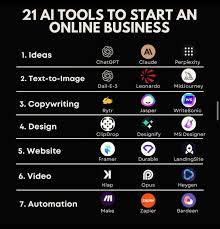
Creating high-quality content in 2026 is faster and smarter than ever, thanks to the latest AI writing tools. Whether you’re a blogger, freelance writer, student, marketer, or business owner, AI can help you generate ideas, write articles, improve grammar, optimize content for SEO, and save hours of work. Modern AI writing assistants don’t just produce text—they help with research, editing, tone adjustments, and even content planning.
With so many options available, choosing the right AI writing tool can be challenging. Some platforms are perfect for long-form blog posts, while others excel at SEO optimization, marketing copy, social media content, or creative writing. The best choice depends on your goals, budget, and workflow.
In this guide, we’ll explore the best AI tools for writing content in 2026, comparing their features, strengths, pricing, and ideal use cases. Whether you’re creating website content, YouTube scripts, newsletters, or SEO-focused articles, these AI tools can help you write better content in less time while maintaining quality and originality.
If you create content for a living, you already know the struggle. Deadlines pile up, blank pages stare back at you, and clients want more articles in less time without losing quality. The good news is that the right writing tools can take a huge load off your shoulders in 2026, whether you’re a blogger, a marketer, a student, or someone running a content agency.
This guide walks you through the best writing tools available right now, what makes each one worth using, and which one fits your specific situation. No fluff, no hype, just practical information you can act on today.
What Makes a Writing Tool Actually Useful in 2026
Before jumping into the list, it helps to know what separates a genuinely useful tool from one that just looks impressive in a demo video. Here’s what to check:
Output quality. Does the writing sound natural, or does it read as if a robot wrote it? You want content that flows the way a person would actually talk and write.
Editing flexibility. Can you tweak tone, length, and structure easily, or are you stuck with whatever the first draft gives you?
SEO support. Does the tool help with keywords, headings, and readability, or do you need a separate tool entirely?
Pricing fairness. Some platforms charge a fortune for features you’ll barely touch. Others give you generous free plans that actually work for daily use.
Learning curve. If it takes a week just to figure out the dashboard, that’s time you’re not spending on actual writing.
With that out of the way, let’s get into the tools themselves.
Best AI Tools for Writing Content 2026:-
1. Jasper
Jasper has been a favorite among marketing teams for a while now, and it’s still going strong in 2026. It’s built for businesses that need a high volume of content across blogs, ads, emails, and social posts, all while keeping a consistent brand voice.
What stands out is the brand voice training feature. You feed it examples of your past content, and it learns your style well enough to replicate it across new pieces. For agencies juggling multiple clients with different tones, this is genuinely useful.

Jasper is one of the most powerful AI writing tools available in 2026, designed for marketers, bloggers, agencies, and businesses that need to produce high-quality content at scale. Built on advanced AI language models, Jasper helps users create blog posts, website copy, email campaigns, product descriptions, social media captions, and advertising copy in just minutes.
One of Jasper’s biggest strengths is its marketing-focused approach. It offers dozens of ready-made templates for different content types, making it easy to create compelling copy without starting from scratch. Users can also customize the tone of voice to match their brand, ensuring consistent messaging across all platforms.
For SEO writers, Jasper integrates with popular SEO tools, allowing you to create keyword-optimized content that has a better chance of ranking in search engines. It also supports multiple languages, making it useful for businesses targeting international audiences.
Pros:
- Strong brand voice matching
- Good for teams collaborating on the same content
- Templates for almost every marketing format
Cons:
- Pricier than most alternatives
- Can feel like overkill if you only write occasionally
- Free trial is short
2. Copy.ai
Copy.ai leans more toward short-form and conversion-focused writing. Think product descriptions, ad copy, email subject lines, and social captions. It’s quick, simple, and doesn’t try to do everything at once.
A small business owner writing Instagram captions or Amazon listings will probably get more value here than someone writing 3,000-word blog posts every day.
Copy.ai is a popular AI writing platform that helps individuals and businesses create high-quality content in minutes. In 2026, it remains a top choice for marketers, entrepreneurs, freelancers, and content creators who need to produce engaging copy quickly. From blog outlines and social media posts to email campaigns and product descriptions, Copy.ai offers a wide range of AI-powered writing tools that simplify the content creation process.
One of Copy.ai’s biggest advantages is its user-friendly interface. Even beginners can generate professional-quality content by entering a simple prompt. The platform also includes customizable templates for different writing tasks, making it easy to create content tailored to your audience and goals. Whether you’re launching a new product, writing website copy, or planning a content marketing campaign, Copy.ai helps reduce writer’s block and speeds up your workflow.
Copy.ai also supports multiple languages and allows users to adjust the tone of their writing, making it suitable for businesses with global audiences. While it can generate impressive first drafts, reviewing and editing the content is still recommended to ensure accuracy, originality, and alignment with your brand voice.
Pros:
- Verybeginner-friendlyy
- Fast turnaround for short content
- Decent free plan for casual use
Cons:
- Long-form output needs heavy editing
- Limited SEO features
- Output can feel generic without much customization
3. Writesonic
Writesonic tries to bridge the gap between short marketing copy and full-length articles. It also includes a chatbot-style assistant for brainstorming and research, which is handy when you’re stuck on what to write about next.
If you run a blog and also handle ad campaigns for the same business, Writesonic covers both without forcing you to juggle two separate subscriptions.
Writesonic is one of the leading AI writing tools in 2026, helping bloggers, marketers, businesses, and freelancers create high-quality content quickly. It is especially popular for producing SEO-friendly blog posts, website copy, landing pages, product descriptions, and digital marketing content. With advanced AI models and built-in content optimization features, Writesonic makes it easier to create articles that are both engaging for readers and optimized for search engines.
A standout feature of Writesonic is its ability to generate long-form articles with well-structured headings, introductions, and conclusions. It also offers AI-powered tools for rewriting, summarizing, expanding text, and creating compelling marketing copy. The platform includes a chatbot assistant for brainstorming ideas, answering questions, and improving existing content, making it a valuable all-in-one writing solution.
For SEO professionals, Writesonic provides keyword-focused writing capabilities and integrates with SEO workflows, helping users create content that has a better chance of ranking on search engines. It also supports multiple languages, making it suitable for international content creators and businesses targeting global audiences.
Pros:
- Covers both long-form and short-form needs
- Built-in research assistant
- Reasonable pricing for the feature set
Cons:
- Article output sometimes needs restructuring
- Interface can feel cluttered for new users
- Quality varies depending on the template used
4. Surfer SEO
Surfer isn’t a writing tool in the traditional sense. It’s more of a content optimization companion that works alongside your writing process. It analyzes top-ranking pages for your target keyword and tells you what word count, headings, and related terms you should include to compete.
Pair this with any drafting tool, and you’ve got a setup that produces content built to actually rank, not just read well.
Pros:
- Excellent for on-page SEO planning
- Real-time scoring as you write
- Useful keyword and content gap data
Cons:
- Not meant for drafting from scratch
- Subscription cost adds up if used alongside other tools
- Learning the scoring system takes some practice
5. Grammarly
Grammarly has moved well beyond basic spell-check. The newer versions catch tone issues, wordiness, passive voice, and clarity problems that a normal spell-checker would miss completely.
Even if you use other tools for drafting, running your final piece through Grammarly before publishing is a habit worth keeping. It catches the small mistakes that slip past tired eyes.
Pros:
- Catches grammar and tone issues most tools miss
- Works inside Google Docs, Word, and browsers
- Free version covers the basics well
Cons:
- Premium features are locked behind a paywall
- Tone suggestions aren’t always accurate
- Doesn’t generate content, only refines it
6. Rytr
Rytr is the budget option on this list, and it doesn’t try to hide that. It’s straightforward, affordable, and gets the job done for shorter pieces like product descriptions, blog intros, and outlines.
Freelancers just starting or students working on a tight budget tend to gravitate here because the pricing won’t eat into their earnings.
Pros:
- One of the cheapest options available
- Simple interface, no steep learning curve
- Decent variety of templates
Cons:
- Long-form quality drops compared to premium tools
- Fewer customization options
- Limited integrations with other platforms
7. Frase
Frase is built specifically for content that needs to answer search intent accurately. It pulls data from top-ranking pages, builds content briefs automatically, and helps you structure articles around what people are actually searching for.
If you’re tired of guessing what subheadings to include, Frase basically hands you a blueprint based on real search data.
Pros:
- Strong content brief generation
- Helps match search intent closely
- Good for teams that outsource writing
Cons:
- Drafting features are secondary to its research tools
- Pricing is on the higher side for solo users
- Takes time to set up workflows properly
8. Sudowrite
Sudowrite is built for fiction and creative writing rather than marketing or SEO content. If you write short stories, novels, or character-driven scripts, this tool understands pacing, dialogue, and narrative structure far better than general-purpose options.
It’s not for everyone on this list’s audience, but if storytelling is part of your work, it deserves a mention.
Pros:
- Strong grasp of narrative and character voice
- Useful brainstorming features for plot development
- Good for overcoming writer’s block in fiction
Cons:
- Not suited for SEO or business content
- Smaller community and fewer tutorials
- Pricing structure can be confusing at first
9. Anyword
Anyword focuses heavily on predicting how well your copy will perform before you even publish it. It scores headlines, ad copy, and email subject lines based on predicted engagement, which is handy if you’re running paid campaigns and need to justify spend.
Performance marketers tend to like this one because it ties writing directly to measurable outcomes.
Pros:
- Predictive performance scoring is genuinely useful.
- Good for A/B testing headlines and ads
- Integrates with major ad platforms
Cons:
- Less useful for non-marketing content
- Predictions aren’t always perfectly accurate
- Steeper pricing for full feature access
10. ChatSEO
ChatSEO has built a reputation as a freemium, all-in-one option that combines drafting support with technical SEO checks in one dashboard. Instead of switching between three or four separate subscriptions, you get keyword suggestions, on-page scoring, and writing assistance under one roof.
For solo creators or small teams trying to keep monthly software costs down, this kind of bundled approach saves both money and time spent switching tabs.
Pros:
- Combines writing support with SEO analysis
- Generous free tier compared to competitors
- One dashboard instead of multiple tools
Cons:
- Some advanced features still maturing compared to specialized tools
- Free tier has usage limits
- Newer player, so community resources are still growing
Quick Comparison
| Tool | Best For | Free Plan | Starting Price |
|---|---|---|---|
| Jasper | Brand-consistent marketing content | Trial only | Higher tier |
| Copy.ai | Short-form and ad copy | Yes | Budget friendly |
| Writesonic | Mixed long and short content | Limited | Mid-range |
| Surfer SEO | Content optimization | No | Mid-range |
| Grammarly | Editing and proofreading | Yes | Budget friendly |
| Rytr | Budget content creation | Yes | Lowest |
| Frase | Search intent research | Trial only | Mid-range |
| Sudowrite | Fiction and storytelling | Trial only | Mid-range |
| Anyword | Performance-driven copy | Limited | Higher tier |
| ChatSEO | All-in-one writing and SEO | Yes | Lowest |
How to Pick the Right One for You
There’s no single “best” tool here because it depends entirely on what you’re writing and how often. A few quick pointers:
If you’re a solo blogger watching your budget, start with a free plan from Rytr or ChatSEO and add Grammarly for proofreading. That combination covers most needs without costing much.
If you’re running an agency handling multiple client voices, Jasper’s brand training feature will save you from rewriting half of every draft.
If ranking on search engines is your main goal, pair Surfer SEO or Frase with whichever drafting tool you already use. Optimization and drafting are two different jobs, and trying to find one tool that does both perfectly rarely works out.
If you write fiction or scripts on the side, Sudowrite is worth a trial run even if your main work is business content.
A Few Practical Tips Before You Start
Don’t expect a perfect first draft from any tool, no matter how good the reviews are. Treat the output as a strong starting point, then add your own examples, personal experience, and specific details that make the piece sound like it came from someone who actually knows the topic.
Always fact-check anything specific like statistics, dates, or technical claims before publishing. Tools can get confident about details that turn out to be outdated or simply wrong.
Keep your editing process consistent. Run drafts through a grammar check, read them out loud once, and trim anything that sounds stiff or repetitive. This single habit improves output quality more than switching between five different platforms looking for the “perfect” one.
Frequently Asked Questions
Are these writing tools good enough to replace a human writer completely?
Not quite. They’re excellent at speeding up drafts, fixing grammar, and handling repetitive formats like product descriptions. But original insight, personal stories, and nuanced opinions still need a human touch to feel authentic.
Which tool is best for someone just starting with a tight budget?
Rytr and ChatSEO both offer usable free plans. Start there, see how much you actually need, and upgrade only if the free tier starts limiting your workflow.
Do these tools help with SEO rankings directly?
Some do, like Surfer SEO and Frase, which analyze what’s already ranking and guide your structure accordingly. General drafting tools like Copy.ai or Jasper don’t focus on SEO directly, so pairing them with an optimization tool works better.
Will content from these tools get flagged by search engines?
Search engines care about content quality and usefulness, not how it was produced. Thin, repetitive, or inaccurate content gets penalized regardless of how it was written. Well-researched, genuinely helpful content tends to perform fine.
Can I use more than one tool together?
Yes, and most experienced content creators do exactly that. A common setup is drafting with one tool, optimizing structure with another, and proofreading with a third before publishing.
How much should I expect to spend monthly on writing tools?
Budget setups can run as low as free to ten dollars a month using tools like Rytr or ChatSEO’s free tier. Professional setups combining multiple specialized tools can run anywhere from fifty to a few hundred dollars monthly, depending on volume and team size.
Conclsion
The right writing tool depends on your goals, budget, and how much editing time you’re willing to put in. There isn’t one tool that wins across every category, which is exactly why pairing two or three based on your specific workflow tends to work better than searching for a single all-in-one solution.
Start small, test a free plan, and build your toolkit as your content needs grow. The tools listed here cover pretty much every use case you’ll run into in 2026, from quick social captions to full-length, search-optimized articles.