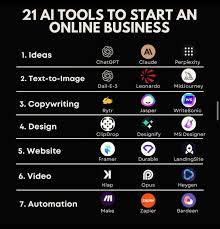
Creating high-quality YouTube videos has never been easier. In 2026, AI-powered video creation tools help creators turn simple ideas into professional videos in minutes. Whether you’re starting a faceless YouTube channel, producing educational content, creating product reviews, or making engaging Shorts, the right AI tool can save hours of editing while improving video quality.
Today’s best AI video tools offer features such as text-to-video generation, AI avatars, automatic subtitles, voiceovers, background removal, script assistance, image animation, and one-click editing. These tools are designed for everyone—from complete beginners to experienced YouTubers and professional content creators.
In this guide, we’ll explore the best AI tools for YouTube video creation in 2026, comparing their features, pricing, advantages, and ideal use cases. Whether your goal is to grow your audience, publish videos faster, or improve production quality, you’ll find the perfect tool to match your content creation needs.
Video Creation for YouTube 2026: Trying to grow on YouTube in 2026? You already know how demanding the content game has become. Posting once a week isn’t enough anymore. You need polished thumbnails, smooth edits, crisp voiceovers, subtitles, short clips for Shorts, and somehow a consistent upload schedule — all at the same time.
The good news? There are some seriously powerful tools available right now that can handle the heavy lifting. Whether you’re a one-person channel or managing content for a brand, these tools can help you produce more videos, faster, without burning out.
This guide breaks down the best tools for YouTube video creation in 2026 — what they actually do, who they’re best for, and where they fall short.
Why YouTube Creators Are Turning to Smart Tools in 2026
The average YouTube viewer watches over 19 minutes of content per session. They expect high production quality — clean audio, proper cuts, captions, and eye-catching thumbnails. But hiring a full editing team is expensive, and doing everything yourself is exhausting.
That’s where these tools come in. They’re not magic — you still need good ideas and some creative input — but they dramatically reduce the time between having an idea and hitting “Publish.”
Video Creation for YouTube 2026:-
1. Runway ML — Best for Cinematic Video Editing and Effects
Price: Free plan available; paid plans start at $15/month
Runway ML is one of the most capable video creation platforms available right now. Originally popular with filmmakers and visual artists, it’s now used by thousands of YouTube creators who want cinematic-quality effects without a Hollywood budget.
Runway ML remains one of the most powerful AI-powered video creation platforms in 2026, making it a top choice for YouTubers, filmmakers, marketers, and content creators who want cinematic-quality videos without advanced editing skills. Known for its cutting-edge generative AI technology, Runway ML enables users to create, edit, and enhance videos using simple text prompts and intelligent editing tools.
Whether you’re producing YouTube Shorts, documentaries, travel vlogs, product reviews, or cinematic storytelling videos, Runway ML offers professional-grade features that dramatically reduce editing time while delivering impressive results.
What it actually does:
- Removes backgrounds from video automatically (no green screen needed)
- Generates short video clips from text descriptions
- Applies style transfers to footage — turn raw video into something that looks illustrated or painted
- Handles motion tracking and object removal
Practical example: Say you’re filming a tech review in your bedroom and the background is messy. Runway can clean that up in seconds and replace it with a custom backdrop. Or if you need a short B-roll clip of a “futuristic cityscape at night” and don’t have footage — describe it, and Runway generates it.
Key Features
- Text-to-Video Generation: Turn written prompts into high-quality video clips in minutes.
- Image-to-Video Animation: Transform static images into dynamic, realistic videos with AI-powered motion.
- AI Video Editing: Remove unwanted objects, erase backgrounds, and edit scenes without complex masking.
- Motion Brush: Add movement to selected parts of an image for creative animations.
- Camera Controls: Simulate cinematic camera movements such as zooms, pans, and tracking shots.
- Background Replacement: Change video backgrounds without using a green screen.
- Automatic Subtitle Generation: Create accurate captions to improve accessibility and viewer engagement.
- AI Upscaling: Enhance video resolution and improve overall visual quality.
- Collaboration Tools: Share projects with team members and edit together in the cloud.
- Fast Cloud Rendering: Generate and export videos without requiring high-end computer hardware.
Pros:
- Extremely high output quality compared to competitors
- Clean, intuitive interface — no technical skills needed
- Constantly updated with new features
- Good free tier to test before committing
Cons:
- Credits run out fast on the free plan if you’re working on longer videos
- Generation can take a few minutes per clip
- Some advanced features have a learning curve
Best for: Creators who want high-quality visuals and don’t want to pay for stock footage
2. Descript — Best for Script-Based Editing and Podcasters Turning Videos
Price: Free plan; paid from $24/month
Descript changed how a lot of creators think about editing. Instead of working with a traditional timeline, you edit your video like a Google Doc — delete a word from the transcript, and the corresponding video clip is removed automatically.

What it actually does:
- Transcribes your video with very high accuracy
- Lets you edit video by editing text
- Removes filler words like “um,” “uh,” and “you know” in one click
- Generates a voice clone of you so you can fix mispronounced words or re-record lines without going back in front of the camera
- Creates audiograms and short clips for YouTube Shorts
Practical example: You filmed a 30-minute raw talking-head video. In Descript, you read through the transcript, highlight all the boring or rambling parts, and delete them. The video edits itself accordingly. What used to take two hours of manual cutting now takes 20 minutes.
Key Features
- Script-Based Video Editing: Edit videos by deleting or changing words in the transcript, and the video updates automatically.
- Automatic Transcription: Quickly convert speech into highly accurate text with support for multiple languages.
- AI Filler Word Removal: Remove “um,” “uh,” repeated words, and awkward pauses with a single click.
- Overdub AI Voice: Correct or update narration by generating natural-sounding voice replacements using AI.
- Screen Recording: Record your screen, webcam, or both for tutorials, software demos, and presentations.
- Automatic Captions: Generate and customize subtitles to improve accessibility and viewer engagement.
- Multitrack Editing: Edit video, audio, music, and screen recordings together in one workspace.
- Studio Sound: Enhance voice recordings by reducing background noise and improving audio clarity.
- Collaboration Tools: Share projects with team members for real-time editing and feedback.
- Direct Publishing: Export videos in multiple formats suitable for YouTube and social media platforms.
Pros:
- Game-changing for interview channels and talking-head content
- Voice cloning feature is genuinely useful for fixing small mistakes
- Very beginner-friendly
- Podcast-to-YouTube workflow is smooth
Cons:
- Not great for heavily visual content like gaming or travel vlogs
- Voice clone needs several minutes of training data to sound accurate
- Exporting in high resolution requires a paid plan
Best for: Educators, podcasters, interviewers, and anyone with talking-head content
3. Synthesia — Best for Faceless YouTube Channels
Price: Starts at $22/month
If you want to run a faceless YouTube channel — the kind where an avatar or presenter speaks over slides and visuals — Synthesia is the industry standard. You type a script, choose an avatar (or create your own), and it generates a presenter-style video in minutes.
What it actually does:
- Converts text scripts into videos with realistic speaking avatars
- Supports 130+ languages and accents
- Lets you create a custom avatar that looks like you (no camera needed)
- Integrates branded slides and screen recordings into the output
Practical example: You run a finance channel and want to post three explainer videos per week. Instead of filming yourself, you write the scripts, paste them into Synthesia, pick an avatar that matches your brand tone, and download polished videos — all without sitting in front of a camera.
Pros:
- Saves enormous time for faceless or explainer-style content
- Multi-language support is excellent — great for dubbing content
- Consistent presenter appearance every single video
- No studio or camera equipment needed
Cons:
- Avatars still look slightly artificial — experienced viewers may notice
- Not suitable for channels that rely on personality and personal connection
- Limited customization of avatar expressions and gestures
- Expensive if you’re producing a high volume of videos
Best for: Faceless channels in finance, education, tech tutorials, and explainer niches
4. CapCut — Best Free Tool for YouTube Shorts
Price: Free (with optional Pro features)
CapCut started as a mobile editing app but has grown into a full browser-based video editor with a surprisingly powerful free tier. In 2026, it’s one of the most widely used tools among creators who focus on short-form content, especially YouTube Shorts and Reels.
What it actually does:
- Auto-captions with customizable fonts and colors
- One-click background removal
- Auto-reframes vertical footage into horizontal (and vice versa)
- Trending templates that match current short-form styles
- Basic voice enhancement and noise reduction
Practical example: You recorded a quick 60-second tip on your phone and want to post it as a YouTube Short. Drop it into CapCut, apply auto-captions, trim the silences, add a trending caption style, and export — done in under 10 minutes.
Pros:
- Completely free for most features
- Mobile and browser versions sync well
- Templates make it easy to match viral content styles
- Auto-captions are among the most accurate available
Cons:
- Not built for longer-form YouTube content (10+ minutes)
- Some templates look very similar to other creators using the same presets
- Occasional watermark issues on free exports depending on the template
Best for: Shorts creators, beginners, and anyone who edits on mobile
5. ElevenLabs — Best for Voiceovers and Multilingual Dubbing
Price: Free plan with limited characters; paid from $5/month
Audio quality matters more than most creators realize. If your voiceover sounds robotic, listeners tune out — even if the content is great. ElevenLabs produces the most realistic-sounding voiceovers currently available, and many creators use it to replace their own voice recording when they can’t or don’t want to be on the microphone.
What it actually does:
- Generates natural-sounding voiceovers from text in dozens of voices
- Clones your voice from a short audio sample
- Translates and dubs videos into other languages while retaining your voice characteristics
- Supports long-form content generation — full video scripts, not just short clips
Practical example: You’re a tech reviewer based in India who creates English content but wants to reach Hindi-speaking audiences. You upload your English video, and ElevenLabs produces a Hindi dubbed version using your cloned voice. Same content, new audience.
Pros:
- Most natural-sounding output in its category by a significant margin
- Voice cloning is fast and accurate
- Dubbing feature is a genuine growth unlock for multilingual channels
- Very affordable at entry-level pricing
Cons:
- Voice cloning requires ethical use — misuse is a real concern
- Long videos cost more credits
- Some accents and languages are more accurate than others
Best for: Channels that want professional voiceovers or want to expand into new language markets
6. VidIQ — Best for Channel Strategy and Keyword Research
Price: Free plan available; paid from $10/month
VidIQ isn’t a video creation tool in the traditional sense — it won’t help you edit footage. But it’s one of the most important tools for YouTube growth in 2026 because it tells you what to create before you waste time creating the wrong thing.
What it actually does:
- Shows search volume and competition for any YouTube keyword
- Gives your existing videos a score and explains what’s hurting their performance
- Suggests video ideas based on trends in your niche
- Analyzes competitor channels and shows what’s working for them
- Daily idea recommendations sent directly to your dashboard
Practical example: You’re thinking about making a video on “best budget laptops 2026.” VidIQ tells you that keyword gets 90,000 monthly searches, but competition is very high. It then suggests “best budget laptops for students under 40000 rupees” — lower competition, more targeted audience, better chance of ranking.
Pros:
- Takes the guesswork out of content planning
- Competitor analysis is genuinely useful, not just vanity data
- Works directly inside YouTube as a browser extension
- Free plan covers most basics
Cons:
- Some suggestions are generic and not niche-specific
- Full competitor analysis features need paid plan
- Can feel overwhelming for absolute beginners
Best for: Creators serious about growing their channel strategically, not just randomly
7. Adobe Firefly (Integrated in Premiere Pro) — Best for Thumbnail Creation
Price: Included with Adobe Creative Cloud subscription (~₹1,675/month)
Your thumbnail is the first thing a viewer sees. A bad thumbnail, no matter how good the video, means low click-through rates. Adobe Firefly, now integrated directly into Photoshop and Premiere Pro, lets creators generate and modify thumbnail assets without needing extensive design skills.
What it actually does:
- Generates high-quality images from text prompts
- Extends backgrounds so your photo fits any thumbnail dimension
- Removes and replaces objects in existing images
- Creates text effects and stylized fonts
- Generates variations of the same design quickly
Practical example: You have a photo of yourself pointing at something, but the background is your cluttered office. Firefly can replace the background with a dramatic, neon-lit studio look in seconds — without you moving or re-shooting.
Pros:
- Integrated into tools most professional creators already use
- Very high image quality — looks genuinely professional
- Non-destructive editing preserves your original files
- Commercially safe generated content (licensed for commercial use)
Cons:
- Requires an Adobe subscription — not cheap
- Overkill if you only need basic thumbnails
- Takes time to learn Photoshop if you’re not already familiar
Best for: Creators already on Adobe CC who want to level up their thumbnails
Quick Comparison Table
| Tool | Best For | Starting Price |
|---|---|---|
| Runway ML | Cinematic effects, B-roll | Free / $15/mo |
| Descript | Script-based editing | Free / $24/mo |
| Synthesia | Faceless channels | $22/mo |
| CapCut | YouTube Shorts | Free |
| ElevenLabs | Voiceovers, dubbing | Free / $5/mo |
| VidIQ | Strategy, keywords | Free / $10/mo |
| Adobe Firefly | Thumbnails | Included in CC |
How to Choose the Right Tool for Your Channel
If you’re just starting: Go with CapCut for editing and VidIQ’s free plan for keyword research. Both are free and cover the fundamentals.
If you create talking-head or interview content: Descript will save you more time than almost anything else.
If you want a faceless channel: Synthesia + ElevenLabs is a powerful combination. Synthesia generates the video, ElevenLabs polishes the voice.
If you’re focused on growth: Add VidIQ to whatever editing workflow you have. Knowing what to make is as important as making it well.
If you’re already monetized and want to scale: Invest in Runway ML for production value and Adobe Firefly for professional thumbnails.
FAQs
Q: Can I use these tools even if I’m not technical?
Yes. Most of them are designed for creators, not developers. CapCut, Descript, and VidIQ all have free plans with very gentle learning curves.
Q: Will using these tools make my videos look the same as everyone else’s?
Only if you use the default presets without customization. The tools are only as creative as the person using them. Use them to speed up your workflow, not to replace your creative decisions.
Q: Are there free options worth using?
Absolutely. CapCut (editing + Shorts), VidIQ free tier (keyword research), and ElevenLabs’ basic plan all offer genuine value without spending anything.
Q: Is it possible to run a full YouTube channel using only these tools?
Yes. Many faceless channels use Synthesia or Descript for video production, ElevenLabs for voiceovers, VidIQ for topic research, and CapCut for Shorts — all without ever appearing on camera.
Q: Do these tools work for YouTube channels in Hindi or regional Indian languages?
Several of them do. ElevenLabs supports Hindi dubbing and voice generation. Synthesia supports Hindi avatars. CapCut’s auto-captions also work reasonably well in Hindi.
Q: How many of these tools should I use at once?
Start with one or two that solve your biggest bottleneck. Most creators who try to use six tools at once end up using none of them consistently. Pick your pain point — editing time, thumbnails, or content ideas — and solve that first.
Conclsion
There’s no single tool that does everything perfectly for YouTube in 2026. The best creators combine two or three of these based on their content style and growth goals.
If you had to start somewhere today: VidIQ to find the right keywords, Descript or CapCut to edit your videos, and ElevenLabs to clean up your voiceovers. That combination covers research, editing, and audio — the three biggest time sinks for most YouTube creators.
As your channel grows, add tools that match your specific format. Test, adjust, and keep posting. Consistency still beats perfection on YouTube — these tools just help you be consistent without running yourself into the ground.