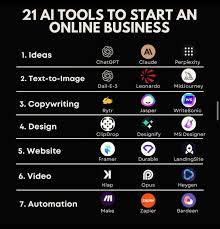
If you’re creating videos in 2026 — whether for YouTube, Instagram Reels, TikTok, or client work — you already know how much the landscape has changed. Tools that used to require a professional editor or a whole production team can now be handled by one person with the right software.
This article breaks down the best tools available right now for video editing and content creation. Whether you’re a solo creator, a marketing team, or someone just getting started, there’s something here for you.

Artificial Intelligence is transforming the way creators produce videos, social media content, and digital marketing campaigns. In 2026, AI-powered tools can automate time-consuming tasks such as video editing, script writing, subtitle generation, voiceovers, thumbnail creation, and even full video production. Whether you’re a YouTuber, content marketer, freelancer, educator, or business owner, the latest AI tools can help you create professional-quality content faster and more efficiently than ever before.
From beginner-friendly platforms that generate videos in minutes to advanced editing software with AI-powered effects and automation, there are now tools available for every skill level and budget. These solutions not only save time but also improve creativity, consistency, and audience engagement across multiple content formats.
In this guide, we’ll explore the best AI tools for video editing and content creation in 2026, highlighting their key features, strengths, pricing, and the types of creators who can benefit most from them.
Why the Right Tool Matters More Than Ever
The bar for content quality has gone up. Audiences expect crisp edits, good audio, clean captions, and visuals that grab attention in the first two seconds. At the same time, publishing frequency has increased — you can’t spend three days on a single 60-second Reel.
The tools below help you close that gap: produce better content, faster, without needing a film school degree.
1. CapCut (Free / Pro)
Best for: Short-form video creators, beginners, mobile-first workflows
CapCut remains one of the most popular video editors for short-form content, and the 2026 version has matured considerably. It handles auto-captions, background removal, beat-syncing, and template-based editing all within a clean interface — both on mobile and desktop.
What makes it practical: if you record a talking-head video on your phone, you can have it captioned, trimmed, and formatted for Instagram in under 10 minutes. The template library is massive, and the free tier is genuinely usable.
CapCut has become one of the most popular AI-powered video editing tools in 2026, offering a powerful combination of ease of use, advanced editing features, and intelligent automation. Designed for content creators, influencers, marketers, and small businesses, CapCut helps users create professional-quality videos without requiring extensive editing experience.
The platform includes a wide range of AI features such as automatic caption generation, AI script writing, background removal, text-to-speech conversion, voice enhancement, AI avatars, and one-click video resizing for different social media platforms. These tools significantly reduce editing time while helping creators produce engaging content for YouTube, TikTok, Instagram Reels, Facebook, and other platforms.
CapCut’s free version provides access to many essential editing features, making it an excellent choice for beginners. Users can trim clips, add transitions, apply effects, generate subtitles, and export high-quality videos at no cost. For creators who need advanced AI tools and premium assets, the Pro version unlocks additional templates, stock media, cloud storage, advanced AI effects, and enhanced export options.
One of CapCut’s biggest strengths is its user-friendly interface. Even first-time editors can quickly create polished videos using ready-made templates and AI-powered automation. At the same time, more experienced creators can take advantage of multi-layer editing, keyframe animation, color adjustments, and professional-grade effects.
Whether you’re creating short-form social media content, marketing videos, educational tutorials, or YouTube content, CapCut remains one of the best AI tools for video editing and content creation in 2026 due to its versatility, affordability, and powerful AI capabilities.
Pros:
- Free tier covers most basic needs
- Strong auto-caption accuracy (including Hindi and regional Indian languages)
- Works on mobile and desktop
- Templates make it easy to match trending formats
Cons:
- Pro features behind a subscription
- Less control for cinematic or long-form projects
- Occasional watermark issues on the free plan
2. Descript (Pro / Business)
Best for: Podcasters, educators, and YouTube creators who talk to the camera
Descript is one of those tools you use once and immediately wonder how you managed without it. You edit your video the same way you’d edit a document — by deleting words from the transcript. The video follows.
For example, if you record a 20-minute tutorial and stumble over a sentence, you just delete that sentence from the text. Done. No scrubbing through a timeline.
The overdub feature also lets you fix audio mistakes by typing new words — it generates your voice saying them. This is incredibly useful when you realize mid-edit that you said the wrong number or mispronounced something.
Descript is one of the most innovative AI-powered content creation and video editing platforms available in 2026. Unlike traditional video editors, Descript allows users to edit videos and podcasts simply by editing text transcripts. This unique approach makes content creation faster, easier, and more accessible for creators, marketers, educators, and business teams.
One of Descript’s standout features is its AI transcription technology, which automatically converts audio and video into highly accurate text. Users can remove mistakes, filler words, pauses, and unwanted sections by deleting the corresponding text in the transcript. This dramatically reduces editing time and simplifies the production workflow.
The platform also includes advanced AI tools such as Overdub for AI voice cloning, automatic subtitle generation, screen recording, multitrack editing, background noise removal, eye-contact correction, and AI-powered content repurposing. These features help creators produce professional-quality videos, podcasts, webinars, and training materials with minimal effort.
Descript’s Pro plan is ideal for individual creators and small teams that need powerful editing and AI automation tools. The Business plan offers enhanced collaboration features, team management controls, enterprise-grade security, and higher usage limits, making it suitable for agencies, media companies, and large organizations.
Another major advantage of Descript is its all-in-one workflow. Instead of using separate tools for recording, editing, transcription, captioning, and publishing, users can manage the entire content creation process within a single platform. This saves time, improves efficiency, and streamlines team collaboration.
For creators looking to edit videos and podcasts faster while leveraging cutting-edge AI technology, Descript remains one of the best AI tools for video editing and content creation in 2026.
Pros:
- Text-based video editing is genuinely fast
- Removes filler words (“um”, “uh”) automatically
- Great for podcasts and screen recordings
- Clean multi-track audio handling
Cons:
- Pricey compared to simpler editors
- Learning curve if you’re used to timeline-based tools
- Overdub voice matching isn’t perfect for every accent
3. Adobe Premiere Pro (with Generative Tools)
Best for: Professional editors, agencies, and long-form video production
Premiere Pro is still the industry standard for professional video work, and its 2025–2026 feature upgrades have made the editing workflow significantly faster. The Firefly-powered tools inside Premiere now let you extend clips, generate B-roll placeholder visuals, and reframe footage for different aspect ratios with a few clicks.

If you’re delivering branded videos to clients or producing YouTube content that runs 15+ minutes, Premiere gives you the precision and control that simpler tools can’t match.
Adobe Premiere Pro remains the industry-standard video editing software in 2026, combining professional-grade editing capabilities with powerful generative AI features. Widely used by filmmakers, YouTubers, marketing agencies, and production studios, Premiere Pro offers advanced tools for creating high-quality video content for virtually any platform.
One of the platform’s biggest advantages is its integration of Adobe’s generative AI technology. AI-powered features such as Generative Extend, automatic scene editing, speech enhancement, intelligent color correction, text-based editing, and AI-generated captions help creators streamline complex editing workflows. These tools can automatically analyze footage, improve audio quality, and assist with content creation, significantly reducing production time.
Premiere Pro also excels in professional editing capabilities, including multi-camera editing, advanced color grading, motion graphics integration, visual effects support, and seamless collaboration with other Adobe Creative Cloud applications. Editors can easily work with high-resolution footage, including 4K, 8K, HDR, and cinematic formats.
The software’s text-based editing feature allows users to edit videos by modifying automatically generated transcripts, making it easier to remove mistakes and restructure content. AI-powered audio tools can clean up background noise, enhance voice clarity, and create a more polished final product without requiring extensive audio-editing expertise.
Another major strength of Premiere Pro is its integration with Adobe applications such as After Effects, Photoshop, and Audition, enabling creators to build a complete professional content production workflow.
For professionals and serious content creators seeking advanced editing capabilities combined with cutting-edge AI automation, Adobe Premiere Pro remains one of the best AI tools for video editing and content creation in 2026.
Pros:
- Industry-standard, accepted by professional workflows
- Excellent color grading tools
- Smooth integration with After Effects and Audition
- Generative reframe and extend features save editing time
Cons:
- Expensive (subscription-only)
- Heavy on system resources
- Overkill for casual creators or social media-only work
4. Runway ML (Gen-3 Alpha)
Best for: Visual creators, experimental content, music videos, brand films
Runway is in a category of its own. It’s primarily a video generation and transformation platform — meaning you can generate video from text prompts, apply motion effects to still images, change the style of existing footage, and more.
In 2026, Runway’s Gen-3 Alpha model produces footage that’s actually usable in real projects. A small brand, for instance, could generate lifestyle background footage rather than hiring a production crew for a short ad.
It’s not a replacement for traditional editing — but as a source of visuals and creative assets, it’s become a serious tool in many creators’ workflows.
Pros:
- Generates video content from text or images
- Style transfer and visual effects without VFX knowledge
- Great for producing B-roll quickly
- Constantly improving model quality
Cons:
- Expensive at higher usage tiers
- Generated footage can look off in a close-up or with people
- Not suited for documentary or reality-style content
5. Synthesia
Best for: Corporate trainers, marketers, eLearning creators
Synthesia lets you create professional-looking video presentations using digital avatars. You type a script, choose an avatar, pick a background, and it produces a polished video — no camera, no studio, no on-screen talent required.
This is especially useful for product explainers, onboarding videos, and internal training content where you need to produce a lot of videos on a regular basis without booking a studio each time.
Pros:
- No camera or recording setup needed
- Supports 130+ languages with realistic voiceovers
- Fast turnaround for high volumes of content
- Professional-looking output for corporate use
Cons:
- Avatars, while improving, still feel slightly artificial
- Not suitable for personal brand or personality-driven content
- Limited creative flexibility compared to real video
6. Canva Video Editor
Best for: Non-designers, marketing teams, social media managers
Canva’s video editor has quietly become very capable. If you’re already using Canva for graphics, the video workflow fits right in. You can build slideshow-style videos, product showcases, and short social clips using existing templates without touching a proper video editor.
The 2026 version includes a built-in text-to-video feature, background remover, and a decent stock video library. It’s not for complex editing, but for social media teams producing 5–10 short clips a week, it gets the job done quickly.
Pros:
- Very easy to use, no learning curve
- Huge template library
- Works well for teams with shared brand assets
- Affordable (included in Canva Pro)
Cons:
- Limited to anything beyond simple social video
- No real timeline-based editing
- Transitions and effects are basic
7. ElevenLabs (for Voiceover)
Best for: Content creators needing professional narration without recording
Not strictly a video editor, but ElevenLabs deserves a spot here because voiceover is such a big part of video production. ElevenLabs generates incredibly realistic voice narration from text — think documentary-quality, not robotic text-to-speech.
For faceless YouTube channels, explainer videos, or any content where you don’t want to record your own voice, this is the go-to tool. You can also clone your own voice if you prefer to maintain a consistent sound without recording every script fresh.
Pros:
- Highly realistic voice output
- Wide range of voices and accents
- Voice cloning for consistent branding
- API available for automation workflows
Cons:
- Premium quality requires a paid plan
- Voice cloning requires audio samples and consent agreements
- Overuse without human review can make content sound unnatural
8. OpusClip
Best for: Repurposing long-form content into short clips
If you run a podcast, YouTube channel, or host webinars, OpusClip is built exactly for you. You paste a link to a long video, and it identifies the most engaging moments, clips them, adds captions, and formats them for vertical short-form platforms.
It’s one of the most time-saving tools available for creators who already have long-form content but need to feed short-form platforms consistently. A 1-hour interview can become 8–10 ready-to-post clips in about 15–20 minutes.
Pros:
- Saves enormous time on repurposing
- Clips are selected based on engagement signals, not just random cuts
- Auto-captions included
- Outputs optimized for TikTok, Reels, and Shorts
Cons:
- The clip selection isn’t always perfect — manual review sis till needed
- Works better with talking-head content than B-roll-heavy videos
- Monthly limits on the free plan
Quick Comparison Table
| Tool | Best Use | Ease of Use | Price Range |
|---|---|---|---|
| CapCut | Short-form social video | ★★★★★ | Free / ~$10/mo |
| Descript | Podcast & talking-head | ★★★★☆ | $12–$24/mo |
| Adobe Premiere Pro | Professional long-form | ★★★☆☆ | ~$55/mo |
| Runway ML | Visual generation & effects | ★★★☆☆ | $15–$95/mo |
| Synthesia | Corporate & training video | ★★★★☆ | $18–$67/mo |
| Canva Video | Social media, marketing teams | ★★★★★ | ~$13/mo (Pro) |
| ElevenLabs | Voiceover & narration | ★★★★☆ | Free / $5–$22/mo |
| OpusClip | Long-form content repurposing | ★★★★☆ | Free / $15/mo |
What to Choose Based on Your Setup
If you’re a solo YouTube creator: Start with CapCut or Descript, and add OpusClip once your channel grows. These three together cover recording, editing, and repurposing.
If you’re a marketing team, Canva Video + Synthesia + ElevenLabs gives you everything you need for social content, explainers, and branded videos without a full production team.
If you’re doing client video work, Adobe Premiere Pro is non-negotiable for professional deliverables. Supplement with Runway for creative visual assets.
If you’re building a faceless YouTube channel: Runway (for visuals), ElevenLabs (for voiceover), and CapCut or Premiere (for final editing) is the cleanest setup.
Frequently Asked Questions
Which tool is best for beginners with no video editing experience?
CapCut is the easiest starting point. It’s free, runs on your phone, and the template system means you don’t have to make many decisions from scratch. Canva Video is another good pick if you already use Canva for design work.
Can I build a YouTube channel using only these tools without showing my face?
Yes. Runway or stock footage handles visuals, ElevenLabs handles narration, and CapCut or Premiere handles the final cut. Many successful faceless channels use exactly this setup.
Is Adobe Premiere still worth learning in 2026?
For professional or client work, yes. If you’re purely creating social media content as a solo creator, it’s probably more than you need, and the cost adds up fast.
What’s the best tool for making training videos at scale?
Synthesia is purpose-built for this. It handles multiple languages, produces consistent output, and is far faster than filming each video separately once you’re comfortable with the platform.
Do I need to pay for all these tools, or can I use free tiers?
CapCut, Canva, and OpusClip all have usable free tiers. ElevenLabs gives you a limited number of characters free per month. For serious, consistent use, budget around $30–$50/month for a solid two or three-tool stack.
Which tools work well together?
Descript + ElevenLabs is a strong combo for podcast-to-video workflows. OpusClip + Canva works well for repurposing and formatting. Runway + Premiere is the professional creative combination for narrative or branded content.
Conclsion
The tools available for video editing and content creation in 2026 have removed most of the traditional barriers — you don’t need expensive equipment, a large team, or years of editing experience to produce good content consistently.
That said, tools don’t replace creativity or strategy. The best creators use these tools to speed up their process and maintain quality, not as a shortcut to skip thinking about what makes their content worth watching.
Start with what fits your current workflow. Add tools as your needs grow. And don’t try to use all of them at once — pick two or three that solve your actual problems and learn them well.