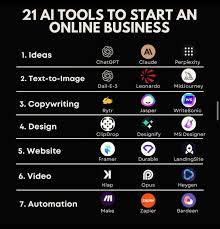
If you write content for a living — blog posts, product descriptions, social media captions, newsletters — you already know how exhausting it can get. Deadlines pile up. Ideas dry out. And no matter how good you are, there are only so many hours in a day.
Best AI Tools for Content Writing in 2026. That’s where writing tools powered by smart technology step in. In 2026, the options have grown dramatically. Some tools help you brainstorm. Others write full drafts. Some clean up your grammar and tone, while others help you rank better on Google. The challenge isn’t finding a tool — it’s knowing which one is actually worth your time and money.
This guide breaks down the best tools available right now, what they’re good at, where they fall short, and which type of writer should use which.
Artificial intelligence has completely transformed the way content is created in 2026. Whether you’re a blogger, freelance writer, marketer, student, business owner, or SEO professional, AI writing tools can help you produce high-quality content faster than ever before. From generating blog posts and website copy to creating social media captions, emails, product descriptions, and SEO-optimized articles, modern AI assistants have become an essential part of every content creator’s workflow.
The best AI writing tools in 2026 do much more than generate text. They can research topics, improve grammar, optimize content for search engines, suggest engaging headlines, rewrite paragraphs, match your brand’s tone, and even create multilingual content. This allows writers to save hours of work while maintaining consistency and quality.
However, not all AI writing tools are created equal. Some excel at long-form blog writing, while others are better for marketing copy, SEO optimization, or creative storytelling. Choosing the right platform depends on your specific needs, budget, and writing style.
In this guide, we’ll explore the best AI tools for content writing in 2026, comparing their features, pricing, advantages, and ideal use cases. Whether you’re looking for a free AI writing assistant or a premium platform with advanced capabilities, this list will help you find the perfect tool to boost your productivity and create better content.
Why Content Writers Are Leaning on Smart Tools in 2026
The content game has changed. Search engines are smarter. Readers have shorter attention spans. And the demand for consistent, high-quality output has gone through the roof.
Writers who used to produce two articles a week are now expected to push out five. Marketing teams that once had a dedicated copywriter now expect that person to handle blogs, email sequences, landing pages, and social posts — all at once.
Smart writing tools don’t replace good writing judgment. But they do help you move faster, get unstuck, and cover more ground without burning out.
Best AI Tools for Content Writing in 2026:-
1. Jasper
Best for: Marketing teams and agencies handling high-volume content
Jasper has been around long enough to have gone through several name changes and product overhauls. In 2026, it’s one of the most complete writing platforms available for professional content teams.
What makes Jasper useful is its template library. Whether you need a product description, a cold email sequence, a YouTube video script, or a long-form blog post, there’s a starting point for it. You fill in the context — your brand voice, target audience, keyword — and Jasper gives you a draft that’s reasonably on-point.
Practical example: A DTC skincare brand needs 50 product descriptions before a seasonal launch. Instead of writing each one from scratch, a copywriter uses Jasper’s product description template, inputs the key ingredients and benefits for each product, and gets rough drafts that need only light editing. What would have taken a week takes two days.
Pros:
- Excellent template library for marketing copy
- The brand voice feature keeps output consistent
- Integrates with Surfer SEO for optimized content
- Strong team collaboration features
Cons:
- Expensive — not ideal for solo bloggers or freelancers on a budget
- Output still needs human editing for accuracy
- Can feel formulaic for creative or narrative writing
Pricing: Starts around $49/month (Creator plan). Team plans run significantly higher.
2. Copy.ai
Best for: Freelancers and small businesses who want fast, no-fuss copy
Copy.ai is simpler than Jasper, and that’s intentional. It’s built for people who just want to open a tab, describe what they need, and get something usable in under a minute.
It works well for short-form content: social media posts, email subject lines, ad copy, taglines, and meta descriptions. The workflow is quick, and there’s a generous free plan that lets new users test it without committing.
Practical example: A solo consultant wants to run LinkedIn ads for a new service. She opens Copy.ai, selects the “LinkedIn Ad” template, pastes in her offer details, and gets five different headline and body combinations in 30 seconds. She tests two of them and doesn’t spend an hour staring at a blank page.
Pros:
- Genuinely easy to use — almost no learning curve
- Free plan is useful (not just a teaser)
- Good for short-form content and quick ideation
- Offers a workflow feature for multi-step content tasks
Cons:
- Long-form content quality isn’t as strong as competitors
- Less control over tone and style compared to Jasper
- Workflow automation can feel clunky for complex tasks
Pricing: Free plan available. Paid plans start around $36/month.
3. Writesonic
Best for: SEO writers who want search-optimized content fast
Writesonic sits in an interesting position — it’s built with SEO in mind from the start. Its Article Writer feature pulls real-time data from the web, which means the content it produces is more likely to be current and accurate than tools that rely purely on training data.
For bloggers, niche site owners, and content marketers who need to publish regularly, Writesonic offers a solid mix of speed and search-readiness.
Practical example: A travel blogger wants to write about visa requirements for Indian tourists visiting Vietnam. Instead of manually researching and then writing, she uses Writesonic’s Article Writer with web access turned on. The tool pulls current information and builds a draft she can fact-check and polish in about 30 minutes.
Pros:
- Real-time web data integration for up-to-date content
- Decent long-form output quality
- Built-in SEO checklist and keyword optimization
- More affordable than Jasper at comparable word counts
Cons:
- Interface has improved, but it can still feel busy
- Some templates produce generic output without enough input detail
- Requires prompt engineering to get the best results
Pricing: Starts around $16/month. Higher tiers unlock more words and features.
4. Rytr
Best for: Budget-conscious bloggers and freelancers
Rytr is proof that you don’t need to spend a lot to get genuine value from a writing tool. It’s not the most powerful option on this list, but it’s reliable, affordable, and covers the basics well.
For someone writing guest posts, handling small client blogs, or producing content as a side gig rather than a full-time job, Rytr is hard to beat at its price point.
Practical example: A student running a personal finance blog on a tight budget uses Rytr to produce first drafts of his weekly posts. He writes the outline himself, then uses Rytr to expand each section. He edits the output and publishes. His content quality has stayed consistent even when he’s short on time.
Pros:
- Very affordable — one of the cheapest tools with solid output
- Covers 40+ use cases and tones
- Built-in plagiarism checker
- Simple, clean interface
Cons:
- Long-form content needs significant editing
- Limited customization for brand voice
- Not ideal for high-stakes professional content
Pricing: Free plan available (10,000 characters/month). Paid plan starts around $9/month.
5. Surfer SEO (Content Editor)
Best for: Writers who want to rank on Google, not just publish content
Surfer SEO isn’t a writing tool in the traditional sense — it doesn’t write for you. But it tells you exactly what your content needs to include to rank well for a specific keyword. And for SEO-focused writers, that guidance is worth more than a full draft.

The Content Editor scores your article in real time as you write. It tells you which terms to include, how long the piece should be, how many headings to use, and how your content compares to the top-ranking pages for that keyword.
Practical example: An affiliate marketer wants to rank for “best running shoes for flat feet.” She opens Surfer’s Content Editor, types in the keyword, and gets a content brief showing what the top 10 results have in common. She writes to that brief, and three months later, her article is ranking on page one.
Pros:
- Data-driven content guidance actually works
- Real-time scoring keeps you on track while writing
- Integrates with Google Docs and Jasper
- Keyword research and SERP analysis are built in
Cons:
- Not a writing tool — you still do the writing
- Pricier than most standalone writing tools
- Overkill for writers who don’t focus on SEO
Pricing: Starts around $89/month (Essential plan).
6. Notion AI
Best for: Writers who already use Notion for project management and notes
If your whole content workflow lives in Notion — briefs, drafts, editorial calendars, research notes — then Notion AI is the easiest upgrade you can make. It’s built right into the workspace you’re already using.
You can ask it to summarize meeting notes into a content brief, expand bullet points into full paragraphs, fix awkward sentences, or brainstorm headline options — all without switching tabs.
Practical example: A content strategist keeps all her editorial work in Notion. When she has a rough brief, she highlights it and asks Notion AI to turn it into a full article outline. She then uses that outline to assign tasks to her writing team. What used to take 20 minutes of manual work takes three.
Pros:
- Seamless — lives inside Notion with no extra tool to manage
- Great for summarizing, rewriting, and brainstorming
- Affordable add-on if you already pay for Notion
- Clean, distraction-free writing environment
Cons:
- Not built for standalone content creation
- Weaker than dedicated tools for long-form SEO content
- Dependent on your Notion subscription
Pricing: $10/month add-on to your existing Notion plan.
7. Grammarly
Best for: Every writer who publishes anything online
Grammarly has been around for years, but it’s still the most universally useful tool on this list — not because it writes for you, but because it makes everything you write cleaner and more professional.
In 2026, Grammarly added more tone-detection features, a more capable rewriting engine, and deeper browser integration. It works in Gmail, Google Docs, WordPress, LinkedIn, Slack, and dozens of other places writers actually spend their time.
Grammarly remains one of the most trusted AI-powered writing assistants in 2026. While it began as a grammar checker, it has evolved into a complete writing companion that helps users create clear, professional, and engaging content. Whether you’re writing blog posts, emails, academic papers, business reports, or social media content, Grammarly provides real-time suggestions to improve grammar, spelling, punctuation, clarity, tone, and readability.
One of Grammarly’s biggest strengths is its advanced AI editing engine. Instead of simply correcting mistakes, it analyzes your writing style and recommends improvements that make your content more natural and effective. It can rewrite awkward sentences, eliminate wordiness, improve vocabulary, and ensure your message matches your intended tone, whether professional, friendly, persuasive, or confident.
For bloggers and digital marketers, Grammarly helps create polished, error-free articles that improve user experience and credibility. SEO writers also benefit from cleaner, more readable content, which can increase reader engagement and reduce bounce rates. Students use Grammarly to strengthen essays and research papers, while professionals rely on it for business communication and client proposals.
Grammarly works across multiple platforms, including web browsers, Microsoft Word, Google Docs, desktop applications, and mobile devices. This allows users to receive writing suggestions almost anywhere they type. Its AI-powered writing assistant can also generate content ideas, rewrite paragraphs, shorten or expand text, and create professional email responses, making it much more than a traditional proofreading tool.
The free version includes essential grammar, spelling, and punctuation checks, making it an excellent choice for casual writers. Grammarly Premium unlocks advanced features such as sentence rewrites, tone adjustments, vocabulary enhancements, plagiarism detection, and AI-generated writing assistance for more complex writing tasks.
Practical example: A freelance writer submits a 1,500-word article to a client. Before hitting send, she runs it through Grammarly. It catches three comma splices, two instances of passive voice that the client’s style guide prohibits, and one sentence that reads as too aggressive in tone. Five minutes of edits saves an awkward revision conversation.
Pros:
- Works everywhere, almost invisibly
- Catches grammar, tone, clarity, and engagement issues
- Plagiarism checker included in Premium
- Useful for native and non-native English writers alike
Cons:
- The free version is limited
- Some suggestions are overly conservative or off-tone
- Not a content creation tool — only a refinement layer
Pricing: Free plan available. Premium is around $12/month (annual billing).
Which Tool Should You Actually Use?
Here’s a simple way to decide:
- You produce marketing copy at scale → Jasper
- You need fast drafts with minimal setup → Copy.ai
- You write SEO content and need accuracy → Writesonic
- You’re on a tight budget → Rytr
- You want to rank on Google → Surfer SEO (pair it with any writing tool)
- You live in Notion → Notion AI
- You want better writing, not more writing → Grammarly
Most working writers end up using two tools: one for drafting and one for editing. A common combo in 2026 is Writesonic (for drafts) + Grammarly (for polish), or Jasper + Surfer SEO for agency-grade SEO content.
Frequently Asked Questions
Can these tools completely replace a human writer?
No. And for most professional content, you wouldn’t want them to. These tools speed up the process, but they don’t know your audience the way you do. They can produce technically correct content that still feels flat or generic without a human editor shaping the voice, adding original examples, and making judgment calls about what to include.
Is the content these tools produce original?
Generally, yes — it’s generated fresh each time. But it’s not “original” in the creative sense. Multiple people using the same prompt can end up with similar output. For high-stakes content like thought leadership pieces or brand cornerstone articles, you’ll want heavy human input.
Which tool is best for non-native English writers?
Grammarly is the most immediately useful for non-native writers because it catches grammar issues and explains them clearly. For drafting, Copy.ai and Rytr are straightforward enough that language barriers rarely cause problems with inputs.
Do these tools help with SEO?
Some do more than others. Surfer SEO is purpose-built for it. Writesonic has strong SEO awareness. Jasper integrates with Surfer. Tools like Rytr and Notion AI don’t focus on SEO at all — they’re better for content quality than search optimization.
Are there free options worth using?
Yes. Rytr’s free plan is genuinely useful for low-volume writers. Copy.ai’s free tier lets you test it seriously. Grammarly’s free version catches the most important issues even without Premium. You can run a lightweight content workflow at zero cost — it just has limits on volume and features.
How do I make sure the content doesn’t sound robotic?
The best results come from giving the tool more to work with. Instead of a vague prompt like “write about email marketing,” try “write a practical guide for small business owners who are new to email marketing and want to grow a list of 1,000 subscribers in six months.” The more specific you are, the less generic the output. Then edit the draft in your own voice before publishing.
Conclsion
The writing tools available in 2026 are genuinely useful — more so than at any point before. But they work best when you treat them as a starting engine, not a finished product.
The writers getting the most out of these tools aren’t the ones hitting “generate” and copy-pasting the result. They’re the ones who use the draft as a scaffold, rewrite the sections that fall flat, add examples from their own experience, and make the final piece sound like a real person wrote it.
That’s still where the value is — and that’s still what separates content that ranks and resonates from content that fills a page.
Pick one tool from this list, spend a week with it, and see what it does for your workflow. That hands-on time will teach you more than any comparison guide.