
A free VPN for MacBook laptops can help protect your online privacy, secure your internet connection, and provide access to region-restricted content without requiring a paid subscription. Whether you use a MacBook Air, MacBook Pro, or another macOS device, a reliable VPN encrypts your internet traffic and helps keep your personal data safe when browsing on public Wi-Fi networks, at home, or while traveling.
In 2026, several free VPN services will offer strong security features, user-friendly macOS apps, and fast connection speeds. Many of these VPNs include essential protections such as AES encryption, no-logs policies, DNS leak protection, and secure VPN protocols. While free plans often come with limitations such as data caps, fewer server locations, or reduced speeds, they can still be excellent options for casual browsing, streaming, and secure internet access.
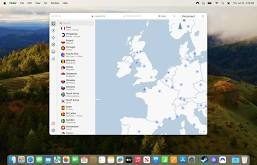
When choosing a free VPN for your MacBook laptop, it is important to consider factors such as privacy policies, security features, server availability, speed, and ease of use. In this guide, we’ll explore the best free VPNs for MacBook laptops in 2026 and compare their features, advantages, and limitations to help you find the right option for your needs.
If you use your MacBook at coffee shops, airports, or any public Wi-Fi, a VPN is something you genuinely need. And if you’re not ready to pay for one yet, good news — there are free VPNs for MacBooks that are worth your time.
The problem is that the free VPN market is full of apps that are slow, unsafe, or so limited they’re practically useless. This guide cuts through all of that. You’ll find the best free VPNs that actually work on a MacBook, what to watch out for, and how to get the most out of whichever one you pick.
Why MacBook Users Need a VPN
MacBooks have strong built-in security — but that doesn’t protect you from everything. When you connect to public Wi-Fi at a café or hotel, anyone on the same network can potentially intercept unencrypted traffic. A VPN creates an encrypted tunnel between your MacBook and the internet, so your data stays private regardless of what network you’re on.
Beyond security, VPNs are also used to:
- Access streaming content that’s unavailable in your region
- Get around website blocks at school or work
- Keep your browsing private from your internet service provider
- Connect to a home or office network remotely
For a MacBook user who travels or works remotely, a VPN is one of the most practical tools you can install.
What to Know Before Using a Free VPN on a MacBook
Free VPNs come with trade-offs. Understanding them up front saves you from disappointment later.
Data caps — Most free VPNs limit how much data you can use per month. Some cap it at 500MB, others at 10GB. Streaming video burns through data quickly, so free plans are better suited for everyday browsing and occasional secure connections rather than Netflix marathons.
Speed limits — Free users are almost always on slower servers than paying subscribers. You’ll notice this most when streaming or downloading large files.
Server locations — Free plans typically offer a small selection of server locations. If you need a specific country, the free version may not have it.
Privacy policies — Some free VPNs log your activity and sell that data to advertisers. Always check the privacy policy before installing anything on your MacBook. The ones on this list have been vetted for reasonable privacy practices.
macOS compatibility — Not all VPN apps are well-maintained for macOS. Some crash frequently or don’t work well after macOS updates. The options below have stable, dedicated Mac apps.
Best Free VPNs for MacBook in 2026: Free VPN for MacBook Laptop
1. Proton VPN Free
Proton VPN‘s free plan is genuinely the best free VPN available for MacBooks right now. The biggest reason: there’s no data cap. You can use it all day, every day, without hitting a limit. That alone separates it from almost every other free option.
The free plan gives you servers in three countries (the US, Netherlands, and Japan), and speeds are decent for browsing and light streaming. The Mac app is clean, well-designed, and fully compatible with the latest versions of macOS.

Proton VPN is based in Switzerland, which has strong privacy laws. The company has published independent security audits of its apps, and its no-logs policy has been confirmed through legal proceedings — a real-world test that most VPNs can’t claim.
Best for: Everyday privacy, working from cafés, and anyone who doesn’t want to worry about hitting a data limit.
Practical example: A freelance writer uses Proton VPN Free on her MacBook Air while working from various coffee shops around the city. She connects to the US server, browses securely, and hasn’t once hit a data wall — which was the main issue she had with other free VPNs she tried before.
Pros:
- No data cap — unlimited bandwidth on the free plan
- Strong privacy credentials and independent audits
- Clean, stable Mac app
- No ads
- No account required to start (optional account for full features)
Cons:
- Only three server locations on the free plan
- Speeds are slower than paid plans
- No access to streaming-optimized servers
- One device at a time on the free plan
2. Windscribe Free
Windscribe offers one of the most generous free plans in the VPN market. You get 10GB of data per month just by creating an account, and that goes up to 15GB if you confirm your email address. The free plan includes servers in 10+ countries, which is significantly more variety than most free competitors offer.

The Mac app is polished and includes a built-in firewall (called ROBERT) that blocks ads and trackers at the network level. That means fewer ads in your browser and less background data being sent from apps on your MacBook.
Best for: Users who want more server variety on a free plan and appreciate built-in ad blocking.
Practical example: A student uses Windscribe on his MacBook Pro to access research resources that are geo-blocked in his country. With servers in the US, UK, Canada, and several other locations, he can usually find a working server for whatever site he needs.
Pros:
- 10–15GB free data per month
- Servers in 10+ countries on the free plan
- Built-in ad and tracker blocker
- Works well on macOS Sonoma and later
- No activity logs
Cons:
- 15GB can run out quickly if you stream video
- Some free servers can get congested during peak hours
- Speeds vary depending on which server you connect to
- Customer support is limited for free users
3. TunnelBear Free
TunnelBear has built a reputation for being the most user-friendly VPN on the market, and the free plan reflects that. The app is simple, visually charming, and takes about two minutes to set up on a MacBook.
The free plan gives you 500MB of data per month, which is very limited. However, TunnelBear runs promotions where you can earn extra data — tweeting about the service gives you an additional 1GB, for example. The company also publishes annual independent security audits, making it one of the more transparent VPN providers around.

For general privacy and occasional secure browsing, TunnelBear is easy to recommend. For heavy daily use, the data cap will hold you back.
Best for: VPN beginners who want the simplest possible setup and don’t need large amounts of data.
Practical example: A MacBook user downloads TunnelBear while traveling internationally to check her home banking app, which blocks foreign IP addresses. She uses maybe 100MB for the session, well within the free monthly allowance.
Pros:
- Extremely easy to set up and use
- Published independent security audits every year
- Works on the latest macOS versions
- Cheerful, non-intimidating interface
- Decent speeds when servers aren’t congested
Cons:
- Only 500MB free per month — very tight for regular use
- Limited server control compared to other options
- No split tunneling on the free plan
- Not suitable as a primary VPN for daily use
4. Hide.me Free
Hide.me offers a solid free tier with 10GB of data per month and servers in five locations. What makes it stand out is the connection quality — even on the free plan, speeds are consistently better than what you get with most free VPNs.
The Mac app supports multiple VPN protocols, ls including WireGuard, which is the fastest and most modern option available. Switching to WireGuard on Hide.me can make a noticeable difference if you find other free VPNs sluggish.
Hide.me has a strict no-logs policy and is based in Malaysia, outside the jurisdiction of major surveillance alliances.
Best for: Users who care about speed and want WireGuard protocol on a free plan.
Practical example: A developer working remotely uses Hide.me on his MacBook when connecting to client servers over public Wi-Fi. The WireGuard protocol keeps latency low enough that SSH connections don’t feel sluggish, which was a problem with other free VPNs he tried.
Pros:
- 10of GB of free data per month
- WireGuard protocol available on the free plan
- Consistently good speeds
- No activity logs
- Five server locations, including the US, the Netherlands, and Germany
Cons:
- Only one simultaneous connection on the free plan
- Five server locations is less variety than Windscribe
- Some advanced features locked to paid plans
- Interface is functional but not as polished as Proton VPN or TunnelBear
5. PrivadoVPN Free
PrivadoVPN is a newer name in the free Vspacepac,e but has quickly earned attention for its generous free plan. You get 10GB of free data per month and access to servers in 12 cities across 9 countries — one of the widest server selections available on a free plan.
The Mac app is straightforward and supports both OpenVPN and WireGuard. PrivadoVPN is based in Switzerland and has a clear no-logs policy.
Best for: Users who want multiple server location options without paying anything.
Practical example: A remote worker traveling through Europe uses PrivadoVPN Free to maintain a US IP address for accessing work tools that restrict access to US-based connections. With US servers available on the free plan, she doesn’t need to upgrade.
Pros:
- 10GB free data per month
- Servers in 12 cities across 9 countries — excellent for a free plan
- WireGuard and OpenVPN support
- Based in Switzerland, a strong privacy jurisdiction
- Simple, clean Mac app
Cons:
- Less well-known, so fewer independent reviews available
- 10GB limit still applies — no unlimited option on the free plan
- Speeds can vary by server
- Limited customer support for free users
How to Install a Free VPN on a MacBook
Installing a VPN on macOS takes less than five minutes, regardless of which provider you choose.
Option 1 — Download from the provider’s website.e Go directly to the VPN provider’s official website and download the Mac app. This is the recommended approach. Open the downloaded file, drag the app to your Applications folder, and launch it. You’ll either sign in with an existing account or create a free one.
Option 2 — Download from the Mac App Store. Most major VPN providers have apps in the Mac App Store. This method is slightly more convenient since updates happen automatically through the App Store. The downside is that some providers offer slightly reduced functionality in their App Store version due to Apple’s sandboxing rules.
Once the app is installed, connecting is usually as simple as clicking a power button. For most use cases, connecting to the nearest server gives you the best balance of speed and privacy.
Pros and Cons of Using a Free VPN on a MacBook
Pros:
- No cost — a real privacy upgrade without spending anything
- Protects your data on public Wi-Fi networks
- Let’s you access geo-restricted content (within server limits)
- Easy to install and use on macOS
- Some free plans (like Proton VPN) offer unlimited data
Cons:
- Data caps on most free plans limit daily use
- Slower speeds compared to paid VPNs
- Fewer server locations means less flexibility
- Some free VPNs have questionable privacy practices — always check before installing
- Not ideal for streaming, torrenting, or heavy bandwidth use
Tips for Getting the Most Out of a Free VPN on a MacBook
Connect only when you need to. Free plans with data caps go further when you’re deliberate about when you use the VPN. Turn it on for banking, public Wi-Fi sessions, and accessing blocked sites — and leave it off for regular home browsing if data is limited.
Choose the nearest server. Connecting to a server in your country or a neighboring country gives better speeds than connecting to one on the other side of the world.
Use WireGuard if available. Older VPN protocols like OpenVPN work well, but WireGuard is faster and more efficient. If your VPN app gives you a protocol choice, WireGuard is usually the right pick.
Keep the app updated. macOS updates can sometimes break VPN apps. Keeping your VPN app up to date ensures compatibility and means you’re getting the latest security fixes.
Don’t use free VPNs you found randomly. Stick to well-known providers with verified privacy policies. A sketchy free VPN can do more harm than no VPN at all.
Frequently Asked Questions
Are free VPNs safe to use on a MacBook?
Some are, some aren’t. The ones listed in this guide — Proton VPN, Windscribe, TunnelBear, Hide.me, and PrivadoVPN — all have verified no-logs policies and a track record of transparency. Avoid obscure free VPNs with no published privacy policy or independent audits.
Will a free VPN slow down my MacBook’s internet?
Yes, there will be some speed reduction — that’s true of all VPNs, paid or free. Free plans tend to be slower because they use shared servers with more users. For browsing and email, the slowdown is usually barely noticeable. For streaming 4K video, it may be more obvious.
Can I use a free VPN to stream Netflix on my MacBook?
Possibly, but it’s unreliable. Most streaming services actively block VPN IP addresses, and free VPN servers tend to be blocked more quickly than paid ones. Proton VPN’s free plan occasionally works with certain Netflix libraries, but it’s not something you can count on consistently.
Is it legal to use a VPN on a MacBook?
In most countries, yes. VPN use is legal in the US, UK, EU, Canada, Australia, and most of Asia. There are some countries where VPN use is restricted or regulated — China, Russia, and the UAE, among them. Check the rules in your specific country if you’re unsure.
Does macOS have a built-in VPN?
macOS has built-in support for VPN connections, but it requires you to manually configure a VPN server — it doesn’t provide one. You still need to use a VPN service. The built-in macOS VPN settings are useful if your workplace or school provides VPN credentials.
Which free VPN gives the most data per month?
Proton VPN Free has no data cap at all, making it the best option if unlimited data is your priority. Among capped plans, Windscribe (10–15GB), Hide.me (10GB), and PrivadoVPN (10GB) are the most generous.
Can I use a free VPN on multiple devices with one account?
Most free plans allow only one simultaneous connection. Proton VPN Free, TunnelBear Free, and Hide.me Free are all limited to one device at a time. If you need to protect multiple devices, a paid plan is more practical.
Do free VPNs work on older MacBooks?
Generally, yes, as long as your MacBook is running a reasonably current version of macOS (Ventura or later is ideal). Most VPN apps drop support for very old macOS versions, so if your MacBook is running something older than Catalina, check the system requirements on the provider’s website before downloading.
Conclsion
For MacBook users who want privacy without a monthly subscription, there are genuinely good free options available. Proton VPN Free is the standout choice for most people — unlimited data, a trustworthy privacy record, and a well-designed Mac app. Windscribe and PrivadoVPN are worth considering if you want more server locations, and TunnelBear is the easiest pick for anyone new to VPNs.
Free plans work best for everyday privacy tasks: securing public Wi-Fi connections, accessing the occasional geo-blocked site, and keeping your browsing private. For heavy streaming, torrenting, or business use, a paid plan will serve you better — but as a starting point or a backup, any of the options on this list do the job.
Download one, try it for a week, and see how it fits into your daily workflow. Most people who start with a free VPN end up wondering why they waited so long to use one.