
Looking for a free VPN for your PC? You’re not alone. Millions of people search for this every month, and for good reason — a VPN protects your data on public Wi-Fi, unblocks websites that are restricted in your region, and stops your internet provider from tracking every site you visit. The problem is, most “free” VPNs floating around the internet are either slow, packed with ads, or worse, secretly selling your browsing data to third parties.
This guide cuts through the noise. I’ll walk you through the free VPNs that are actually safe to download on your PC in 2026, how to install them properly, and what limitations to expect. No sales pitch, just a straight breakdown so you can pick the right one for your needs.
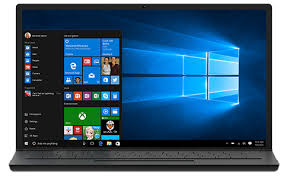
Free VPN Download for PC 2026: Protecting your online privacy is more important than ever, and a reliable VPN is one of the easiest ways to stay secure while browsing the internet. In 2026, several trusted VPN providers offer free plans for Windows PCs, allowing users to encrypt their internet connection, hide their IP address, and access the web more safely without paying for a subscription.
Whether you want to secure your data on public Wi-Fi, browse privately, access geo-restricted content, or simply improve your online security, a free VPN can be a great starting point. While free VPNs often come with limitations such as monthly data caps, fewer server locations, or reduced speeds, many reputable providers still deliver strong encryption, no-logs policies, and reliable performance for everyday use.
In this guide, we’ll review the best free VPNs to download for PC in 2026. We’ll compare their key features, security, speed, free plan limitations, and ideal use cases so you can choose the VPN that best fits your needs while keeping your online activity private and secure.
Why You Might Need a Free VPN on Your PC
Before jumping into downloads, let’s quickly cover why people use VPNs in the first place:
- Public Wi-Fi safety — Airports, cafes, and hotel networks are common targets for hackers. A VPN encrypts your connection so nobody on that network can snoop on your data.
- Access blocked content — Some websites and services are restricted based on your location. A VPN lets you connect through a server in another country to get around that.
- Hide your browsing from your ISP — Your internet provider can see every site you visit unless your traffic is encrypted.
- Avoid price discrimination — Flight and hotel booking sites sometimes show different prices depending on where you’re browsing from.
- Basic privacy — Simply not wanting random companies to track your online habits is reason enough for a lot of people.
A free VPN won’t do everything a paid one does, but the right one can genuinely cover the basics well.
What “Free” Actually Means in 2026
Before you download anything, it helps to understand there are two very different types of “free” VPN:
Truly free VPNs — No credit card needed, no trial period. You sign up and get a permanently free plan with some limitations, usually around data, speed, or server choice.
Free trials on paid VPNs — These give you full access to a premium service for a set number of days (often 7 or 30), backed by a money-back guarantee. Technically not “free forever,” but if you cancel before the trial ends, you don’t pay a thing.
Both approaches are covered below, so you can decide which fits your situation.
Free VPN Download for PC 2026:-Best Truly Free VPNs for PC
1. Proton VPN
Proton VPN is consistently the top pick when people talk about a genuinely free VPN, and it’s easy to see why. Unlike most free services, it doesn’t cap your data at all — you can browse, work, and stream as much as you want without hitting a wall.
Proton VPN is one of the most trusted free VPN services available in 2026, making it an excellent choice for Windows PC users who want strong privacy without paying for a subscription. Developed by the team behind Proton Mail, Proton VPN focuses on security, transparency, and user privacy. Unlike many free VPNs, its free plan offers unlimited data, allowing you to browse, work, and stream for as long as you need without worrying about monthly bandwidth limits.
The free version uses AES-256 encryption, secure VPN protocols such as WireGuard and OpenVPN, and a strict no-logs policy to help protect your online activity. It also includes DNS leak protection and a kill switch (on supported platforms), ensuring your real IP address remains protected if the VPN connection drops. Proton VPN’s apps are available for Windows, macOS, Linux, Android, and iOS, with a simple interface that is easy for beginners to use.
Although the free plan provides access to a limited number of server locations and does not include premium features such as streaming-optimized servers, Secure Core, or the fastest VPN speeds, it remains one of the best free VPNs for secure everyday browsing. Users who need more server choices, faster performance, or support for streaming and gaming can upgrade to Proton VPN’s paid plans.
Practical example: Say you’re working from a co-working space and want to keep your emails and client files private on shared Wi-Fi. Proton VPN’s free plan handles that easily, running quietly in the background without slowing your connection down noticeably.
Pros:
- Unlimited data on the free plan — a rare find
- Strong encryption (AES-256) with a kill switch included
- No-logs policy backed by independent audits
- Clean, simple Windows app
Cons:
- Only about 10 free server locations, and you can’t manually pick one — it auto-connects you to the fastest option.
- Not reliable for streaming platforms
- Only one device connection at a time on free plan
- Torrenting isn’t supported on free servers
Best for: Everyday browsing, working securely on public Wi-Fi, and general privacy — not for streaming or downloading large files.
2. Windscribe
Windscribe strikes a nice balance between features and usability. It comes with its own built-in firewall setting that blocks your real IP from leaking even if the VPN connection drops unexpectedly — something a lot of free VPNs don’t bother offering.
Windscribe is one of the best free VPN services for PC in 2026, offering a strong balance of privacy, security, and performance. It is a popular choice among Windows users because the free plan includes generous monthly data, access to servers in multiple countries, and a wide range of security features that are often unavailable with other free VPNs.

The free version provides up to 10 GB of data per month when you register with an email address, making it suitable for browsing, streaming light content, downloading files, and securing your connection on public Wi-Fi. Windscribe uses AES-256 encryption along with secure protocols such as WireGuard, OpenVPN, and IKEv2 to keep your internet traffic protected. It also follows a no-identifying-logs policy and includes a built-in firewall (kill switch) to prevent IP leaks if the VPN connection is interrupted.
Windscribe offers user-friendly applications for Windows, macOS, Linux, Android, iOS, and browser extensions for Chrome and Firefox. The desktop app is simple to install and allows users to connect with a single click. While the free plan includes access to several server locations, premium subscribers receive unlimited data, additional countries, faster speeds, and advanced features such as Static IPs and broader streaming support.
Practical example: If you travel often and need to check whether a website looks different in another country — say, checking regional pricing on a shopping site — Windscribe gives you more location options than most free competitors.
Pros:
- 10GB of data per month (more than most free plans)
- Built-in firewall that prevents IP leaks if the connection drops
- Works on Windows, macOS, and browser extensions for Chrome and Firefox
- Can bypass some regional restrictions, including in heavily censored regions
Cons:
- 10GB monthly cap means it’s not suited for heavy streaming
- Server list is smaller compared to paid VPNs
- Browser extension doesn’t unblock every streaming platform
Best for: Users who want more location flexibility than Proton VPN offers, without needing unlimited streaming.
3. Hotspot Shield
If speed is your main concern, Hotspot Shield’s free Basic plan is worth trying. It’s built on a proprietary protocol designed specifically for fast connections, and unlike a lot of competitors, it doesn’t put a hard data cap on your usage.
Pros:
- No strict data limit on the Basic plan
- Noticeably fast speeds compared to most free VPNs
- Simple, beginner-friendly interface
Cons:
- Limited mostly to US-based servers
- Contains ads on the free version
- Doesn’t work with most streaming platforms
- Some versions cap daily data around 500MB, so check current terms before relying on it
Best for: Fast, casual browsing and light daily use — not for streaming or torrenting.
4. PrivadoVPN
PrivadoVPN has built a solid reputation for two things most free VPNs struggle with: streaming and torrenting. If those are your priorities, this is worth a look.
Pros:
- One of the few free VPNs that handles streaming reasonably well
- Supports torrenting on select servers
- Reasonable data allowance compared to other free plans
Cons:
- Fewer server locations than premium options
- Speeds can dip during peak hours
- Smaller company, so less of a public track record than bigger names
Best for: Users who specifically want a free option for streaming or torrenting without upgrading to a paid plan.
5. TunnelBear
TunnelBear is known for being simple and beginner-friendly, with a friendly interface that doesn’t overwhelm new users. It also has solid encryption for a free tool.
Pros:
- Very easy to set up, ideal for beginners
- Strong encryption standards
- Clean, uncluttered app design
Cons:
- Only 2GB of free data per month — enough for light browsing, not much else
- Server selection is limited on the free tier
- Not suitable for streaming or downloading large files
Best for: First-time VPN users who want something simple to test the waters.
6. Hide.me
If bypassing censorship is your main goal, Hide.me has built a reputation for helping users get around heavily restricted networks and firewalls.
Pros:
- Effective at bypassing censorship in restrictive regions
- Solid privacy policy
- Decent free data allowance
Cons:
- Torrenting is blocked on the free tier
- Fewer advanced features compared to paid competitors
- Speeds can be inconsistent depending on server load
Best for: Users in restrictive regions who need reliable access to blocked websites and services.
Free Trials Worth Considering (Premium VPNs)
If the limitations of truly free VPNs are too restrictive for what you need — like watching Netflix or torrenting safely — a short-term trial on a premium VPN might make more sense. These aren’t free forever, but if you cancel within the refund window, you pay nothing.
NordVPN
NordVPN backs every purchase with a 30-day money-back guarantee, which works like an extended free trial. During that window, you get full access to over 9,400 servers across 137 countries, strong streaming support, and solid torrenting speeds.
Practical example: If you need to watch shows on Netflix, Amazon Prime, or Disney+ that aren’t available in your region for a short trip or event, NordVPN handles this reliably during the trial period — something the truly free options above usually can’t.
ExpressVPN
ExpressVPN also offers a 30-day money-back guarantee, giving you a full month of unrestricted access, including its fast Lightway protocol and over 170 server locations. It’s particularly strong for torrenting.
Surfshark
Surfshark combines a 7-day free trial with a 30-day refund policy, and its CleanWeb feature blocks ads and malicious sites automatically. It also allows unlimited device connections, which is unusual even among paid VPNs.
Quick tip: If you go the trial route, set a reminder a day or two before the refund window closes. It’s easy to forget and end up paying for a subscription you didn’t mean to keep.
How to Download and Install a Free VPN on PC (Step by Step)
The process is nearly identical across most providers. Here’s the general flow:
- Visit the official website directly. Never download VPN software from third-party sites or random download portals — this is one of the most common ways people end up with malware disguised as a VPN.
- Create a free account. Most truly free VPNs just need an email address, no payment details required.
- Download the Windows app from the provider’s official download page.
- Run the installer and follow the on-screen setup steps.
- Log in with your new account inside the app.
- Choose a server location (or let the app auto-connect to the fastest one, depending on the provider).
- Click Connect, and check that your IP address has changed using a quick online IP checker.
The whole process usually takes under five minutes.
Are Free VPNs Actually Safe?
This is the question that matters most, and the honest answer is: it depends entirely on which one you choose. Independent testing has shown that a large share of free VPN apps leak identifiable user data, and some go further, logging your browsing activity and selling it to advertisers — the opposite of what a VPN is supposed to do.
That’s exactly why sticking to well-known, audited providers like the ones listed above matters. Avoid random free VPN apps you’ve never heard of, especially ones with no clear privacy policy or company background. If an app is completely free with no limits at all and no business model behind it, ask yourself how it’s making money — often, the answer is your data.
Free VPN Limitations You Should Expect
Even the best free VPNs come with trade-offs compared to paid plans:
- Data caps — Many free plans cap you at a few GB per month, which won’t stretch far if you stream or download often.
- Fewer server locations — You’ll typically get a handful of countries to choose from, compared to 60+ on paid plans.
- Slower speeds during peak hours — Free users are often placed in a lower-priority queue.
- Limited or no streaming access — Most streaming platforms actively block known free VPN server IPs.
- No torrenting on some services — Several free VPNs block P2P traffic entirely.
- Single device connections — Many free plans only let you connect one device at a time.
None of this means free VPNs are useless — it just means you should pick one based on what you actually need, rather than assuming any free VPN does everything.
Which Free VPN Should You Pick?
Here’s a simple way to decide:
- Just want basic privacy and security on your PC? Go with Proton VPN — unlimited data and strong security with minimal fuss.
- Need more server locations for checking regional content? Windscribe is the better fit.
- Want the fastest possible free connection for daily browsing? Hotspot Shield is worth trying.
- Need streaming or torrenting support without paying? PrivadoVPN covers both reasonably well.
- New to VPNs and want something simple? TunnelBear’s clean interface makes it the easiest starting point.
- Living in or traveling to a region with internet restrictions? Hide.me is built for that specific use case.
- Need full, unrestricted access temporarily? Use a 30-day trial on NordVPN, ExpressVPN, or Surfshark and cancel before it renews if you don’t want to keep paying.
Frequently Asked Questions
Is it safe to download a free VPN for my PC?
Yes, as long as you choose a well-known, audited provider like the ones covered in this guide. Avoid unfamiliar free VPN apps from third-party download sites, since many of them log or sell user data instead of protecting it.
Can a free VPN replace a paid one completely?
For basic browsing and public Wi-Fi protection, yes, a good free VPN can cover you well. For streaming, torrenting, or accessing many different server locations, you’ll likely hit limitations that only a paid plan solves.
Will a free VPN slow down my internet speed?
Some slowdown is normal with any VPN, since your traffic is being encrypted and rerouted. Free VPNs tend to show more noticeable slowdowns during peak hours since free users are often on shared, lower-priority servers.
Can I use a free VPN to watch Netflix or other streaming platforms?
Most free VPNs struggle here, since streaming platforms actively detect and block known VPN server IPs. PrivadoVPN performs better than most, but for reliable streaming access, a premium trial on NordVPN or ExpressVPN is a safer bet.
Do free VPNs work on both Windows 10 and Windows 11?
Yes, all the VPNs mentioned in this guide have apps that work on both Windows 10 and Windows 11.
Is torrenting safe with a free VPN?
It depends on the provider. Many free VPNs block P2P traffic entirely for bandwidth reasons. PrivadoVPN supports torrenting on select servers, while options like Proton VPN and Hide.me restrict it on their free tiers.
Do I need to give my credit card details for a truly free VPN?
No. Genuinely free VPNs like Proton VPN, Windscribe, and TunnelBear only require an email address to sign up — no payment information needed.
What’s the difference between a free VPN and a free trial?
A free VPN is permanently free with built-in limitations on data, speed, or servers. A free trial gives you full access to a paid VPN’s features for a limited time, usually backed by a money-back guarantee if you cancel before it ends.
Conclsion
A free VPN for your PC in 2026 can absolutely do the job — as long as you go in with realistic expectations and pick a provider that’s actually been tested for safety. Start with what matters most to you, whether that’s unlimited data, more server choices, or streaming support, and choose from the list above accordingly.