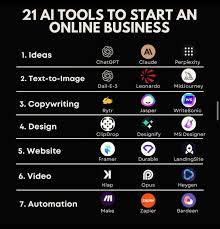
If you’ve been creating content for a while, you already know how exhausting the process can be. Writing a blog post, editing a video script, designing a social media graphic, repurposing old content — it never really ends. The good news? In 2026, there are more free tools available to help creators work faster, think more clearly, and produce better content without spending a rupee (or a dollar).
This guide, Free AI Tools for Content Creation 2026, covers the best free tools for writers and content creators in 2026. We’ll look at what each tool actually does, when to use it, what it’s good at, and where it falls short. No fluff, just practical help.

Why Free Tools Are Worth Your Time in 2026
A few years ago, most serious content creation tools required expensive subscriptions. That’s changed. A lot of platforms now offer genuinely useful free tiers — not just 7-day trials — because competition in the creator economy has pushed them to give more upfront.
Whether you’re a freelance writer, a YouTube creator, a small business owner writing your own blog, or a social media manager, you can get real work done without paying a cent, at least when you’re starting ou working on a budget.
Let’s get into it.
Free AI Tools for Content Creation 2026:-
1. Claude.ai (Free Tier) – Writing, Editing & Brainstorming
What it does: Claude is a writing assistant that helps you draft articles, rewrite paragraphs, brainstorm ideas, summarize long documents, and check tone. It’s especially good at producing natural-sounding writing that doesn’t feel robotic.

Practical example: You’re writing a product review for your blog, but you’re stuck on the introduction. You describe the product to Claude, mention your audience (say, budget-conscious shoppers), and ask for three different opening hooks. In under a minute, you have options to work with.
Best for: Blog writers, copywriters, newsletter creators, and anyone who writes a lot of text
Pros:
- Handles long-form content well
- Can match different tones (casual, formal, punchy)
- Useful for editing, not just writing
- Great at explaining complex topics simply
Cons:
- Free tier has message limits per day
- Doesn’t browse the internet by default on the free plan
- Not ideal for generating images or video content
2. Canva Free – Visual Content Creation
What it does: Canva is the go-to design tool for creators who aren’t designers. The free version includes thousands of templates for social media posts, YouTube thumbnails, blog banners, presentations, and more.
Practical example: You run a cooking Instagram account. Every Sunday, you batch-create your week’s posts using Canva templates. You pick a layout, swap in your photo, change the font colors to match your brand palette, and you’re done in 20 minutes instead of 2 hours.
Best for: Social media managers, bloggers needing blog graphics, content creators who aren’t designers
Pros:
- Drag-and-drop interface — no learning curve
- Massive library of free templates
- Works in the browser, no software to install
- Can export in multiple formats (PNG, PDF, MP4 for short animations)
Cons:
- Many premium elements (photos, graphics) require payment
- Limited storage on the free plan
- Not suitable for complex design work like logo creation from scratch
3. CapCut Free – Video Editing for Short-Form Content
What it does: CapCut started as a mobile app for quick video editing, and it’s grown into a full desktop tool as well. It’s especially popular among TikTok and Instagram Reels creators because of how fast it is to cut, caption, and export videos.

Practical example: You record a 10-minute tutorial and want to make a 60-second highlight for Reels. CapCut lets you cut the best moments, auto-generate captions (which you can edit), add background music from its library, and export — all in about 15 minutes.
Best for: Short-form video creators (TikTok, Reels, YouTube Shorts), podcasters making video clips
Pros:
- Auto-caption feature saves hours of manual work
- Easy trimming and transitions
- Mobile and desktop versions available
- Regular new features added
Cons:
- CapCut watermark on free exports (can be removed but requires extra steps)
- Advanced features like background removal are sometimes behind a paywall
- Not ideal for long-form video projects (YouTube documentaries, etc.)
4. Notion Free – Content Planning & Organization
What it does: Notion is a workspace tool that lets you build content calendars, store research notes, draft blog posts, and organize your entire creative workflow in one place.

Practical example: You’re managing a blog with three writers. You create a Notion database where each article has its own page — with the draft, the target keyword, the deadline, the editor’s notes, and the publish status. Everyone can see what’s happening without five different spreadsheets flying around.
Best for: Solo creators managing multiple projects, small content teams, bloggers who need structure
Pros:
- Very flexible — you build it how you want it
- Free tier is generous (unlimited pages for personal use)
- Works as a writing tool, planner, and database all in one
- Good for storing content templates and style guides
Cons:
- Takes time to set up the way you want it
- Can feel overwhelming at first with too many options
- Real-time collaboration on the free plan has some limitations
5. Hemingway Editor (Free Web Version) – Writing Clarity
What it does: The Hemingway Editor reads your writing and highlights sentences that are too complex, use passive voice, or are hard to follow. It gives your content a readability grade and shows you exactly what to fix.
Practical example: You’ve written a 1,200-word blog post, and you paste it into Hemingway. It highlights four sentences in red (very hard to read) and twelve in yellow (hard to read). You rewrite those, and your article goes from a Grade 14 reading level to Grade 8 — much easier for a general audience.
Best for: Blog writers, content marketers, anyone writing for a general audience
Pros:
- Completely free in the browser
- Gives instant feedback on clarity
- Simple, distraction-free interface
- Trains you to write better over time
Cons:
- No grammar checking — just readability
- Doesn’t consider context (sometimes flags intentionally complex sentences)
- The desktop app costs money (the web version is free)
6. Google Docs – Collaborative Writing & Storage
What it does: Most people already know Google Docs, but many creators underuse it. It’s a reliable, free word processor with real-time collaboration, built-in version history, and comment threads — which makes it ideal for content that goes through multiple rounds of editing.
Practical example: You’re a freelance writer submitting articles to a client. Instead of sending Word documents back and forth through email, you share a Google Doc. The client can leave comments directly on specific paragraphs, you make changes, and they can see the edits in real time. No version confusion.
Best for: Freelance writers, content agencies, and anyone collaborating on written content
Pros:
- Free, works in the browser, always saves automatically
- Excellent collaboration tools (comments, suggestions, history)
- Integrates with Google Drive for easy file management
- The voice typing feature is surprisingly useful for fast drafting
Cons:
- Formatting sometimes breaks when you export to Word
- Not great for very design-heavy documents
- Works best with a stable internet connection
7. Grammarly Free – Grammar & Spell Checking
What it does: Grammarly checks your writing for grammar mistakes, spelling errors, and punctuation issues as you type. The free version handles the basics well — it’s the premium tier that adds tone detection and style suggestions.
Practical example: You write a 600-word email newsletter on Monday morning before your first coffee. Grammarly catches three subject-verb agreement errors and a missing comma that you completely missed. Your readers get a clean, professional newsletter.
Best for: Everyone who writes — bloggers, newsletter creators, copywriters, social media managers
Pros:
- Works across platforms (browser extension, Google Docs, email)
- Catches errors in real time
- Free version handles most common mistakes well
- Easy to accept or ignore suggestions
Cons:
- Premium features (style suggestions, tone detector) cost money
- Occasionally, lags correct sentences as errors
- Can slow down older browsers slightly
8. Loom Free – Video Walkthroughs & Screen Recording
What it does: Loom lets you record your screen and your face at the same time, then instantly creates a shareable link. It’s great for content creators who teach, review products, or explain processes visually.
Practical example: You create a tutorial about setting up a WordPress blog. Instead of writing a 3,000-word how-to guide, you record a 12-minute Loom video walking through each step. You share the link in your newsletter. Readers get a clear walkthrough, and you spent 15 minutes instead of 3 hours.
Best for: Tutorial creators, course content, review videos, team communication
Pros:
- Instant shareable link — no uploading to YouTube required
- Clean, professional-looking recordings
- Viewers can leave timestamped comments
- Free tier allows recordings up to 5 minutes (as of 2026)
Cons:
- Free tier has a time limit per video
- Limited editing features (trimming is basic)
- Storage limits apply to the free plan
Quick Comparison: Which Tool Should You Pick?
| Your Need | Best Free Tool |
|---|---|
| Writing & editing blog posts | Claude.ai |
| Designing social media graphics | Canva |
| Editing short-form videos | CapCut |
| Organizing your content calendar | Notion |
| Making your writing easy to read | Hemingway Editor |
| Collaborating on articles | Google Docs |
| Fixing grammar & typos | Grammarly |
| Creating tutorial videos | Loom |
Tips for Using Free Tools Without Getting Frustrated
Combine tools, don’t rely on just one. A typical workflow might look like: brainstorm ideas in Claude → write a draft in Google Docs → clean it up with Hemingway → create the graphic in Canva → schedule it. No single tool does everything.
Check free tier limits before you build a workflow. Platforms change their pricing. Always confirm what’s free before you build your whole process around a tool.
Use free tools to test what works. Before spending money on premium plans, use the free versions to figure out which tools actually fit how you work. Most creators use 3–4 tools regularly, not a dozen.
Frequently Asked Questions
Are these tools really free, or do they have hidden costs?
All the tools listed here have genuine free tiers — meaning you can use them without entering payment information. Some, like Canva and Grammarly, will occasionally nudge you toward their premium plans, but the free version works without paying. Always check if a feature you need is behind a paywall before counting on it.
Which free tool is best for beginner bloggers?
If you’re just starting, Google Docs plus Hemingway Editor plus Grammarly is an excellent starting combo. They’re completely free, easy to use, and cover the basics of writing, clarity, and error-checking.
Can I use these tools for professional client work?
Yes, most of these tools are used by professionals every day. Many freelancers run their entire workflow on free tools, especially when starting. Just be aware of any watermarks (like CapCut) or limits that could affect the quality of your deliverables.
Is Canva’s free version enough for social media content?
For most creators, yes. The free version has thousands of templates and enough design elements to create good-looking content. You’ll hit limits if you need brand kits, premium stock photos, or certain advanced features — but for day-to-day social media work, the free tier is solid.
How do I decide which writing assistant to use?
It depends on what kind of writing you do most. If you write a lot of long-form content like blog posts, guides, or newsletters, Claude.ai is a strong choice. If your main need is grammar and spell-checking, Grammarly’s free version may be all you need. Try both and see which one fits your style.
Will free tools limit my growth as a creator?
Not at the start. Most successful creators begin with free tools and upgrade specific ones as their needs grow. The skill of creating good content matters far more than which premium software you’re using. Free tools in 2026 are powerful enough to help you build an audience, grow a portfolio, and generate income — before you ever need to spend on upgrades.
conclsion
The best tool for content creation is the one you’ll actually use. Don’t download eight apps and get overwhelmed. Pick two or three from this list that match what you’re already doing, and start there.
Free tools have come a long way. In 2026, you don’t need a big budget to create professional, polished content. You need consistency, a basic workflow, and the right tools for the job. Everything on this list gives you a real starting point — no credit card required.
Start small, build your process, and upgrade when you genuinely need more. That’s how most successful creators do it.