
free VPN for your computer in 2026, there are more options than ever for Windows, macOS, and even Linux users. A free VPN can help protect your privacy on public Wi‑Fi, encrypt your internet connection, access region‑restricted content, and add an extra layer of security while browsing. However, not all free VPNs are created equal—some have data limits, fewer server locations, or slower speeds than premium services.
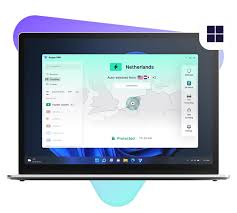
In this guide, we’ll show you how to download a free VPN for your computer in 2026, explain the key features to look for, and compare the most reliable free VPN providers available today. Whether you need a VPN for everyday browsing, streaming, remote work, or online privacy, choosing a trusted service is essential for both security and performance.
We’ll also cover important considerations such as data limits, speed, server availability, privacy policies, and compatibility with Windows 10, Windows 11, and macOS so you can find the best free VPN that fits your needs.
Download Free VPN Computer free VPN for your computer in 2026? You’re not alone. Millions of people search for this every month, whether they want to protect their privacy, unblock a streaming site, or just browse without worrying about who’s watching. The good news is that free VPNs for PC and Mac have gotten a lot better over the past couple of years. The bad news is that not all of them are trustworthy, and picking the wrong one can actually put your data at more risk than not using a VPN at all.
This guide walks you through everything you need to know before downloading a free VPN on your computer in 2026 — which ones are actually safe, what limitations to expect, and how to avoid the common traps that catch out first-time users.
Why People Are Still Searching for Free VPNs in 2026
Even with paid VPNs becoming more affordable, free options remain popular for a simple reason: not everyone wants to commit money to something they might use occasionally. A student trying to access a research paper blocked in their region, a remote worker on public airport Wi-Fi, or someone who just wants an extra layer of privacy while shopping online — these are everyday situations where a free VPN can genuinely help.
The tricky part is that “free” doesn’t always mean what you think it means. Some apps make money by selling your browsing data. Others limit your speed so badly that browsing becomes painful. A few have even been caught with malware bundled inside the installer. So before you type “download free VPN” into a search bar and click the first result, it helps to know what separates a decent option from a risky one.
What Makes a Free VPN Safe (or Not)
Here’s a simple checklist you can use whenever you’re evaluating any VPN, free or paid:
Look for a clear no-logs policy. This means the company states in writing that it doesn’t track or store your browsing activity. If a VPN’s website doesn’t mention this at all, that’s a red flag.
Check who owns the company. Some free VPNs are run by data-harvesting firms in disguise. A quick search of the company name plus “privacy policy” or “data collection” usually reveals a lot.
Avoid apps with excessive permissions. If a free VPN app for Windows or Mac wants access to your contacts, camera, or files, that has nothing to do with what a VPN actually needs to do.
Read recent reviews, not just the app store rating. Ratings can be inflated. Look at written reviews from the last few months to catch any recent issues with speed drops, ads, or crashes.
Best Free VPN Options for Computer in 2026
Below are some of the more reliable free VPN choices available this year. Keep in mind that free tiers usually come with limitations like data caps or fewer server locations, but these are generally considered safer starting points than random unknown apps.
1. ProtonVPN Free
ProtonVPN has built a strong reputation for privacy, largely because it comes from the same team behind ProtonMail, an encrypted email service based in Switzerland. Its free tier for Windows and Mac doesn’t put a cap on your data usage, which is rare among free VPNs. The catch is that you only get access to servers in three countries, and speeds can be inconsistent during peak hours.
Proton VPN Free is one of the best free VPNs available for computers in 2026, offering strong security and a privacy-focused approach without requiring a paid subscription. Developed by the team behind Proton Mail, the service is designed to protect your online activity with industry-standard encryption and a strict no-logs policy. Unlike many free VPNs, Proton VPN Free does not display ads or sell user data, making it a trustworthy option for privacy-conscious users.
One of Proton VPN Free’s biggest advantages is that it offers unlimited data, allowing you to browse, stream, and work online without worrying about monthly bandwidth limits. While the free plan provides access to a limited number of server locations and does not include premium features such as the fastest servers, streaming-optimized servers, or advanced security tools, it is more than sufficient for everyday browsing and protecting your connection on public Wi-Fi.
The application is available for Windows, macOS, Linux, Android, and iOS, making it easy to secure all of your devices with a single account. Installation is straightforward, and the user-friendly interface allows even beginners to connect to a VPN server with just one click.
Example use case: A freelance writer who needs to check if her portfolio site is loading correctly for users in a different country. She doesn’t need blazing speed, just a reliable way to change her virtual location for testing.
2. Windscribe Free
Windscribe gives free users about 10GB of data a month, which is generous compared to most competitors. It also has a useful feature called R.O.B.E.R.T., a customizable ad and tracker blocker built into the app itself. The desktop app for Windows and Mac is fairly lightweight and doesn’t hog system resources.
Windscribe Free is a popular free VPN for computers in 2026, offering an excellent balance of privacy, security, and useful features. It is ideal for users who want a reliable VPN for everyday browsing, protecting personal data on public Wi-Fi, and accessing content from multiple regions without paying for a subscription. Windscribe follows a privacy-first approach and includes strong encryption to help keep your internet activity secure.

The free plan provides up to 10 GB of data per month when you verify your email address, which is enough for regular web browsing, online banking, and light streaming. Users can connect to servers in several countries, giving them more location choices than many other free VPN services. Windscribe also includes useful security features such as a built-in ad and tracker blocker (R.O.B.E.R.T.), DNS leak protection, and a firewall that helps prevent accidental exposure of your real IP address if the VPN connection drops.
Windscribe offers easy-to-use applications for Windows, macOS, Linux, Android, iOS, and popular web browsers, making it simple to protect multiple devices with one account. The desktop app is beginner-friendly while still providing advanced settings for experienced users.
Example use case: Someone working from a co-working space who wants to block intrusive ads and trackers while also hiding their browsing from the shared network’s admin.
3. Hide.me Free
Hide.me offers 10GB monthly data with access to five server locations. It’s known for a clean, no-nonsense interface, which makes it a good pick for people who aren’t tech-savvy and just want something that works without a lot of settings to configure.
Hide.me Free is a trusted free VPN for computers in 2026, offering a strong combination of privacy, security, and ease of use. It is a good choice for users who want to protect their internet connection while browsing, working remotely, or using public Wi-Fi without paying for a premium VPN. The service is known for its transparent privacy practices, modern encryption, and user-friendly applications.

The free plan includes 10 GB of data per month, which is suitable for everyday activities such as web browsing, checking email, online shopping, and light video streaming. Users can connect to a selection of free server locations, allowing them to secure their connection and browse with a different IP address. Hide.me uses strong encryption and supports secure VPN protocols, helping protect your personal information from hackers, trackers, and other online threats. It also maintains a strict no-logs policy, meaning it does not record your browsing activity.
Hide.me provides dedicated applications for Windows, macOS, Linux, Android, iOS, and other supported platforms, making it easy to secure multiple devices. The desktop app is simple to install and includes useful features such as a kill switch, split tunneling on supported platforms, and DNS leak protection for enhanced privacy.
Example use case: A parent who wants a straightforward way to access a cooking website that’s geo-blocked in their country, without dealing with complicated menus.
4. TunnelBear Free
TunnelBear caps free users at 2GB a month, which is on the lower side, but it makes up for it with a genuinely friendly interface and strong transparency — it publishes independent security audits every year, something not many VPN providers bother doing.
Example use case: Someone who only needs a VPN occasionally, like once or twice a week, to check email safely while traveling.
5. Atlas VPN Free (Now Part of NordVPN)
Atlas VPN‘s free plan, now folded into the NordVPN family, includes unlimited data on a limited number of servers. It’s decent for basic browsing but not ideal for heavier tasks like streaming.
Example use case: A student researching for an assignment who needs quick, unrestricted access without worrying about hitting a data limit mid-task.
Pros and Cons of Using a Free VPN on Your Computer
Before you install anything, it’s worth being realistic about what free VPNs can and can’t do.
Pros
- No upfront cost. You get some level of privacy and access without spending money, which is helpful if you’re just testing whether a VPN fits your needs.
- Good for occasional use. If you only need a VPN a few times a month, a free plan can cover that without pushing you toward a subscription you won’t use often.
- Easy to set up. Most free VPNs for PC and Mac install in a couple of minutes with no complicated configuration.
- Useful for basic privacy on public Wi-Fi. Coffee shops, airports, and hotels are common spots where a free VPN adds a real layer of protection.
Cons
- Data limits. Most free plans cap you between 2GB and 10GB a month, which runs out fast if you stream video or download large files.
- Slower speeds. Free servers are usually more crowded, so expect some lag, especially during busy hours.
- Fewer server locations. You might not be able to connect to the specific country you need.
- Some free VPNs are risky. A handful of shady providers log and sell user data, which defeats the entire purpose of using a VPN in the first place.
- Occasional ads or upgrade prompts. Free versions often nudge you toward the paid plan with pop-ups or banners.
How to Download and Set Up a Free VPN on Your Computer (Step-by-Step)
- Pick a provider from a trusted list (like the ones mentioned above) rather than searching blindly and clicking the first ad you see.
- Go to the official website — never download VPN software from a third-party file-sharing site, since these are common sources of malware.
- Create a free account, usually just needing an email address.
- Download the Windows or Mac installer and run it like any other application.
- Log in and connect to a server. Most apps let you pick a country or just hit “Quick Connect” for the fastest available option.
- Check your connection by visiting a site like whatismyipaddress.com to confirm your location has changed.
This whole process usually takes less than five minutes, even for someone who’s never used a VPN before.
Free VPN vs Paid VPN: Which One Do You Actually Need?
This depends a lot on how you plan to use it.
If you’re someone who just wants occasional privacy while browsing, checking email on public Wi-Fi, or unblocking a website here and there, a free VPN is probably enough. But if you plan to stream shows regularly, work remotely and rely on a VPN daily, or need consistently fast speeds, a paid plan will save you a lot of frustration. Paid VPNs typically offer unlimited data, way more server locations, and better speeds since they’re not overloaded with free users sharing bandwidth.
A practical approach many people take is starting with a free plan to see if they even like using a VPN regularly, then upgrading once they know it fits into their routine.
Common Mistakes to Avoid
Downloading from random pop-up ads. If you see an ad claiming “Fastest Free VPN — Download Now!” on a random website, skip it. Stick to the provider’s official site.
Ignoring the privacy policy. It sounds boring, but a five-minute skim can tell you whether a company sells your data.
Assuming free means completely safe. Free doesn’t automatically mean risky either — it just means you need to do a bit more homework before trusting it.
Forgetting to disconnect when not needed. Some free plans have very limited data, so leaving the VPN running in the background can eat through your monthly allowance quickly.
Is It Legal to Use a Free VPN?
In most countries, yes, using a VPN is completely legal. It’s a common tool used by businesses, journalists, and everyday users for privacy and security. That said, a small number of countries restrict or ban VPN use entirely, so it’s worth checking your local regulations if you’re unsure. Also keep in mind that while using a VPN itself is legal almost everywhere, using it to access content that violates a service’s terms (like unlocking a paid streaming library you don’t subscribe to) may go against that platform’s own rules, even if it’s not illegal.
Frequently Asked Questions
Is there a completely free VPN with no data limit?
ProtonVPN’s free plan is one of the few that doesn’t cap your monthly data, though it limits you to fewer server locations compared to paid plans.
Can I use a free VPN for streaming?
Technically yes, but most free VPNs aren’t built for it. Data caps run out fast with video streaming, and many streaming platforms actively block known VPN server IPs, including free ones.
Do free VPNs slow down my internet speed?
Some slowdown is normal since free servers handle more users at once. The amount varies by provider — Windscribe and Hide.me tend to hold up reasonably well compared to lesser-known apps.
Are free VPNs safe to use on Windows and Mac?
Reputable ones are generally safe, especially those with published privacy policies and independent security audits. Avoid unknown apps with poor reviews or vague ownership details.
Do I need to pay eventually if I use a free VPN?
Not necessarily. Many people use free VPNs long-term for light, occasional needs. You’d only need to upgrade if you require more data, faster speeds, or additional server locations.
Can a free VPN protect me on public Wi-Fi?
Yes, this is actually one of the best use cases for a free VPN. It encrypts your connection, making it much harder for anyone else on the same network to intercept your data.
Conclsion
Downloading a free VPN for your computer in 2026 is a reasonable choice if you go about it carefully. Stick to well-known providers with transparent privacy policies, understand the trade-offs like data caps and slower speeds, and avoid downloading random apps from unfamiliar sources. For light, occasional use, options like ProtonVPN, Windscribe, or Hide.me offer a decent balance of safety and usability without costing anything. If your needs grow beyond casual browsing, upgrading to a paid plan later is always an option — but there’s no harm in starting free and seeing how it fits your daily habits first.