Best AI Tools for Video Script Writing in 2026: A Practical Guide for Creators
Writing video scripts is one of those tasks that sounds simple until you’re actually doing it. You need a hook that grabs attention in the first five seconds, a middle section that keeps people watching, and an ending that makes them do something — subscribe, click, buy, share. Doing all of that consistently, across multiple videos, every week, is genuinely hard work.
That’s where scriptwriting tools have become game-changers for creators in 2026. Whether you run a YouTube channel, create content for clients, or produce videos for your brand, the right tool can cut your scripting time significantly and help you produce better content more consistently.
This guide covers the best tools available right now, what each one does well, where they fall short, and which type of creator each one suits best.
Creating engaging video content starts with a great script. Whether you’re a YouTuber, marketer, educator, podcaster, or social media creator, writing compelling scripts consistently can be time-consuming. In 2026, AI-powered scriptwriting tools will be more advanced than ever, helping creators generate ideas, structure content, improve storytelling, and write complete video scripts in minutes.
The best AI tools for video script writing can assist with everything from YouTube videos and short-form content to advertisements, tutorials, product reviews, and business presentations. These tools help creators overcome writer’s block, save time, and maintain a consistent content production schedule while keeping scripts engaging and audience-focused.
In this guide, we’ll explore the best AI tools for video script writing in 2026, comparing their features, strengths, pricing, and ideal use cases. Whether you’re a beginner creating your first video or a professional content creator managing multiple channels, these tools can help you produce high-quality scripts faster and more efficiently.
Why Script Writing Tools Matter for Video Creators
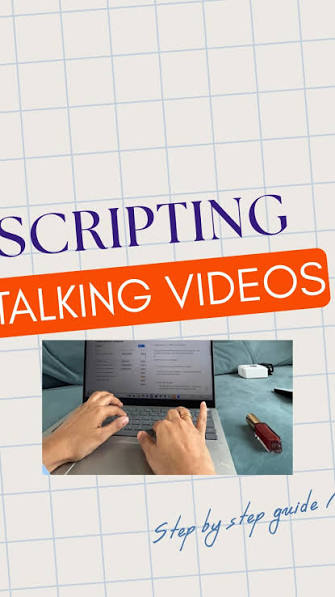
Before the list, it’s worth understanding what these tools actually do — and what they don’t.
A good script writing tool helps you:
- Generate structured scripts with intros, body sections, and CTAs
- Overcome the blank page problem when you don’t know where to start
- Match a tone of voice — casual, professional, educational, conversational
- Repurpose existing content (a blog post, a podcast transcript) into a video script
- Write faster so you can publish more frequently
What they don’t do is replace your creative judgment. The best creators use these tools as a starting point, then edit heavily to match their voice and add personal stories or examples that no tool can invent for them.
With that in mind, here are the top picks for 2026.
Best AI Tools for Video Script Writing in 2026
1. Jasper — Best for Professional Content Teams
Jasper has been around long enough to become a go-to for marketing teams and agencies. Its video script template is one of the more polished options out there. You give it a topic, a target audience, a tone, and a rough structure, and it produces a full script draft with scene descriptions, dialogue, and CTAs.
What makes Jasper work well for video is its “Brand Voice” feature. You can train it on your existing content — past scripts, blog posts, product pages — and it starts writing in a style that actually sounds like you. For teams managing multiple content creators, this is a big deal. Everyone’s output starts to feel consistent.
Practical example: Say you run a SaaS company and need a two-minute explainer video for a new feature. You plug in the feature name, target persona (say, a project manager), and the key benefit. Jasper drafts an opening hook, a problem-solution body, and a clear CTA — all in under two minutes. You then spend another 10–15 minutes refining the language and adding a specific customer example.
Pros:
- Excellent brand voice customization
- Wide range of templates, including YouTube scripts, ad scripts, and explainers
- Collaboration features for teams
- Integrates with Surfer SEO for keyword-optimized scripts
- Reliable output quality
Cons:
- Expensive — pricing starts around $49/month
- Can feel over-polished; sometimes needs significant editing to sound human
- Free trial is limited and requires a credit card
- Not ideal for solo creators on a tight budget
Best for: Marketing teams, agencies, and brands producing video content at scale.
2. Copy.ai — Best for Solo Creators and Freelancers
Copy.ai is one of the more accessible options for individual creators. It has a free plan that’s actually usable, a clean interface, and a dedicated video script workflow that walks you through the process step by step.
You start by entering your video topic, then choose the format (YouTube video, short-form reel, product demo, etc.), and the tool generates a structured draft. The output tends to be more conversational and less corporate than some competitors, which works well for YouTube and social content.
One of the standout features is the “Freestyle” mode, where you can talk to the tool like you’re briefing a writer — describing what you want in plain language — and it translates that into a script structure.
Practical example: You’re a fitness creator making a YouTube video called “5 reasons your diet isn’t working.” You type that topic into Copy.ai’s video script tool, pick a casual tone, and it generates a hook, five numbered points each with a brief explanation, and a closing section. You take that outline and flesh it out with your own experiences and advice. Total time: maybe 20 minutes instead of an hour.
Pros:
- Free plan available (limited but functional)
- Beginner-friendly interface
- Good for short-form and long-form scripts
- Conversational output tone
- Affordable paid plans
Cons:
- Output can be generic without detailed prompting
- Less powerful brand voice customization than Jasper
- Research and fact-checking are entirely on you
- Some templates feel repetitive after extended use
Best for: Solo YouTube creators, freelancers, and beginners looking for an affordable starting point.
3. Writesonic — Best for YouTube-Specific Scripts
Writesonic has put noticeable effort into its YouTube script features specifically. It has a dedicated YouTube script generator that factors in things like watch time, hook strength, and viewer retention — concepts that most generic writing tools ignore entirely.
The tool lets you input a keyword or topic, your channel niche, and approximate video length, and it structures the script accordingly. It even gives you suggestions for B-roll moments — points where the visuals should shift — which is a thoughtful touch for creators who are also editing their own footage.
Writesonic also has a “Chatsonic” feature that functions like a research assistant. You can ask it to pull in current information to make your scripts more accurate and relevant before writing begins.
Practical example: You’re making a tech review video about a new laptop. You enter the product name and the target audience (budget buyers vs. power users), and Writesonic generates a script that includes an intro hook, spec breakdown, real-world use case scenarios, a comparison section, and a verdict. The structure alone saves significant planning time.
Pros:
- YouTube-specific script templates
- B-roll suggestions included
- Research assistant integrated into the workflow
- Multiple output lengths and formats
- Competitive pricing
Cons:
- Quality varies depending on how specific your prompt is
- Can produce filler sentences that need trimming
- Interface takes a little time to learn
- Some advanced features locked behind higher-tier plans
Best for: YouTube creators who want a tool built with video-specific structure in mind.
4. Descript — Best for Script + Production in One Place
Descript is a different kind of tool. It’s not just a script writer — it’s a full video production environment where the script and the video live together. You write your script in Descript, record your video, and the tool automatically transcribes and syncs everything. If you edit the transcript text, it edits the video.
For scripted content creators, this removes a lot of the back-and-forth between writing software and editing software. You write, record, fix mistakes by editing text, and export — all in one place.
The script-writing side is more basic compared to Jasper or Writesonic, but Descript has improved its built-in writing tools considerably. You can generate script drafts, use teleprompter mode while recording, and share scripts with collaborators for review before filming.
Practical example: You’re a course creator making a 10-part tutorial series. You write all 10 scripts inside Descript, record each session using the teleprompter view, and the tool transcribes everything as you go. If you stumble on a line, you delete it from the transcript, and it removes it from the video. No separate editor needed.
Pros:
- Script and video editing in a single workflow
- Teleprompter built in
- Text-based video editing is a genuine time-saver
- Great for educators and course creators
- Solid collaboration features
Cons:
- Script generation features are less advanced than dedicated writing tools
- Can be overwhelming for beginners
- Higher pricing for teams
- Requires decent hardware to run smoothly
Best for: Creators who want to handle scripting, recording, and editing without switching between multiple tools.
5. Vidyo.ai — Best for Short-Form Script Repurposing
Vidyo.ai started as a tool for repurposing long videos into short clips, but its script-writing features have grown significantly. In 2026, it’s particularly strong at taking existing content — a blog post, a podcast transcript, or a long-form video — and turning it into scripts for Reels, Shorts, and TikToks.
If you already have a content library and want to squeeze more out of it, Vidyo.ai makes that process fast. You paste in your long-form content, tell it the platform you’re targeting, and it identifies the strongest moments and rewrites them as tight short-form scripts with hooks and CTAs built in.
Practical example: You have a 3,000-word blog post about home office setup tips. You paste it into Vidyo.ai, select Instagram Reels as the format, and it generates five separate 30-second scripts — each one built around a single tip with a punchy opening and a closing line that drives saves or follows.
Pros:
- Excellent for repurposing existing content
- Short-form platform-specific formatting
- Fast turnaround
- Good for high-volume short-form creators
- Affordable plans
Cons:
- Less useful if you’re starting scripts from scratch
- Not ideal for long-form YouTube content
- Output quality depends heavily on the source material
- Limited customization for tone and style
Best for: Creators focused on Reels, Shorts, and TikTok who want to repurpose long-form content efficiently.
6. ChatGPT (Custom Prompting) — Best Free Option
This one is less of a dedicated tool and more of a method. With the right prompting approach, ChatGPT remains one of the most flexible and capable script-writing resources available — and it has a functional free tier.
The key is how you prompt it. A vague request like “write me a YouTube script about fitness” produces a vague result. But a detailed prompt like “Write a 5-minute YouTube script for a beginner fitness channel. The topic is how to build a morning workout habit without a gym. Use a casual, friendly tone. Start with a relatable problem, include three practical tips with examples, and end with a CTA to subscribe.” This produces something genuinely usable.
Many experienced creators keep a library of prompt templates they’ve refined over time. Once you have prompts that work for your content style, the speed is hard to beat.
Practical example: A travel creator maintains a prompt template that includes their channel name, their usual video structure (hook → location intro → 3 tips → personal story → CTA), their tone notes, and their target audience. They paste in the template, swap out the destination name, and have a solid first draft in under a minute.
Pros:
- Free tier available
- Extremely flexible — works for any niche or format
- Fast once you have good prompts
- Handles long-form and short-form equally well
- No learning curve if you’re already using it for other tasks
Cons:
- Requires good prompt writing skills to get quality output
- No built-in video-specific structure or templates
- Easy to get generic results without detailed instructions
- No collaboration or brand voice features
Best for: Experienced creators comfortable with prompting who want maximum flexibility at low or no cost.
How to Choose the Right Tool for You
Here’s a simple way to decide:
You’re just starting and have a small budget → Copy.ai free plan or ChatGPT with custom prompts.
You run a YouTube channel and want scripts built for video → Writesonic.
You’re a brand or agency managing multiple creators → Jasper.
You want scripting and video editing in one place → Descript.
You create a lot of short-form content and repurpose long-form → Vidyo.ai.
You want the most flexibility with no fixed cost → ChatGPT with refined prompts.
Tips for Getting Better Script Output from Any Tool
Regardless of which tool you pick, these habits will improve your results:
Give context, not just a topic. The more you tell the tool about your audience, tone, and structure, the better the output. “Write a script about budgeting” is too thin. “Write a 7-minute YouTube script for 25–35-year-olds earning their first salary, covering three budgeting mistakes to avoid, in a conversational tone with humor” gives the tool something to work with.
Always edit before you film. Treat the output as a rough draft. Add your own stories, cut sentences that don’t sound like you, and trim anything that feels padded. The goal is a script you’d actually say out loud naturally.
Read it aloud before you record. What looks fine on screen sometimes sounds clunky when spoken. Reading your edited script aloud is the fastest way to catch awkward phrasing.
Build a template library. Once you find a prompt or structure that consistently works for your content style, save it. Reuse it with new topics instead of starting from scratch every time.
FAQs
Do I need to be a good writer to use these tools effectively?
Not really. These tools handle the heavy lifting of structure and phrasing. Your job is to give good input — a clear topic, target audience, and tone — and then edit the output to match your voice. Even if you struggle with writing, you can produce solid scripts by refining the tool’s drafts.
Can these tools write scripts for any video niche?
Yes, for the most part. They work across education, entertainment, business, finance, fitness, travel, tech, and more. Niche-specific accuracy depends on your prompting. For highly technical topics, you’ll need to fact-check and add specific details that the tool might get wrong.
How long does it take to generate a full video script?
Most tools generate a first draft in under two minutes. Editing and personalizing it typically takes another 15–30 minutes, depending on the video length and how much you want to change.
Are these tools good for ad scripts, not just YouTube?
Yes. Most of the tools on this list have specific templates for ad scripts — Facebook ads, YouTube pre-rolls, product demos, and so on. The structure for ad scripts is tighter and more focused on conversion, and the tools generally handle that well.
Will my scripts sound like everyone else’s if we all use the same tools?
Only if you use the raw output without editing. The differentiator is always your perspective, your stories, and your editing. Two creators using the same tool with the same topic will produce very different final scripts if they both put their own voice into the editing process.
Is there a free tool that works well for complete beginners?
Copy.ai’s free plan and ChatGPT’s free tier are both solid starting points. Copy.ai is more beginner-friendly with guided templates. ChatGPT is more powerful but requires some practice with prompting.
Can I use these tools for scripts in languages other than English?
Most of them support multiple languages, though English outputs tend to be the most polished. Jasper, Copy.ai, and Writesonic all have multilingual support. Results in other languages vary — always have a native speaker review scripts in other languages before filming.
Conclsion
Script writing tools in 2026 have matured to the point where they’re genuinely useful — not just as gimmicks, but as real workflow accelerators. The creators getting the most out of them are the ones who treat the output as a starting point rather than a finished product.
Pick one tool that fits your budget and workflow, spend a week testing it on real scripts, and see how much time it saves you. Even shaving 30 minutes off each script adds up to hours saved per month — time you can put into filming, editing, or growing your channel.
The best script is still the one that sounds like you. These tools just help you get there faster.