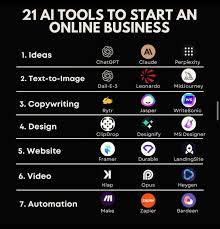
Video production used to take a full team — editors, motion designers, voiceover artists, and a solid post-production workflow. That’s still true for big-budget projects. But for content creators, marketers, YouTubers, and small businesses, the game has completely changed. A new wave of smart production tools has made it possible to go from a rough idea to a polished, publish-ready video in a fraction of the time.
This guide covers the best smart video production tools available in 2026 — what they do, who they’re built for, their real-world strengths, and where they fall short. Whether you’re making YouTube content, short-form reels, product explainers, or faceless videos, there’s something here for you.

Creating professional-quality videos has never been easier. In 2026, AI-powered video production tools help creators, businesses, educators, and marketers produce high-quality content in a fraction of the time required by traditional editing software. Whether you’re making YouTube videos, social media reels, marketing campaigns, product demos, online courses, or corporate presentations, the latest AI tools can automate editing, generate realistic voiceovers, create animations, remove backgrounds, and even produce complete videos from simple text prompts.
The best AI video production platforms combine powerful automation with intuitive interfaces, making them suitable for both beginners and experienced professionals. Many also support collaborative workflows, multilingual content creation, 4K exports, and advanced customization, helping teams create engaging videos faster while maintaining professional quality.
In this guide, we’ve rounded up the best AI tools for video production in 2026, comparing their key features, strengths, pricing, and ideal use cases. Whether you’re looking for a free solution or a premium platform for commercial video production, you’ll find the right tool to streamline your workflow and create impressive videos with less effort.
Why Smart Video Tools Are Worth Your Attention in 2026
The average viewer now consumes over 100 minutes of video content per day. Platforms like YouTube, Instagram Reels, and TikTok reward consistent posting schedules. If you’re running those channels alone — or with a tiny team — the bottleneck has always been production time.
The new generation of video production tools solves exactly that. They handle the repetitive parts: trimming silence, generating subtitles, matching visuals to a script, creating voiceovers, and even producing entire video drafts from a text prompt. What used to take 8–10 hours of editing can now take under an hour.
The tools below are organized by use case, so you can jump to what matters most.
1. Runway ML — Best for Advanced Visual Editing
Runway ML is one of the most powerful AI-powered video production platforms available in 2026, making it a top choice for creators, filmmakers, marketers, and creative professionals who need advanced visual editing capabilities. Its intuitive web-based interface combines professional-grade editing tools with AI automation, allowing users to produce high-quality videos without requiring extensive editing experience.
One of Runway ML’s standout features is its text-to-video and image-to-video generation, which lets users create cinematic clips from simple prompts or transform still images into dynamic videos. The platform also offers advanced tools such as background removal without a green screen, object removal, motion tracking, frame interpolation, AI upscaling, and inpainting for seamless video editing. These features significantly reduce the time spent on complex post-production tasks.

Runway ML also supports AI-powered video expansion, style transfer, automatic masking, and realistic visual effects, making it suitable for advertisements, social media content, music videos, short films, product demonstrations, and creative storytelling. Teams can collaborate in the cloud, simplifying project sharing and workflow management.
The platform integrates well with popular creative workflows and allows users to export high-resolution videos suitable for YouTube, Instagram, TikTok, websites, and commercial marketing campaigns. While the free plan offers limited credits and export capabilities, the paid plans unlock higher-quality video generation, longer projects, faster rendering, and additional AI features.
What it does: Runway is one of the most capable video editing platforms built around smart automation. It lets you remove backgrounds from video in real time, generate short video clips from text descriptions, apply cinematic effects, and do frame-by-frame inpainting (removing or replacing objects in footage).
Who it’s for: Video editors, filmmakers, and content teams who work with raw footage and want professional-grade results without needing expensive software or a VFX studio.
Practical example: A solo travel creator can shoot raw b-roll footage with their phone, upload it to Runway, and use the background removal tool to place that footage over a completely different environment — no green screen needed.
Pros
- Extremely powerful visual generation and editing capabilities
- Constantly updated with new features
- Works with existing footage (you’re not starting from scratch)
- Web-based — no heavy software installation
Cons
- The free tier is very limited in terms of generation credits
- Steeper learning curve than beginner tools
- Some features take time to process
Pricing (2026): Free plan available; paid plans start at around $15/month.
2. Pictory — Best for Turning Scripts Into Videos

What it does: Pictory converts written content — blog posts, scripts, long-form articles — into short, branded videos. You paste in your text, and it automatically matches it to relevant stock footage, adds captions, and lets you drop in a voiceover.
Who it’s for: Bloggers, content marketers, and businesses that already have written content and want to repurpose it as video without hiring a production team.
Practical example: A digital marketing agency writes a 1,500-word blog post about social media strategy. They paste the article into Pictory, and within 20 minutes have a 90-second explainer video ready for LinkedIn — complete with auto-generated subtitles and background music.
Pros
- Extremely beginner-friendly
- Great for repurposing existing written content
- Auto-captions are accurate and save a lot of time
- Supports custom branding (logos, colors, fonts)
Cons
- Stock footage library, while large, sometimes doesn’t match niche topics
- Not ideal for creators who shoot their own footage
- Limited animation or motion design capabilities
Pricing: Starts around $23/month; higher tiers unlock longer videos and more exports.
3. HeyGen — Best for Realistic Spokesperson Videos
What it does: HeyGen lets you create videos featuring a realistic digital presenter — either a pre-built avatar or a custom one built from your own image or video. You type a script, pick an avatar, choose a voice, and the platform generates a natural-looking presenter video.
Who it’s for: Businesses, course creators, and marketers who want spokesperson-style videos without hiring talent or setting up a camera.
Practical example: An e-commerce brand selling fitness products wants to create product explainer videos in five different languages. Instead of hiring translators and re-recording each video, they use HeyGen to generate lip-synced versions in Hindi, Spanish, Portuguese, French, and German — using the same avatar.
Pros
- Multilingual support with surprisingly accurate lip-sync
- Saves huge amounts of time on spokesperson content
- Custom avatars make content feel brand-specific
- No camera, studio, or on-camera talent needed
Cons
- Avatar videos can still look slightly artificial on close inspection
- Less suitable for highly emotional or narrative-driven content
- Custom avatar creation requires a video submission
Pricing: Free plan available; paid plans start at $29/month.
4. Descript — Best for Editing Video Like a Document
What it does: Descript transcribes your video automatically, then lets you edit the video by editing the transcript. Delete a sentence from the text, and it cuts that section from the video. It also has overdub features (for fixing audio), filler word removal, and screen recording.
Who it’s for: Podcasters turning content into video, YouTubers, educators, and anyone who finds traditional timeline editing frustrating.
Practical example: A financial educator records a 20-minute lesson with several “uhhs,” long pauses, and a few stumbles. Instead of scrubbing through the timeline, they open Descript, read the auto-generated transcript, highlight the mistakes and filler words, and delete them. Total cleanup time: 10 minutes.
Pros
- Editing by transcript is a genuine game-changer for spoken-word content
- Filler word removal (um, uh, like) is fast and accurate
- Built-in screen recording is useful for tutorials
- Overdub lets you fix audio mistakes with a cloned voice
Cons
- Not ideal for heavily visual or b-roll-driven content
- Advanced features require higher-tier plans
- Overdub voice cloning requires significant sample audio
Pricing: Free plan exists; paid plans from $24/month.
5. Synthesia — Best for Corporate and Training Videos
What it does: Synthesia is built specifically for professional, corporate-style video production. You write a script, choose an avatar (or create a custom one), pick a background scene, and generate the video. It supports 130+ languages and is widely used for internal training, onboarding, and product demos.
Who it’s for: HR teams, L&D professionals, SaaS companies, and enterprises that need to produce structured video content at scale.
Practical example: A software company rolls out a new internal tool. Instead of scheduling a Zoom walkthrough for every new hire, the HR team creates a 5-minute onboarding video in Synthesia — available in English, French, and German — and embeds it in the company wiki.
Pros
- Extremely clean and professional output
- Large library of avatars, templates, and backgrounds
- Excellent language support
- Easy for non-technical users to produce polished content
Cons
- Output style is formal — not great for casual or entertainment content
- Less flexible for creative storytelling
- Higher pricing compared to consumer tools
Pricing: Starts at $29/month for personal plans; enterprise pricing is separate.
6. CapCut (Pro) — Best All-in-One Mobile and Desktop Editor
What it does: CapCut started as a mobile editor and has evolved into a full desktop suite with smart features built in — auto captions, background removal, voice changer, beat sync, noise removal, and even script-to-video generation. It’s free to use with optional pro upgrades.
Who it’s for: Short-form content creators, TikTokers, Instagram Reels creators, and small business owners who want fast results without complicated software.
Practical example: A food blogger shoots a 60-second recipe reel on their phone, imports it into CapCut mobile, adds auto-captions in two taps, applies a trending audio track with beat-sync, and posts directly to TikTok — all in under 15 minutes.
Pros
- Free tier is genuinely generous
- Excellent for short-form content
- Cross-platform (mobile and desktop)
- Very low learning curve
- Fast auto-caption generation
Cons
- Less suited to long-form content or complex edits
- Some advanced features are locked behind the Pro subscription
- Templates can make content look generic if not customized
Pricing: Free; CapCut Pro at around $9.99/month.
7. OpusClip — Best for Repurposing Long Videos Into Short Clips
What it does: OpusClip takes a long-form video — a YouTube video, webinar, podcast recording, or interview — and automatically identifies the most engaging moments, cuts them into short clips, adds captions, and formats them for vertical or horizontal playback.
Who it’s for: Podcasters, YouTubers, course creators, and anyone who wants to turn a 60-minute recording into 10 shareable clips for social media.
Practical example: A business coach records a 45-minute webinar. They upload it to OpusClip, and within minutes have 8 short clips — each between 30 and 90 seconds — ranked by engagement score, captioned, and formatted for Instagram, TikTok, and LinkedIn.
Pros
- Saves enormous time on content repurposing
- Engagement scoring helps identify the strongest clips
- Auto-captions are clean and accurate
- Supports multiple output formats and aspect ratios
Cons
- Clip selection isn’t always perfect — some manual curation still needed
- Not useful if your source video is low quality
- Limited branding customization on lower plans
Pricing: Free plan available; paid plans start at $15/month.
8. Lumen5 — Best for Social Media Video Marketing
What it does: Lumen5 is built for marketers. It takes a URL, blog post, or script and converts it into a social-media-ready video using its media library, brand kit integration, and template system. It’s optimized for quick output — not deep editing.
Who it’s for: Social media managers, marketing teams, and small businesses that need branded video content on a consistent schedule.
Practical example: A SaaS startup wants to turn each of their weekly blog posts into a LinkedIn video post. Their marketing manager uses Lumen5 every Monday morning — pastes the blog URL, adjusts the generated storyboard, applies brand colors, and exports within 30 minutes.
Pros
- Very fast for marketing teams with existing written content
- Strong brand kit and template system
- Good stock media library
- Simple and clean interface
Cons
- Less creative flexibility than tools like Runway or Descript
- Output feels templated if not customized
- Not suitable for footage-based or long-form video
Pricing: Free plan available; paid plans from $29/month.
How to Choose the Right Tool for Your Workflow
| Use Case | Best Tool |
|---|---|
| Editing raw footage | Runway ML |
| Repurposing blog posts | Pictory or Lumen5 |
| Spokesperson/avatar videos | HeyGen or Synthesia |
| Podcast/interview editing | Descript |
| Short-form social content | CapCut |
| Clipping long videos | OpusClip |
| Corporate/training content | Synthesia |
The best approach is to pick one primary tool based on your main content type, then add a second tool for a specific gap in your workflow. For example, a YouTuber might use Descript for editing long-form videos and OpusClip to repurpose them into Shorts.
Tips for Getting Better Results From These Tools
Start with a clean script. Most of these tools work from text input. The clearer and more structured your script, the better the output. Short sentences and natural language tend to perform best.
Use your own branding. Almost every tool on this list supports logos, brand colors, and fonts. Set these up from day one so your content looks consistent across platforms.
Always review before publishing. These tools are fast, but they’re not perfect. Spend 5–10 minutes reviewing the generated output before hitting publish — especially for captions, which can occasionally misfire on technical terms or accents.
Don’t try to do everything in one tool. Mixing two tools — one for creation and one for repurposing — often produces better results than forcing a single platform to do everything.
FAQs
Q: Do I need any video editing experience to use these tools?
No. Tools like Pictory, CapCut, Synthesia, and HeyGen are specifically built for beginners. You don’t need prior editing knowledge to get professional-looking results.
Q: Which tool is best for making faceless YouTube videos?
Pictory and Lumen5 are strong choices for faceless content — they combine stock footage with your script and voiceover automatically. HeyGen works well too if you want an on-screen presenter without showing your face.
Q: Can I use these tools for videos in Indian languages like Hindi?
Yes. HeyGen and Synthesia both support Hindi and several other Indian languages, including for voiceovers and avatar lip-sync. CapCut also supports multilingual captions.
Q: Are free plans good enough to start with?
For testing and occasional use, yes. CapCut’s free plan is particularly generous. Runway, Pictory, and OpusClip all offer free tiers with enough features to evaluate whether the tool fits your workflow before committing to a paid plan.
Q: How long does it take to generate a video using these tools?
For short videos (under 3 minutes), most tools take between 2 and 10 minutes to generate output. Longer or more complex generations — like realistic avatar videos or heavy visual effects — may take longer depending on the platform’s processing queue.
Q: Which tool is best for repurposing podcast content into video?
OpusClip and Descript are the top choices. Descript handles editing and cleanup; OpusClip handles clipping and reformatting for social media. Used together, they cover the full podcast-to-video repurposing workflow.
Q: Is my content safe when I upload it to these platforms?
Each platform has its own data policy. For sensitive business content, always review the terms of service and privacy policy before uploading. Synthesia and Descript, in particular, have enterprise-grade security options for teams with stricter requirements.
Conclsion
Video production doesn’t have to be slow, expensive, or complicated. The tools covered in this guide have made it realistic for solo creators and small teams to produce high-quality content at a pace that keeps up with modern publishing demands.
If you’re just getting started, CapCut is a zero-cost entry point that grows with you. If you’re running a content business or marketing team, investing in Descript, OpusClip, or HeyGen will pay off quickly in time saved. And if you want the most powerful visual capabilities available, Runway ML is in a category of its own.
Pick one tool, learn it well, and build from there. That’s the fastest way to turn your video ideas into published content — consistently and without burning out.