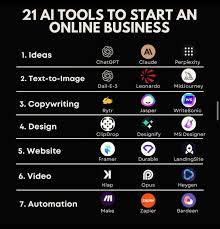
Video creation has changed more in the last two years than in the previous ten. Editing that used to take a full day now takes an hour. Scripts that needed a copywriter can be drafted in minutes. Thumbnails, captions, voiceovers, translations — all of it has gotten faster, cheaper, and more accessible.
But the tool market is also flooded. Every week, there’s a new app promising to “revolutionize your workflow.” Most of them don’t. A few of them genuinely do.

This guide is for video creators who want to know what’s actually useful in 2026 — whether you’re a solo YouTuber, a content team, a short-form creator on Instagram Reels, or someone making videos for a business. No hype, just honest breakdowns.
Artificial intelligence is transforming the way videos are created, edited, and published in 2026. Whether you’re a YouTuber, content creator, marketer, filmmaker, or social media influencer, AI-powered tools can help you produce high-quality videos faster and with less effort. From automatic video editing and AI-generated voiceovers to script writing, subtitles, animations, and visual effects, modern AI tools are making professional video production accessible to everyone.
The best AI tools for video creators in 2026 offer features such as one-click editing, text-to-video generation, background removal, AI avatars, automated captions, and content repurposing for platforms like YouTube, TikTok, Instagram Reels, and Facebook. These tools not only save time but also improve creativity and productivity, allowing creators to focus on storytelling and audience engagement. Creators
In this guide, we’ll explore the best AI tools for video creators in 2026, comparing their features, pricing, strengths, and ideal use cases. Whether you’re a beginner looking for a simple editing solution or a professional seeking advanced AI capabilities, you’ll find the perfect tool to elevate your video content and stay ahead of the competition.
Why Video Creators Are Adopting These Tools So Fast
A few years ago, the barrier to video creation was high. You needed a camera, editing software, maybe a studio setup, and hours of post-production work. That’s still true for high-end productions. But for most content creators, the workflow has shifted dramatically.
The tools available now can handle repetitive, time-consuming tasks — trimming silences, generating subtitles, resizing for different platforms, creating voiceovers — so creators can focus on what actually matters: ideas, storytelling, and connecting with an audience. Creators
That’s the real reason adoption has gone up. It’s not about replacing creativity. It’s about removing the boring parts of the process.
What to Look for Before Picking a Tool
Before you start signing up for every new platform, here’s what actually matters:
Does it save you real time? Some tools sound impressive,e but add steps to your workflow instead of removing them. Test with a real project, not a demo.
Is the output quality good enough for your audience? A voiceover that sounds robotic is worse than no voiceover at all. A thumbnail that looks stock and generic won’t get clicks.
What’s the actual cost? Most tools have free tiers that are too limited to be useful and paid tiers that add up quickly. Figure out what you actually need before committing.
Does it work with your existing setup? A tool that requires you to switch editors or export in a specific format can create more problems than it solves. Creators
With that in mind, here are the best tools for video creators in 2026 — broken down by what they actually do. Creators
1. Descript — Best for Editing by Text
Descript flips the editing process on its head. Instead of working with a traditional timeline, you edit your video by editing the transcript. Delete a word in the text, and it cuts that moment from the video. It sounds simple, and it is — which is exactly why it works.
For creators who do talking-head content, interviews, podcasts with video, or tutorial-style videos, Descript is one of the biggest time-savers available right now.

The overdub feature lets you fix mistakes in your audio by typing the correction. So if you said “January” and meant “February,” you can fix it without re-recording. The voice model is trained on your own voice, so it sounds like you. Creators
Practical example: You record a 20-minute tutorial video. There are filler words, long pauses, and a few sections you want to cut. In a traditional editor, you’d scrub through the timeline for an hour. In Descript, you highlight the transcript sections you don’t want and delete them. The whole edit takes 20 minutes.
Pros:
- Text-based editing is intuitive and fast
- Overdub feature for audio corrections
- Auto-removes filler words (“um,” “uh,” pauses)
- Good for collaboration — teams can comment on the transcript
- Works for both video and podcast workflows
Cons:
- Transcript accuracy drops with heavy accents or technical terms
- Not ideal for cinematic or heavily visual edits
- Can feel limiting if you’re used to timeline-based editing
- Higher tiers are needed for longer projects
2. Runway ML — Best for Visual Effects and Scene Generation
Runway has become the go-to tool for creators who want to add visual effects, remove backgrounds, or generate short video clips without a production crew.
The Gen-3 model (current as of 2026) lets you generate short video clips from a text prompt or extend existing footage. The quality isn’t Hollywood-level, but for B-roll, intros, abstract visuals, or creative transitions, it’s genuinely impressive.
Other standout features include background removal (video work, not just images), motion tracking, and the ability to apply style transfers to footage — making your video look painted, stylized, or cinematic with a few clicks. Creators
Practical example: You’re making a YouTube video about space exploration. You want some cinematic B-roll of planets and galaxies, but don’t have stock footage that fits your visual style. You type a prompt into Runway, generate a few 4-second clips, and drop them into your edit. Total time: 10 minutes.
Pros:
- High-quality video generation from text or image prompts
- Background removal works on moving footage
- Great for abstract visuals, intros, and B-roll
- Regularly updated with new models
- Good for creators who want cinematic effects without a team
Cons:
- Free plan is very limited (limited credits)
- Generated clips max out at a few seconds — not for long scenes
- Can take time to render, especially complex prompts
- Requires some experimentation to get good results
3. ElevenLabs — Best for Voiceovers
If you do faceless YouTube, explainer videos, or any content where you need a voiceover, ElevenLabs is the best option available right now. The voice quality is miles ahead of anything that sounded robotic and synthetic a few years ago.
You can clone your own voice (using just a few minutes of audio) or use one of their pre-built voices. The result sounds natural — with proper pacing, emphasis, and tone — rather than the flat monotone you get from older text-to-speech tools.
Multilingual support is strong too. If you create content for audiences in different countries, you can generate the same voiceover in multiple languages without hiring voice actors for each one.
Practical example: You run a faceless YouTube channel about personal finance. Instead of recording your own voice (or showing your face), you generate voiceovers using a cloned voice model. You paste your script, hit generate, and have a clean audio file in under a minute. The voice sounds consistent across every video.
Pros:
- Best-in-class voice quality for text-to-speech
- Voice cloning with your own voice
- Supports 29+ languages
- Fast generation — scripts become audio in seconds
- Works well for long-form content
Cons:
- Voice cloning requires a paid plan
- Emotional range is still slightly limited compared to real voice actors
- Free plan limits monthly character usage
- Cloned voices can occasionally mispronounce uncommon words
4. OpusClip — Best for Short-Form Clips from Long Videos
If you make long-form content and want to repurpose it for YouTube Shorts, Instagram Reels, or TikTok, OpusClip automates the whole process.
You upload a long video (a podcast, webinar, tutorial, or interview), and OpusClip identifies the most engaging moments, cuts them into short clips, adds captions automatically, and reformats them to vertical. The curation isn’t perfect, but it’s a solid starting point that saves hours of manual work.
The “virality score” feature rates each clip based on how engaging it’s likely to be. It’s not a guarantee of performance, but it helps you prioritize which clips are worth posting first.
Practical example: You record a 90-minute podcast episode every week. Manually cutting it into 10 short clips would take a couple of hours. With OpusClip, you upload the video, wait 15 minutes, and get a batch of clips ready to review. You pick the best five, make minor tweaks, and schedule them.
Pros:
- Saves hours of manual clipping work
- Auto-captions are accurate and well-positioned
- Reframes the video for vertical automatically
- Virality scoring helps with content prioritization
- Good for podcasters, educators, and long-form creators
Cons:
- Clip selection isn’t always the best moments
- Requires manual review before posting
- Free plan limits uploads and exports
- Works best with talk-based content — not music videos or heavily visual content
5. Canva (Video + Magic Studio) — Best for Thumbnails and Short Videos
Canva Creators has expanded well beyond static graphics. Their video editor is simple but effective, and the Magic Studio suite includes tools for background removal, image generation, text-to-image, and animation — all inside the same interface.
For creators who need thumbnails, end screens, channel art, and short promotional videos, Canva keeps everything in one place without requiring separate subscriptions to multiple tools.
The template library for YouTube thumbnails is large and customizable. You’re not starting from scratch, but you have enough control to make things look original.
Practical example: You finish editing a video about budget travel in Southeast Asia. You need a thumbnail fast. You open Canva, pick a YouTube thumbnail template, swap in your own photo, change the text, adjust the colors to match your channel style, and download it in two minutes. No Photoshop needed.
Pros:
- All-in-one design and basic video editing
- Huge template library for thumbnails, intros, outros
- Background removal works on images and video
- Easy to use without design experience
- Team collaboration features are on paid plans
Cons:
- Video editing is basic — not suitable for complex edits
- Some features require a Canva Pro subscription
- Not ideal for serious video production workflows
- Export quality settings are limited compared to dedicated editors
6. Captions App — Best for Mobile Creators
If you shoot content on your phone — Instagram Reels, TikToks, YouTube Shorts — Captions is built specifically for that workflow. It’s a mobile app that adds animated captions, adjusts eye contact (so you look at the camera even if you were reading a script), removes filler words, and cuts silences.
The eye contact correction feature sounds gimmicky, but it’s surprisingly good. It’s useful for creators who use a teleprompter or who tend to look slightly off-camera.
Practical example: You film a 60-second Reel on your iPhone, but you were reading notes and your eyes kept drifting. You open Captions, run the eye contact fix, add animated subtitles, trim the silences, and export — all on your phone in under 10 minutes.
Pros:
- Built specifically for mobile, short-form creators
- Eye contact correction is genuinely useful
- Auto-captions with animation options
- Filler word and silence removal
- Fast workflow for Reels, TikTok, Shorts
Cons:
- iOS-first (Android version is more limited)
- Not suitable for long-form or desktop editing workflows
- Some advanced features behind a paywall
- Eye contact correction isn’t perfect in all lighting conditions
7. Synthesia — Best for Talking-Head Videos Without a Camera
Synthesia lets you create talking-head style videos using digital avatars. You type a script, choose an avatar, pick a language, and get a video of a person presenting your content — without filming anything.
It’s widely used for corporate training videos, product demos, and explainer content where you need a human presence on screen but don’t want to (or can’t) film regularly.
In 2026, the avatar quality has improved significantly. Lip sync is more accurate, expressions feel less robotic, and you can now create custom avatars that look like you using a short recording session.
Practical example: You work at a company that needs monthly training videos for new employees. Filming a presenter every month is expensive and time-consuming. With Synthesia, you update the script, generate a new video with the same avatar, and publish in under an hour.
Pros:
- No camera, studio, or presenter required
- Supports 140+ languages for global content
- Good for corporate, training, and explainer videos
- Custom avatars available on higher plans
- Consistent look across every video
Cons:
- Avatars still feel slightly unnatural for emotional content
- Not suitable for entertainment or personality-driven channels
- Paid plans are expensive for solo creators
- Limited creative flexibility compared to real video
Quick Comparison: Which Tool Is Right for You?
| Tool | Best For | Free Plan | Starts At |
|---|---|---|---|
| Descript | Editing talking-head videos | ✅ Yes | ~$12/month |
| Runway ML | Visual effects, B-roll generation | ✅ Limited | ~$15/month |
| ElevenLabs | Voiceovers, faceless content | ✅ Yes | ~$5/month |
| OpusClip | Repurposing long videos to shorts | ✅ Yes | ~$15/month |
| Canva | Thumbnails, simple videos | ✅ Yes | ~$13/month |
| Captions App | Mobile short-form content | ✅ Yes | ~$7/month |
| Synthesia | Avatar-based explainer videos | ❌ Trial only | ~$29/month |
How to Build a Simple Workflow Using These Tools
You don’t need all seven. Here’s how to build a lean stack based on your type of content:
If you’re a solo YouTuber (long-form):
Descript (edit) → ElevenLabs (voiceover if needed) → Canva (thumbnail) → OpusClip (repurpose into Shorts)
If you’re a short-form creator (Reels/TikTok):
Captions App (edit on phone) → Canva (graphics) → OpusClip (batch clips from any longer content)
If you make faceless YouTube content:
ElevenLabs (voiceover) → Runway ML (B-roll) → Canva (thumbnail) → OpusClip (Shorts)
If you make corporate or training videos:
Synthesia (main video) → Canva (supporting graphics) → Descript (if you need to edit narration)
FAQs
Do I need to use all of these tools?
No. Most creators only need two or three. Start with whatever solves your biggest bottleneck — whether that’s editing time, voiceovers, or repurposing content — and add tools as your workflow grows.
Are free plans good enough to start with?
For testing, yes. Descript, ElevenLabs, OpusClip, and Canva all have free tiers that let you try the core features. Once you see which tools actually save you time, it’s worth paying for the ones that stick.
Will these tools make my videos look generic?
Only if you don’t customize the output. Templates, voices, and generated visuals are starting points. The creators who get the best results are the ones who use these tools to speed up their process, not replace their creative input.
Is Runway ML good enough for YouTube B-roll in 2026?
For abstract, stylized, or atmospheric B-roll — yes, it works well. For realistic footage of specific real-world scenes (like a busy street in Tokyo), results are still inconsistent. Mix generated clips with real stock footage for the best outcome.
Which tool is best for faceless YouTube channels?
ElevenLabs for voiceovers and Runway ML for visuals is the most popular combination in 2026. Add Canva for thumbnails and OpusClip to create Shorts from your long videos.
Can these tools help with YouTube SEO?
Indirectly. Descript can help you create accurate transcripts (which YouTube indexes). Captions and OpusClip make captioned short-form content, which improves accessibility and watch time. But for keyword research and on-page SEO, you’d need separate tools.
Are these tools suitable for beginners?
Most of them, yes. Canva and Captions are both designed for people without technical backgrounds. Descript has a small learning curve but becomes intuitive quickly. Runway ML takes the most experimentation to use effectively.
Conclsion
The best stack for video creators in 2026 isn’t the most expensive or the most feature-packed. It’s the one that removes friction from your specific workflow.
If editing takes too long, start with Descript. If you spend hours on thumbnails, start with Canva. If you want to grow on short-form platforms without doubling your workload, start with OpusClip.
Pick one tool, get good at it, and then add the next one. That approach will take you further than subscribing to everything and using none of it consistently.