
ChatGPT has become one of the most practically useful tools in an architect’s daily workflow in 2026 — not for generating building designs (that is Midjourney’s domain) but for everything surrounding the design process: writing design statements, preparing client proposals, creating social media content, researching building codes, generating specification text, and even navigating the architectural job market.
For architecture students, junior architects, and experienced practitioners alike, ChatGPT handles the time-consuming writing and research tasks that consume significant professional time — time better spent on actual design work.
This guide covers how architects use ChatGPT specifically in 2026 — with real prompts, practical workflows, and honest assessments of what ChatGPT does well versus where other tools perform better.
- Check Out Actical – Best AI Tools for Architects in 2026
ChatGPT vs Other AI Tools for Architects — Clarity First
Before diving in — important distinction:
ChatGPT is best for: Writing, research, code, documentation, job applications, client communication, specification text, social media content.
ChatGPT is NOT best for: Visual design generation (use Midjourney), BIM modeling (use Revit with Copilot), space planning (use Planner 5D), rendering (use Veras/Lumion).
Architects who understand this distinction extract maximum value from ChatGPT — using it for what it genuinely excels at rather than forcing it into visual tasks where it underperforms.
ChatGPT for Architects — AI Tools for Design, Content & Jobs in 2026:-
ChatGPT for Architectural Design Work
1. Design Concept Development
ChatGPT cannot draw buildings — but it can help develop and articulate design concepts with remarkable depth.
Design concept generation prompt:
I'm designing a community library for a mid-sized
Indian city. The site is in a mixed-use urban area
with significant pedestrian traffic. Client wants:
- Welcoming, non-intimidating public space
- Sustainable design
- Flexible spaces for community events
- Budget: ₹8 crore for 2,000 sqm

Generate 5 distinct design concept directions with:
- Core concept in one sentence
- Key spatial strategy
- Material palette suggestion
- One signature design move
- Potential challenges
Output: Five fully articulated design concepts ready for client presentation or team discussion — in minutes rather than hours of brainstorming.
Design narrative development:
Help me develop a design narrative for a residential
project in Bangalore. Key design moves:
- Central courtyard as organizing element
- Rain harvesting integrated into landscape design
- Local granite and Mangalore tile palette
- Indoor-outdoor living zones

Write a compelling 400-word design narrative that:
- Establishes design philosophy
- Connects design to local climate and culture
- Explains key spatial decisions
- Resonates with educated Indian homeowners
2. Building Code and Regulation Research
ChatGPT’s knowledge of building regulations — when used carefully — can accelerate code research significantly.
NBC research prompt:
I'm designing a 10-storey mixed-use building in India.
Summarize the key National Building Code 2016
requirements for:
- Fire safety (fire exits, compartmentalization,
  sprinkler requirements)
- Structural requirements for seismic zone III
- Accessibility requirements under Indian standards
- Natural light and ventilation minimums

Note any areas where I should verify with
current local authority amendments.
Important caveat: Always verify ChatGPT’s code information against current official sources — building codes update, and ChatGPT’s training data has a cutoff. Use as starting point, not final authority.
Local planning regulations:
Explain typical FSI (Floor Space Index) calculation
methodology used in Indian cities. What components
are typically included and excluded from FSI
calculations? What are common variations between
different Indian municipal corporations?
3. Technical Specification Writing
Specification writing is one of architecture’s most time-consuming documentation tasks — ChatGPT handles it remarkably well.
Specification section prompt:
Write a specification section for external wall
construction — 230mm brick masonry with external
thermal insulation composite system (ETICS) for
an office building in Delhi (composite climate).

Include:
- Scope of work
- Materials (with IS code references where applicable)
- Workmanship requirements
- Quality control and testing
- Measurement and payment basis
Format: Standard three-part specification format
Schedule of finishes:
Generate a schedule of finishes for a 3BHK
luxury apartment in Mumbai with these areas:
- Entrance foyer
- Living and dining room
- Master bedroom with en-suite
- Two additional bedrooms
- Kitchen
- Utility area
- Two additional bathrooms
- Balconies

Format as table with columns:
Area | Floor | Walls | Ceiling | Remarks
Suggest high-quality Indian materials
(Johnson tiles, Kajaria, Asian Paints, etc.)
4. Structural and MEP Coordination
ChatGPT cannot replace structural engineers — but can help architects prepare better briefs and understand coordination requirements.
Structural brief preparation:
I'm designing a 5-storey residential building
in seismic zone IV India. Help me prepare a
structural design brief for the structural engineer.

Include:
- Key structural system considerations for this
  seismic zone
- Information I need to provide to structural engineer
- Questions I should ask during briefing
- Common structural-architectural coordination
  issues to address early
- Typical structural depths to assume for
  preliminary design
MEP coordination checklist:
Generate a comprehensive MEP coordination checklist
for a commercial office fit-out project.
Cover: HVAC, electrical, plumbing, fire protection,
IT/data, security systems.

Format as checklist with design stage
(concept/design development/construction documents)
for each coordination item.
ChatGPT for Architectural Content Creation
5. Portfolio Content Writing
Strong portfolio writing is critical for architectural careers — ChatGPT generates compelling project descriptions efficiently.
Project description prompt:
Write a compelling project description for my
architecture portfolio. Project details:

Name: Riverside Community Center, Kochi
Type: Public community building
Size: 1,800 sqm
Year: 2024
Budget: ₹12 crore

Key design features:
- Elevated above flood plain on pilotis
- Passive cooling through cross ventilation design
- Local laterite stone facade
- Flexible multipurpose halls
- Integration with existing riverside promenade

Write 250 words for portfolio website.
Tone: Professional, engaging, emphasizes design thinking.
Awards/recognition: Kerala Institute of Architects
shortlist 2024.
Portfolio case study structure:
Create a case study structure for presenting
an architectural project in a portfolio.
I need sections that:
- Communicate design process (not just outcome)
- Highlight problem-solving and constraints overcome
- Show client collaboration
- Demonstrate technical competence
- Work for both digital portfolio and PDF format

Provide section headings with 1-2 sentence
description of what each should contain.
6. Social Media Content for Architects
Building a professional architecture social media presence requires consistent content — ChatGPT generates weeks of content quickly.
Instagram content plan:
Create a 4-week Instagram content plan for an
independent architect based in Bangalore, India.

My focus areas:
- Residential projects (luxury and mid-market)
- Sustainable design
- Modern Indian aesthetic

Content types available:
- Project photos (exterior and interior)
- Construction progress photos
- Sketch and concept images
- Behind-the-scenes studio content

Generate:
- 20 post ideas with caption angles
- 5 carousel post concepts
- 3 Reel ideas
- Relevant hashtag groups for Indian architecture
Single post captions:
Write 5 Instagram caption options for a
before/after post showing a home renovation
in Bangalore. The transformation:
- 1980s traditional home
- Converted to contemporary design
- Maintained original structure
- Added glass extension at rear
- Natural material palette throughout

Tone options:
1. Design-focused (for architects/designers)
2. Lifestyle-focused (for homeowners)
3. Process-focused (showing the journey)
4. Technical (highlighting sustainability features)
5. Storytelling (client's perspective)
LinkedIn thought leadership:
Write a LinkedIn article outline on the topic:
"Why Vastu and Modern Architecture Are Not
Mutually Exclusive"

Target audience: Indian homeowners, developers,
fellow architects

Include:
- Compelling opening hook
- 5 main points with subpoints
- Specific examples from Indian practice
- Practical takeaway for homeowners
- Strong closing that drives engagement

Length: 800–1000 word article
7. Architectural Blog Writing
Architecture firm blogs establish expertise and drive SEO traffic — ChatGPT accelerates content production significantly.
Blog post prompt:
Write a 1,000-word blog post for an architecture
firm website titled:

"10 Things to Know Before Hiring an Architect
in India in 2026"

Target audience: Indian homeowners planning
residential projects (₹50 lakh to ₹3 crore budget)

Cover:
- What architects actually do (vs contractors)
- How architect fees work in India
- What to look for in portfolio
- Red flags when selecting an architect
- How to brief an architect effectively
- What to expect from the design process
- Role of architect during construction
- Common misconceptions about architectural services

Tone: Helpful, honest, positions the firm as
trustworthy expert. Not overly promotional.
SEO-optimized service page:
Write a service page for an architecture firm
specializing in residential design in Pune, India.

Services: New home design, renovation/extension,
interior architecture

Target keywords to include naturally:
- Architect in Pune
- Residential architect Pune
- Home design architect Pune
- House design consultant Pune

Length: 600 words. Tone: Professional, warm,
client-focused. Include a clear call-to-action.
ChatGPT for Architecture Jobs and Career
8. Resume and CV Writing
Architecture CV writing requires balancing technical competence with design sensibility — ChatGPT handles this well.
Architecture CV prompt:
Help me write an architecture CV for a
mid-level position. My background:

Education:
- B.Arch from SPA Delhi, 2018
- Currently pursuing M.Arch (part-time)

Experience:
- 2018–2020: Junior Architect at [firm name],
  Delhi — residential and commercial projects
- 2020–present: Architect at [firm name], Mumbai —
  lead designer on residential projects up to
  ₹5 crore budget

Software: Revit, AutoCAD, SketchUp, Lumion,
Adobe Creative Suite, basic Rhino

Achievements:
- Led 12 completed residential projects
- Featured in Architectural Digest India (2023)
- COA registered

Target role: Senior Architect / Design Lead
at mid-size Mumbai firm

Write CV content (not formatting) for:
- Professional summary (4 sentences)
- Experience bullet points (5 per role)
- Skills section organization
Cover letter for architecture position:
Write a cover letter for an architecture position.

Applying to: Rahul Mehrotra Associates, Mumbai
Position: Senior Architect
My background: 6 years experience, residential
and cultural building types, strong sustainability
focus, Revit and parametric design skills

What I know about the firm:
- Known for contextual, culturally sensitive design
- Recent hospital and educational projects
- Strong research culture
- Published work internationally

Letter should:
- Show genuine knowledge of firm's work
- Connect my background to their approach
- Highlight 2–3 specific relevant experiences
- Be 3 paragraphs, confident but not arrogant
- Avoid generic phrases
Length: 250–300 words
9. Architecture Interview Preparation
ChatGPT is an excellent interview preparation partner for architecture positions.
Interview prep prompt:
I have an interview at a design-forward architecture
firm in Mumbai next week for a Senior Architect role.

Help me prepare by:
1. Listing 15 likely interview questions for
   this type of role
2. For each question, provide:
   - What the interviewer is really assessing
   - Key points to cover in answer
   - What to avoid saying

Also prepare me for:
- Portfolio presentation tips for design-led firms
- Questions I should ask the interviewer
- How to discuss salary expectations
  professionally (Mumbai architecture market 2026)
Design question preparation:
Architecture firms often ask design questions
during interviews. Prepare me for this question:

"Walk us through your design process from
brief to completion."

I want to:
- Sound design-thinking led, not just technical
- Reference specific examples from my work
- Show awareness of client, context, and constraints
- Demonstrate collaboration skills
- Avoid sounding formulaic

My actual process involves: [describe your process]

Help me structure a compelling 3–4 minute
verbal response.
10. Freelance Architecture Business
ChatGPT helps architect freelancers handle the business side of independent practice.
Client proposal writing:
Write a professional design proposal for a
residential project.

Project: New 4-bedroom villa, Hyderabad
Client: IT professional family, first custom home
Site: 400 sqm plot in gated community
Estimated construction: ₹2.5 crore
My fee proposal: 8% of construction cost

Proposal should include:
- Understanding of client brief
- Proposed scope of services
- Design process overview (stages)
- Deliverables at each stage
- Fee structure and payment milestones
- Timeline
- Why they should choose me
- Next steps

Tone: Professional, confident, personal.
Length: 2 pages equivalent.
Client email templates:
Create a set of email templates for common
architect-client communications:

1. Initial inquiry response (warm, professional)
2. Site visit confirmation and preparation checklist
3. Design concept presentation invitation
4. Requesting client decisions on pending items
5. Construction stage update (monthly)
6. Handling scope creep professionally
7. Final handover and follow-up

Each template: 100–150 words,
professional but warm tone,
Indian business communication style.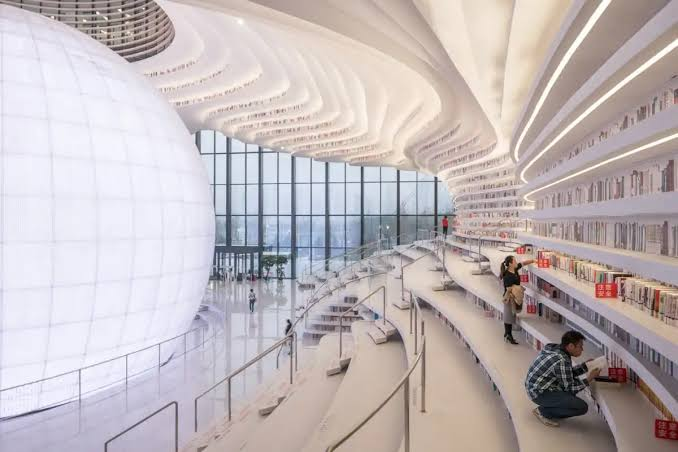
ChatGPT Prompts Library for Architects
Quick Reference — Best ChatGPT Prompts for Architecture
Design Work:
- “Generate 5 design concepts for [brief].”
- “Write a design statement for [project].
- “Explain the design intent behind [architectural feature].”
- “List 10 precedent projects relevant to [building type].
- “Summarize [building regulation] requirements for [project type]..”
Documentation:
- “Write specification section for [element].
- “Create schedule of finishes for [space ty..pes]”
- “Generate room data sheet for [room type].”
- “Write project description for [project].”
- “Create drawing index for [project stage].
Client Communication:
- “Write client brief confirmation email for [project].
- “Explain [technical concept] to non-architect client”
- “Write fee proposal for [project scope].”
- “Create FAQ document about the design process”
Content Creation:
- “Write Instagram caption for [image description].”
- “Create LinkedIn post about [architecture topic]..”
- “Write blog post about [topic] for Indian homeowners”
- “Generate website service page for [service]..
Career:
- “Review and improve this CV section: [paste text]..”
- “Write cover letter for [firm] [position].”
- “Prepare me for interview question: [question].”
- “Suggest salary negotiation approach for [role level].
ChatGPT vs Claude for Architects — Which is Better?
Both ChatGPT and Claude are useful for architects — with different strengths:
| Task | ChatGPT | Claude | Winner |
|---|---|---|---|
| Long document writing | Good | ✅ Better | Claude |
| Technical specification | Good | ✅ Better | Claude |
| Creative concept generation | ✅ Very Good | Good | ChatGPT |
| Code research | Good | Good | Tie |
| Social media captions | ✅ Very Good | Good | ChatGPT |
| CV/cover letter | Good | ✅ Better | Claude |
| Image analysis (project photos) | ✅ Yes | ✅ Yes | Tie |
| Conversation memory | ✅ Projects | ✅ Projects | Tie |
| Free tier quality | Good | ✅ Better | Claude |
Recommendation: Use both free tiers — ChatGPT for creative ideation and social content, Claude for long-form writing and technical documentation.
ChatGPT Limitations for Architects
Be aware of these limitations:
Building code accuracy:
ChatGPT’s regulatory knowledge has a training cutoff — always verify code requirements with current official sources and local authority amendments.
No visual output:
ChatGPT cannot generate architectural drawings, renders, or floor plans — use Midjourney, Stable Diffusion, or Veras for visual outputs.
Hallucination risk:
ChatGPT occasionally generates plausible-sounding but incorrect technical information — verify structural, MEP, and code-related outputs before using in professional documents.
No real-time information:
Current material costs, contractor rates, and regulatory changes may not reflect 2026 reality — verify time-sensitive information independently.
No project memory (free tier):
Free ChatGPT does not remember previous conversations — for ongoing project work, maintain a project brief document to paste into each session.
Frequently Asked Questions
How can architects use ChatGPT most effectively in 2026?
Most effectively for: writing (design statements, specifications, proposals, social media), research (code summaries, precedent research, technical explanations), and career development (CV, cover letters, interview prep). Less effective for visual design generation — use Midjourney or Stable Diffusion for that.
Is ChatGPT free for architects? ChatGPT’sfree tier handles all common architectural writing tasks effectively — unlimited conversations, good quality output. ChatGPT Plus ($20/month) adds better performance, image analysis, and project memory — useful for architects with heavy daily use.
Can ChatGPT replace architectural specifications?
ChatGPT generates excellent first-draft specification content — significantly faster than manual writing. Always review and verify technical accuracy, update IS code references, and have the specification reviewed by the technical team before issuing for construction. ChatGPT accelerates specification writing; it does not replace professional judgment.
Which is better for architects — ChatGPT or Claude?
Both are useful with different strengths. Claude produces more nuanced long-form writing (design statements, proposals) and handles technical documentation better. ChatGPT is stronger for creative brainstorming and social media content. Use both free tiers for different tasks.
Can ChatGPT help with architecture job search in India?
Yes — CV writing, cover letter customization, interview preparation, and salary research all benefit from ChatGPT assistance. Indian architecture job market context (salary ranges, firm culture, COA requirements) is reasonably well-covered in ChatGPT’s training data.
Conclusion
ChatGPT has become genuinely indispensable for architects who use it correctly — for the writing, research, and communication tasks that surround design work rather than for design generation itself.
Highest impact ChatGPT uses for architects:
Design concept articulation, specification writing, client proposals, portfolio descriptions, social media content, job applications, and interview preparation.
Start with these three:
- Paste your next design brief → ask for 5 concept directions → save 2 hours of initial brainstorming
- Describe your best project → ask for portfolio description → save 1 hour of writing
- Draft your next client email in ChatGPT → edit and personalize → save 20 minutes per communication
For Indian architects specifically — ChatGPT understands Indian building typologies, climate considerations, local material references (Mangalore tiles, Kota stone, Jaisalmer stone), and Indian professional practice context well enough to produce immediately useful outputs.
The architects who embrace ChatGPT and other tools alongside their design skills — not as replacements for them — are the ones building more efficient, more prolific, and more competitive practices in 2026.