
VPN proxy server free download in 2026 is easier than ever, but choosing the right one is essential for security, privacy, and performance. A quality VPN encrypts your internet connection, hides your IP address, and helps protect your personal data when using public Wi-Fi or browsing online. While many free VPNs are available, not all offer the same level of speed, security, or data limits.
Whether you’re using Windows, macOS, Android, or iPhone, several trusted free VPN providers offer secure apps with no cost to get started. Some include unlimited bandwidth, while others provide generous monthly data, strong encryption, and servers in multiple countries. These free VPNs are ideal for everyday browsing, streaming, online banking, and protecting your privacy without paying for a subscription.
In this guide, we’ll explore the best VPN proxy server free downloads in 2026, comparing their features, advantages, limitations, and compatibility to help you choose the right option for your needs. Whether you’re looking for a VPN with unlimited data, fast speeds, or enhanced privacy, you’ll find a reliable free solution here.
If you have ever typed “VPN proxy server free download” into Google, you already know the problem. There are hundreds of results, half of them look sketchy, and you just want something that works without draining your wallet or your data.
The good news is that free VPN proxy servers have actually gotten better over the last couple of years. The bad news is that “free” still comes with trade-offs you need to understand before you install anything on your phone or laptop. This guide walks you through what a VPN proxy server actually is, which free options are worth your time in 2026, how to set one up, and the pitfalls that catch most people off guard.
What Is a VPN Proxy Server, Really?
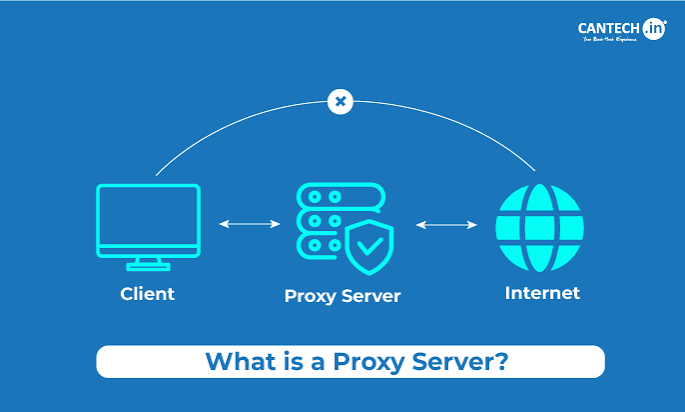
People throw around “VPN” and “proxy” like they mean the same thing, but they don’t quite.
A proxy server simply reroutes your internet traffic through a different server, which changes the IP address websites see. It’s fast and lightweight, but most proxies don’t encrypt your data. So while your location might look different, anyone snooping on the network (say, on public Wi-Fi at a coffee shop) can still see what you’re doing.
A VPN (Virtual Private Network) does everything a proxy does, plus it wraps your entire connection in encryption. That means your internet provider, your workplace network admin, or a stranger on the same Wi-Fi can’t easily peek into your browsing.
A “VPN proxy server” is basically marketing shorthand that a lot of apps use — they’re really offering VPN-level encryption combined with proxy-style server switching, all bundled into one app. When people search for this term, they usually just want an app that hides their IP address and gets them into content or sites blocked in their country.
Why People Are Searching for This in 2026
A few things have pushed demand for free VPN proxy tools higher this year:
- More streaming platforms are region-locking content. Shows that used to be global are now split across regions, so people are turning to VPNs to catch shows before they arrive locally.
- Public Wi-Fi use is way up, especially with more people working from cafes, co-working spaces, and while traveling.
- Data privacy awareness has grown. After years of headlines about tracking and data breaches, more everyday users want at least a basic layer of protection.
- Gaming and app access restrictions. Certain games, betting apps, and even shopping deals are region-specific, and a VPN is the easiest workaround.
- Budget matters. Not everyone wants to pay $10 a month for something they use occasionally, so the free tier searches keep climbing.
Free vs Paid VPN Proxy Servers: What Actually Changes
Before you download anything, it helps to know what you’re really giving up when you go free.
| Feature | Free VPN Proxy | Paid VPN |
|---|---|---|
| Monthly data limit | Usually capped (500MB–10GB) | Unlimited |
| Server locations | Limited, often 3–10 countries | 50+ countries typically |
| Speed | Throttled during peak hours | Generally full speed |
| Streaming access | Often blocked by Netflix, etc. | Usually works reliably |
| Ads | Common in free apps | None |
| Logging policy | Varies; some log and sell data | Reputable ones don’t log |
| Device limit | Often 1 device | Multiple devices |
| Customer support | Minimal or none | 24/7 live chat common |
This doesn’t mean free tools are useless. For light browsing, checking region-locked news sites, or basic privacy on public Wi-Fi, a solid free VPN proxy is often enough. The trouble starts when people expect free tools to behave like premium ones for heavy streaming or torrenting.
Best Free VPN Proxy Servers to Download in 2026
Here’s a rundown of tools that are genuinely worth trying this year, based on what they actually offer rather than just app store ratings (which can be manipulated).
1. Proton VPN Free
Proton has built its reputation on privacy, and the free tier is unusually generous — no data cap, which is rare among free options. Server choices are limited to a handful of countries, and speeds can dip during busy hours, but for everyday browsing and basic protection, it’s one of the most trustworthy picks out there. It also comes from a company that publishes transparency reports, which matters if you actually care where your data goes.
Proton VPN Free is one of the best free VPN services available in 2026, offering unlimited bandwidth, a strict no-logs policy, and strong privacy protection without displaying ads or selling user data. Developed by the team behind Proton Mail, it is based in Switzerland, benefiting from strong privacy laws. Unlike many free VPNs, Proton VPN Free does not impose data caps, making it a great choice for everyday browsing, securing public Wi-Fi, and protecting your online privacy.
Good for: People who want reliable, no-data-cap browsing protection without paying.
2. Windscribe Free
Windscribe gives you around 10GB of data a month (more if you tweet about them or refer friends), along with access to roughly 10 server locations. It also includes an ad blocker and basic firewall features, which is more than most free VPNs bother to offer.
Good for: Users who want a bit more control, like blocking ads and trackers alongside the VPN itself.
3. Cloudflare’s 1.1.1.1 (WARP)

This one is technically more of a DNS-based proxy than a full VPN, but it’s fast, free, and has no data cap. It won’t unlock streaming libraries or let you pick a country, but it does a solid job of encrypting your traffic and speeding up DNS lookups.
Cloudflare’s 1.1.1.1 with WARP is a free privacy and security service that encrypts your internet traffic and routes it through Cloudflare’s global network. Unlike a traditional VPN that focuses on changing your virtual location, WARP is designed to improve privacy, reduce ISP tracking, and often enhance connection performance.
It uses the WireGuard-based MASQUE protocol to provide a fast, lightweight, and secure browsing experience. The service is free to use, while WARP+ is available as a paid upgrade for users who want access to Cloudflare’s premium routing for potentially faster performance.
Good for: People who mainly want faster, more private browsing rather than location switching.
4. hide.me Free
hide.me offers 10GB of monthly data and access to five server locations. It doesn’t log connection data, which is a plus, and the app interface is clean enough for beginners.
Good for: First-time VPN users who want something simple without a steep learning curve.
5. TunnelBear Free
TunnelBear caps you at 2GB a month, which sounds small, but it’s a good option if you only need occasional protection, like when traveling or using hotel Wi-Fi for a few days. The app design is friendly, and it’s owned by McAfee, which adds a layer of trust for cautious users.
Good for: Occasional, short-burst use rather than daily browsing.
Quick Practical Example
Say you’re traveling to a country where your usual banking app doesn’t work properly, or a news site is blocked. Installing something like Proton VPN Free, connecting to a server in your home country, and refreshing the app usually solves it in under two minutes. No technical knowledge needed — just download, connect, and go.
Another common case: you’re at an airport, need to check your email or do some online banking, and the Wi-Fi is open (no password). Turning on a free VPN proxy like Windscribe before connecting adds a layer of encryption so your login details aren’t floating around unprotected on that shared network.
How to Download and Set Up a Free VPN Proxy Server
The process is nearly identical across most apps, but here’s the general flow:
- Choose your platform. Decide if you need it for Windows, Mac, Android, iPhone, or a browser extension. Most providers cover all of these now.
- Download from the official website or app store. Avoid random third-party download sites — this is where a lot of shady, data-harvesting apps hide.
- Create an account. Free tiers usually just need an email address.
- Pick a server location. If you’re trying to access content from a specific country, choose that country’s server.
- Connect. One tap or click, and your traffic starts routing through the VPN.
- Check your new IP. Search “what’s my IP” in your browser to confirm the change went through.
For laptops used for work — like the Windows and Mac free VPN comparisons often searched alongside this topic — installation takes under five minutes on either operating system.
Pros and Cons of Free VPN Proxy Servers
Pros
- No cost, which makes it accessible for students, casual users, and anyone testing out VPNs before committing to a paid plan
- Quick setup, often just a download and one click to connect
- Decent for basic privacy on public Wi-Fi, hiding your browsing from network snoopers
- Useful for casual geo-unblocking, like reading a foreign news site or checking a region-locked deal
- Good entry point to understand if a VPN fits your daily habits before paying for a subscription
Cons
- Data caps on most free plans mean you’ll hit a wall if you use it for streaming or downloads.
- Slower speeds, especially during peak hours when free users get lower priority than paying customers
- Limited server choices, so you might not find the exact country you need
- Some free VPNs log and sell user data, which defeats the whole purpose of using one for privacy — always check the provider’s logging policy before installing
- Streaming platforms often detect and block VPN IP addresses, especially the free, widely-used ones
- Ads within the app are common on free tiers, since the company has to make money somehow
Red Flags to Watch For
Not every “free VPN proxy” download is safe. A few warning signs to keep in mind:
- The app asks for excessive permissions unrelated to VPN function (like access to your contacts or messages)
- There’s no clear privacy policy or company information listed
- Reviews mention sudden ads, pop-ups, or browser hijacking after install
- The provider has no transparency about how they make money, or if it’s completely free with no premium tier
- It’s only available through a random APK file rather than an official app store or verified website
If you see any of these, it’s worth skipping — the point of using a VPN is protection, not adding more risk.
Is It Legal to Use a Free VPN Proxy?
In most countries, yes, using a VPN is completely legal, including in India, the US, the UK, and most of Europe. A handful of countries — China, Russia, and the UAE among them — restrict or heavily regulate VPN use, so it’s worth checking local rules if you’re traveling there. What you do while connected to a VPN still matters legally; a VPN doesn’t make illegal activity legal, it just changes how your traffic is routed and encrypted.
Free VPN Proxy for Specific Devices
Windows users generally have the widest choice, since most providers build a dedicated desktop app with full features like a kill switch and split tunneling, even on free tiers.
Mac users sometimes get a slightly stripped-down version compared to Windows, but the core functionality — connect, switch server, browse securely — works the same.
Android users benefit from Google Play Store vetting, though it’s still worth checking permissions before installing.
iPhone users have fewer VPN options overall since Apple’s app review process is stricter, but the major providers listed above (Proton, Windscribe, hide.me) all have solid iOS apps.
When You Should Consider Upgrading to Paid
Free VPN proxy servers work well for light, occasional use. But if any of these describe you, it might be worth putting money toward a paid plan:
- You stream shows or sports regularly from other countries
- You work remotely and handle sensitive files daily
- You torrent or download large files often
- You need more than 1–2 devices connected at once
- You travel frequently and need consistent, reliable speeds
Most paid VPNs run somewhere between $3 and $10 a month if you commit to a yearly plan, which is a reasonable trade for unlimited data and better speeds.
FAQs
Is a free VPN proxy server safe to use?
Generally yes, if you stick to well-known providers like the ones listed above. The risk comes from unknown apps that harvest and sell your data, so always check the provider’s reputation and privacy policy before downloading.
Can I use a free VPN proxy for Netflix or other streaming platforms?
It’s hit or miss. Most streaming services actively block known VPN IP addresses, and free VPNs tend to get blocked faster since so many people share the same limited server pool.
Do free VPNs slow down my internet speed?
Usually a bit, yes. Free users often get lower bandwidth priority compared to paying customers, especially during busy hours in the evening.
What’s the difference between a proxy and a VPN again?
A proxy changes your visible IP address but usually skips encryption. A VPN does both — changes your IP and encrypts your traffic — which is why it’s considered the safer option overall.
Will a free VPN proxy work for gaming?
It can, but expect some lag due to speed throttling. If low ping matters for competitive gaming, a paid VPN with dedicated gaming servers is a better fit.
How much data do free VPNs usually give?
It ranges widely — Cloudflare WARP and Proton VPN Free offer no hard cap, while others like TunnelBear cap you around 2GB a month. Check the specific provider’s limit before relying on it daily.
Can I use a free VPN proxy on multiple devices at once?
Most free plans limit you to one device per account. If you need protection across a phone, laptop, and tablet simultaneously, you’ll likely need to upgrade or create separate accounts.
Do free VPN proxy servers keep logs of my activity?
It depends entirely on the provider. Proton VPN and hide.me both have no-log policies that have been independently reviewed, while some lesser-known free apps have been caught logging and even selling browsing data. Always research before installing.
Conclsion
A free VPN proxy server download in 2026 can genuinely cover most casual needs — protecting yourself on public Wi-Fi, peeking at region-locked content, or just adding a basic privacy layer to daily browsing. The key is picking a provider that’s upfront about their limits and doesn’t quietly sell your data to cover the cost of running “free” servers.
If your needs grow beyond casual use — heavy streaming, work-related security, or frequent travel — that’s usually the signal to shift toward a paid plan. But for now, starting with a trustworthy free option is a smart, zero-risk way to see if a VPN actually fits into how you use the internet.