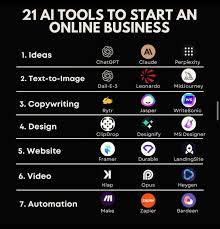
Artificial Intelligence has completely transformed the way content is created in 2026. Whether you’re a blogger, marketer, student, freelancer, business owner, or YouTube creator, AI-powered writing tools can help you produce high-quality content faster than ever before. From generating blog posts and social media captions to creating email campaigns, video scripts, and SEO-optimized articles, modern AI tools have become essential for improving productivity and creativity.
The best AI writing tools in 2026 are smarter, faster, and more accurate than previous generations. They can understand context, adapt to different writing styles, perform research, optimize content for search engines, and even help overcome writer’s block. Many of these tools also include advanced features such as plagiarism checking, grammar correction, content rewriting, keyword optimization, and multilingual support.

With dozens of AI writing platforms available, choosing the right one can be challenging. Some tools focus on long-form content creation, while others excel at marketing copy, social media posts, or academic writing. The ideal choice depends on your specific needs, budget, and workflow.
In this guide, we’ll explore the best AI tools for writing and content creation in 2026, comparing their features, pricing, strengths, and limitations. Whether you’re looking for a free AI writing assistant or a premium content creation platform, this list will help you find the perfect tool to boost your productivity and create better content in less time.
Let’s be honest. Two years ago, most writing tools were either too basic or too expensive to justify. Fast forward to 2026, and the market looks completely different. There are now dozens of platforms that can help bloggers, marketers, agency owners, and solo creators do more in less time — without hiring a full team.
But here’s the problem: not all of them are built the same. Some are great for long-form articles. Others shine with ad copy or product descriptions. A few are honestly not worth your money at all.
This guide cuts through the noise. Whether you’re running a content site, managing social media for clients, or just trying to get your newsletter out on time, you’ll find something useful here.
What to Look for Before You Pick a Tool
Before jumping into the list, it helps to know what actually matters when choosing a writing tool in 2026.
Output quality is the obvious one. But more important is how much editing you need to do after. A tool that gives you 80% ready content is better than one that gives you polished-sounding garbage you have to rewrite from scratch.
Workflow fit matters too. If you’re writing 20 blog posts a month, you need something with bulk features. If you’re just doing social captions, a lightweight tool works fine.
Cost vs. output ratio — look at what you’re getting per dollar, not just the plan price.
SEO integration — some tools now build keyword targeting, heading structure, and readability scoring right into the editor. That’s a huge time saver.
With that said, here are the best writing and content creation tools worth using in 2026.
Best AI Tools for Writing and Content Creation 2026:-
1. Jasper
Best for: Marketing teams and agencies that need a consistent brand voice across high volumes of content.
Jasper has been around long enough to refine what it does well. It’s not trying to be everything — it’s built for marketing copy, and that focus shows.
What makes it different is the Brand Voice feature. You train it once using your existing content, and it keeps your tone consistent across everything — blog posts, emails, landing pages, social captions. For agencies managing multiple clients, this is genuinely useful because switching between brand styles is fast.
It also integrates directly with Surfer SEO, which means you can optimize for target keywords as you write, without jumping between tools.
Practical example: A digital marketing agency managing eight clients can use Jasper’s campaigns feature to run a product launch across blog content, email sequences, and social media — all in one workflow, keeping each client’s voice separate.
Pros:
- Strong brand voice training
- Native Surfer SEO integration
- Good for scaling content production
- Templates for almost every content type
Cons:
- More expensive than most alternatives
- Can feel overly polished — outputs sometimes need humanizing
- Learning curve for new users getting the most out of brand settings
Pricing: Starts around $49/month for individuals; team plans go higher
2. Writesonic
Best for: Bloggers and content creators who want solid long-form output without overspending.
Writesonic has improved a lot. It used to be basic, but the Article Writer 6.0 they rolled out has genuinely changed the quality of long-form content it produces.
You give it a keyword, it pulls real-time data from the web, structures a full article with headings and internal flow, and lets you edit everything in a clean document editor. The output reads more naturally than older versions, and the factual grounding helps reduce hallucinated information — a big problem with writing tools in general.
For someone running a blog in a specific niche, Writesonic’s Chatsonic feature also lets you have a back-and-forth to refine content ideas, create outlines, or draft content conversationally.
Practical example: A travel blogger writing about budget destinations can use Writesonic to pull updated destination data (visa costs, average hotel prices, best months to visit), draft a 1,500-word article, and then refine tone in the editor — all in about 45 minutes instead of three hours of research and writing.
Pros:
- Real-time data integration reduces outdated content.
- Solid article structure out of the box
- More affordable than Jasper
- Good multilingual support
Cons:
- Output quality varies depending on the niche — it works better for general topics
- Can be verbose; trimming is often needed
- Customer support response times can be slow
Pricing: Free plan available; paid plans from ~$16/month
3. Copy.ai
Best for: Solopreneurs and small business owners who need quick copy across multiple formats without a complicated setup.
Copy is one of those tools that just works without requiring much configuration. You open it, pick a template (product description, cold email, Instagram caption, whatever), fill in a few fields, and it gives you multiple options to choose from.
The newer version introduced Workflows, which is where it gets more interesting. You can chain tasks together — so instead of writing a blog post headline, then manually starting a new task for the meta description, then another for social captions, you build a workflow that handles all three in one go.
For small business owners who aren’t professional writers but need decent copy consistently, this is one of the easiest tools to actually use regularly.
Practical example: An online store selling handmade jewelry can use Copy.ai to generate product descriptions for 20 new items in under an hour — feeding in the material, style, and target buyer, and getting three description options per product to choose from.
Pros:
- Very easy to use — minimal learning curve
- Workflows save time on repetitive content tasks
- Good template variety
- Generous free plan for light users
Cons:
- Not ideal for long-form, in-depth content
- Outputs can feel a bit generic without strong prompting
- Workflow builder takes some time to set up initially
Pricing: Free plan available; paid from ~$36/month
4. Surfer SEO (Content Editor)
Best for: Writers who already know how to write but need structured SEO guidance while they work.
Surfer is not a content generator — it’s a content optimizer. But it earns its place on this list because, for anyone serious about ranking in search, it’s become almost essential.

The Content Editor shows you in real time which keywords to include, what your ideal word count is, how many headings to use, and how your article compares to what’s already ranking for that term. It doesn’t write for you, but it tells you exactly what a well-optimized article for that keyword looks like.
The newer Topical Map feature is also useful — it shows you clusters of content you should be writing around a core topic, which helps with building authority on a subject over time rather than writing random posts.
Practical example: A finance blogger targeting “best savings accounts in India 2026” can open Surfer’s editor, see that top-ranking pages include 22 specific terms related to interest rates, bank names, and account types, and build their article around that structure from the start — rather than hoping they covered everything.
Pros:
- Precise keyword and structure guidance
- Real-time optimization feedbackThe
- Topical Map helps with content planning
- Integrates with Google Docs and Jasper
Cons:
- Doesn’t generate content on its own
- Can feel overly mechanical if followed too rigidly
- Expensive for solo bloggers on tight budgets
Pricing: Plans from ~$89/month; team plans higher
5. Rytr
Best for: Freelancers and beginners who want a capable, affordable tool for everyday writing tasks.
Rytr doesn’t have the bells and whistles of some premium platforms, but it’s one of the most straightforward tools available — and the price makes it hard to dismiss.
It handles short-to-medium content well: email drafts, blog intros, product descriptions, YouTube descriptions, and social posts. The tone selection is surprisingly useful — you can switch between formal, casual, humorous, or persuasive, and it noticeably changes the output.
For someone just starting with content work, or a freelancer handling a variety of small tasks, Rytr gives you solid output at a fraction of what most competitors charge.
Practical example: A freelance copywriter who takes on five to ten small projects a week — emails, social bios, landing page headers — can use Rytr to draft first versions in minutes and spend their time editing and customizing, rather than staring at a blank page.
Pros:
- Very affordable — one of the cheapest paid tools available
- Clean, simple interface
- Good tone control
- Decent multilingual support
Cons:
- Not suitable for long-form, detailed articles
- Limited research ability (no real-time web data)
- Templates are less sophisticated than competitors
Pricing: Free plan with a monthly character limit; paid from ~$9/month
6. Notion AI
Best for: Teams and individuals who already live in Notion and want writing assistance built into their workflow.
Notion added writing features a couple of years ago, and by 2026, it’s matured into something genuinely useful — especially if Notion is already your workspace.
You can ask it to draft content in any Notion page, summarize long documents, clean up rough notes into proper copy, generate action items from meeting notes, or brainstorm ideas. The strength here is context — it can reference content from within your workspace, which means it understands your project before it starts helping.
For teams doing content planning, editorial calendars, and actual writing all in one place, having assistance built into the same tool is a real productivity advantage.
Practical example: A content team that plans all their articles in Notion can highlight a rough brief, click “Improve writing,” and get a cleaned-up version ready for their writer in 30 seconds — without switching to another platform.
Pros:
- Seamlessly integrated into the Notion workspace
- Great for summaries, rewrites, and ideation
- Understands document context
- No extra tool to learn if you already use Notion
Cons:
- Not a replacement for dedicated writing tools
- Less powerful for SEO-focused, long-form content
- Requires a Notion subscription on top of the AI add-on
Pricing: Notion AI is an add-on at ~$10/user/month on top of Notion plans
7. Canva Magic Write
Best for: Visual content creators who need captions, short copy, and content to pair with their designs.
Canva is not traditionally a writing tool, but Magic Write — their built-in text generation feature — deserves a mention because of how it fits into the visual content creation workflow.
If you’re creating social media graphics, presentations, or marketing materials inside Canva, being able to generate and tweak short text without leaving the design editor is surprisingly useful. It handles product taglines, presentation bullet points, event descriptions, and social captions well.
It’s not meant for articles or long-form work. But for creators who live in Canva, it saves constant tab-switching.
Practical example: A small business owner building an Instagram post for a product launch can design the graphic and generate three caption options with hashtags in the same app, without needing a separate tool for copy.
Pros:
- Built into Canva — no extra tool needed
- Great for short, visual-paired copy
- Easy for non-writers to use
- Comes included with Canva Pro
Cons:
- Limited to anything beyond short-form content
- No SEO features
- Output can be generic without good prompting
Pricing: Included in Canva Pro (~$15/month)
Quick Comparison Table
| Tool | Best Use Case | Long-Form | SEO Features | Starting Price |
|---|---|---|---|---|
| Jasper | Marketing teams | ✅ | ✅ (via Surfer) | ~$49/mo |
| Writesonic | Bloggers & content sites | ✅ | ✅ | ~$16/mo |
| Copy.ai | Quick copy, solopreneurs | Partial | ❌ | ~$36/mo |
| Surfer SEO | SEO optimization | ❌ (editor only) | ✅✅ | ~$89/mo |
| Rytr | Freelancers, beginners | Partial | ❌ | ~$9/mo |
| Notion AI | Team workflows | Partial | ❌ | ~$10/mo add-on |
| Canva Magic Write | Visual content creators | ❌ | ❌ | Included in Pro |
Which One Should You Actually Choose?
Here’s a simple way to decide:
Running a content site focused on SEO? Use Writesonic for drafts and Surfer SEO for optimization. These two together give you a full content pipeline from keyword to published post.
Managing multiple clients or brands? Jasper’s brand voice features are worth the higher price. The consistency it maintains across clients saves editing time.
Just starting out or on a tight budget? Rytr is the honest answer. It won’t do everything, but it’ll handle most everyday writing tasks without draining your budget.
Already in Notion every day? Add Notion AI and stop switching between tools for basic writing tasks.
Creating visual content for social? If Canva is your home, Magic Write is right there — use it.
Frequently Asked Questions
Are these tools suitable for non-English content?
Most of them support multiple languages, but the quality varies. Writesonic and Rytr have reasonably good multilingual support. Jasper handles several major languages decently. For regional Indian languages or less common languages, output quality drops significantly and should be reviewed carefully.
Can these tools replace a human writer entirely?
No, and that’s not really the goal. These tools are best used as a starting point — they handle structure, first drafts, and repetitive tasks. A human writer still needs to fact-check, add personal insight, and ensure the final piece reads naturally. The blogs and content pieces that perform best are those where the tool handles the heavy lifting and a real person refines the result.
Do these tools create plagiarism issues?
Not typically — they generate original text rather than copy from existing sources. However, similar prompts can sometimes produce similar outputs across users. Running your final piece through a plagiarism checker (like Copyscape or Grammarly’s plagiarism check) is still a good practice, especially for published content.
How do I get better results from any of these tools?
Specificity helps more than anything else. Instead of prompting “write a blog post about VPNs,” try “write a 1,500-word beginner’s guide to free VPNs for iPhone users in India, focusing on privacy, speed, and ease of use.” The more context you give, the more targeted the output.
Is Surfer SEO worth it if I’m just a solo blogger?
At ~$89/month, it’s a real commitment. If you’re consistently publishing content meant to rank in search and you’re treating your blog as a business, yes — it pays for itself relatively quickly. If you’re publishing occasionally or still finding your niche, hold off and revisit when your content volume increases.
Can I use multiple tools together?
Absolutely — and many experienced creators do. A common stack for content sites is Writesonic for drafts, Surfer SEO for optimization, and Grammarly for final editing. Each tool handles a different layer of the process.
Conclsion
The best writing tool is the one that fits into how you actually work — not the one with the most features or the flashiest demo. Most of these platforms offer free trials or free tiers, so there’s no reason not to test two or three before committing.
If you’re building a content site in 2026, the advantage goes to creators who use these tools smartly — not to replace the writing process, but to make it faster, more consistent, and better structured. The writers who edit well, think critically about their content, and use these tools as assistants (not authors) are the ones producing work that actually earns traffic and reader trust.
Start with one tool, get comfortable with it, and build from there.