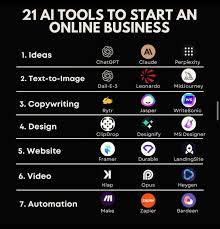
Best Content Creation AI Tools in 2026 – What Actually Works
Content creation used to take days. Writing a blog post, editing a video, designing a thumbnail, scheduling posts — it was a full team’s job. Now, one person with the right tools can do all of that before lunch.
But here’s the problem: there are hundreds of tools claiming to be the “best.” Most of them are average. A few are genuinely good. And a handful have quietly become essential for creators, marketers, and small business owners who need to produce content at scale.
This guide cuts through the noise. These are the best content creation tools in 2026 — tested against real workflows, not just feature lists.

Content creation has become faster, smarter, and more efficient than ever, thanks to artificial intelligence. In 2026, AI tools are helping creators, marketers, bloggers, YouTubers, and businesses produce high-quality content in a fraction of the time it once took. Whether you’re writing blog posts, creating social media content, editing videos, designing graphics, generating images, or producing voiceovers, there is now an AI-powered solution for almost every stage of the content creation process.
The best content creation AI tools of 2026 combine advanced machine learning with user-friendly interfaces, allowing both beginners and professionals to create engaging content without needing extensive technical skills. These tools can generate ideas, automate repetitive tasks, improve productivity, and help maintain consistency across multiple platforms.
As competition for online attention continues to grow, content creators are increasingly relying on AI to stay ahead. From AI writing assistants and video editors to image generators and social media management platforms, the latest generation of AI tools offers powerful features that can significantly improve content quality and workflow efficiency.
In this guide, we’ll explore the best content creation AI tools in 2026, compare their key features, discuss their strengths and weaknesses, and help you choose the right tools for your content strategy and creative goals.
What Makes a Content Tool Actually Worth Using?
Before the list, here’s the filter used to pick these tools:
- Does it save real time, or just add a new step?
- Is the output good enough to publish without heavy editing?
- Does it work for someone without a design or tech background?
- Is the pricing reasonable for a solo creator or small team?
If a tool didn’t pass those checks, it’s not here.
1. ChatGPT – Writing, Ideation, and Research
Best for: Blog posts, social captions, email drafts, content research
ChatGPT has matured significantly. In 2026, it’s not just a novelty — for many creators, it’s the first tab they open in the morning. Whether you need to outline a 3,000-word article, brainstorm 20 YouTube video ideas, or rewrite a product description, it handles all of it quickly.
The real strength is flexibility. You can give it a rough brief and get a structured draft back. Then refine, adjust the tone, make it shorter — all through simple follow-up instructions.
Practical example: A travel blogger in Pune uses ChatGPT to generate a first draft of destination guides. She writes the intro herself, fills in personal observations, then uses ChatGPT to write the “Getting There,” “Best Time to Visit,” and “Budget Tips” sections. Total time per article: 90 minutes instead of a full day.
Pros:
- Extremely versatile — handles writing, research, summarizing, and planning
- Fast — useful drafts in seconds
- Free version still capable; GPT-4o on paid plan is excellent
- Constantly updated with new features
Cons:
- Output needs human editing before publishing
- Can sound generic if you don’t guide it with a clear brief
- Not ideal for real-time news content without web browsing enabled
Pricing: Free tier available. ChatGPT Plus costs around $20/month.
2. Claude – Long-Form Writing and Nuanced Content
Best for: Long articles, research-heavy content, thoughtful rewrites
Claude handles long-form content exceptionally well. Where some tools start losing coherence halfway through a 2,000-word draft, Claude maintains tone and structure throughout. It’s also better at following specific style instructions — if you say “write like a helpful friend, not a textbook,” it actually does that.
For content creators who produce detailed guides, reviews, or educational content, Claude is a strong pick.
Practical example: A personal finance blogger uses Claude to write detailed explainer articles on mutual funds and SIP investing for Indian audiences. Claude’s ability to keep things simple without dumbing them down is the main reason they prefer it for this niche.
Pros:
- Excellent at long-form, nuanced writing
- Follows tone and style instructions well
- Large context window — can work with entire documents at once
- Good for editing and rewriting existing content
Cons:
- Less flashy than some competitors — no image generation built in
- Some users find the interface less intuitive at first
- Advanced features require a paid plan
Pricing: Free tier available. Claude Pro at $20/month.
3. Jasper – Content at Scale for Teams
Best for: Marketing teams, agencies, brand-consistent content at volume
Jasper is built for teams producing content at scale. Unlike general-purpose writing tools, Jasper lets you set brand voice, tone guidelines, and approved terminology — then generates content that stays consistent across every piece.
If you’re running an agency managing 10 client blogs or a marketing team producing weekly newsletters, landing pages, and social posts, Jasper’s structure helps keep everything on-brand without micromanaging every output.
Practical example: A digital marketing agency in Bengaluru manages content for 8 SaaS clients. They use Jasper’s Brand Voice feature to store each client’s tone separately. Writers generate first drafts in Jasper, then spend time on editing and adding client-specific examples — cutting production time by about 40%.
Pros:
- Brand voice training keeps content consistent
- Built-in templates for blogs, ads, emails, and social
- Team collaboration features
- Integrates with Surfer SEO for optimized content
Cons:
- Expensive for solo creators
- Learning curve to set up brand voices properly
- Output still needs editing — not plug-and-play
Pricing: Starts around $39/month. Team plans go higher.
4. Canva – Design for Non-Designers
Best for: Social media graphics, thumbnails, presentations, short videos
Canva has grown from a basic design tool into a full content production platform. In 2026, it includes a video editor, a document creator, a presentation builder, and an entire suite of design tools — all in a drag-and-drop interface that anyone can use.
For creators who aren’t designers but need professional-looking visuals, Canva is non-negotiable. The template library alone saves hours every week.
Practical example: A fitness coach uses Canva to create weekly Instagram carousel posts, YouTube thumbnails, and client workout PDFs. Everything is on-brand because he set up his brand colors and fonts once inside Canva — now every new design automatically pulls from those.
Pros:
- Huge library of templates for every platform
- Brand kit keeps everything consistent
- Video editing included (basic but functional)
- Collaboration and sharing bare uilt in
- The free version is genuinely useful
Cons:
- Video editing is basic — not for complex productions
- Some premium templates require Canva Pro
- Can feel limiting for advanced designers
Pricing: Free forever plan. Canva Pro costs around $13/month.
5. Descript – Video and Podcast Editing
Best for: YouTube creators, podcasters, and anyone who edits spoken content
Descript approaches video and audio editing differently. Instead of working with a traditional timeline, it transcribes your recording and lets you edit the text. Delete a sentence from the transcript, and it’s cut from the video. It’s that simple.
For creators who record talking-head videos, tutorials, or podcasts, this cuts editing time dramatically. No more scrubbing through footage to find where you stumbled over a word.
Practical example: A tech reviewer on YouTube used to spend 4–5 hours editing a 15-minute video. After switching to Descript, he edits the transcript in about 45 minutes, removes filler words automatically, and exports the final cut. The remaining time goes into thumbnail design and SEO.
Pros:
- Transcript-based editing is fast and intuitive
- Removes filler words (“um,” “uh”) automatically
- Screen recording built in
- Good for repurposing video content into clips
Cons:
- Transcription accuracy depends on audio quality
- Heavy video effects still require a dedicated editor
- Can be slow with very large files
Pricing: Free plan with limited features. Creator plan starts around $12/month.
6. ElevenLabs – Voiceovers That Sound Human
Best for: Faceless YouTube channels, explainer videos, dubbed content
If you run a faceless YouTube channel or need voiceovers for video content, ElevenLabs produces some of the most natural-sounding synthetic voices available today. You paste in a script, pick a voice, and get a narration that doesn’t sound robotic.
In 2026, many creators are using ElevenLabs for everything from documentary-style narrations to product demo voiceovers — saving the cost of hiring voice actors for every project.
Practical example: A creator running a history and facts channel on YouTube scripts all videos, then uses ElevenLabs to generate the narration. He uploads 3–4 videos per week without ever recording his own voice. The channel crossed 100K subscribers within 8 months.
Pros:
- Highly realistic voice output
- Multiple voice styles and languages
- Voice cloning available (can create a voice based on your own recordings)
- Good API for developers building custom workflows
Cons:
- The free plan has limited characters per month
- Voice cloning needs clean audio samples to work well
- Some voices still have occasional unnatural pauses
Pricing: Free plan available. Starter plan from $5/month. Creator plan around $22/month.
7. Surfer SEO – Optimizing Content That Ranks
Best for: Bloggers, content marketers, SEO writers
Writing good content is only half the battle — it also needs to rank. Surfer SEO analyzes top-ranking pages for your target keyword and tells you exactly what your article needs: word count, headings, keywords to include, internal linking suggestions, and more.
It doesn’t just check what you’ve written — it guides you while you write, with a real-time content score that updates as you add sections.
Practical example: An affiliate blogger targeting the keyword “best budget laptops under 50000” used Surfer SEO to structure the article. After following the content score recommendations, the article went from page 4 to position 6 on page 1 within 6 weeks — without any backlink building.
Pros:
- Real-time content editor with SEO score
- Keyword research is built in
- Integrates with Google Docs, WordPress, and Jasper
- Competitive analysis included
Cons:
- Doesn’t guarantee rankings — content quality still matters
- Pricing is steep for solo bloggers
- Can sometimes over-optimize if you follow it blindly
Pricing: Starts around $89/month. Slightly cheaper on annual plans.
8. Runway – Video Generation and Editing
Best for: Video creators who want to produce high-quality clips without a full production setup
Runway is one of the more impressive video tools of 2026. It can generate short video clips from text descriptions, remove backgrounds from video in real time, apply cinematic effects, and more. For creators who produce visual content but don’t have access to expensive cameras or studio setups, Runway fills some significant gaps.
Practical example: A travel content creator uses Runway to create cinematic intro sequences for YouTube videos. Instead of filming a dramatic landscape opener, she generates one using Runway’s text-to-video feature. The result fits her channel’s aesthetic and takes about 20 minutes to produce.
Pros:
- Text-to-video generation is genuinely impressive
- Background removal and video effects are fast
- Constantly updated with new features
- Web-based — no heavy software to install
Cons:
- Generated video quality varies — needs experimentation.
- Free credits run out quickly
- Not suited for full-length video production
Pricing: Free plan with limited credits. Standard plan around $12/month.
9. Notion + Notion AI – Content Planning and Workflow
Best for: Creators and teams managing content calendars, briefs, and SOPs
Notion has become the backbone of many content operations. Use it to manage your editorial calendar, store article briefs, track publishing status, collaborate with writers, and document your workflows. With Notion AI built in, you can also draft, summarize, and brainstorm directly inside your workspace — without switching tabs.
Practical example: A small content team of 4 people manages 3 client websites entirely inside Notion. Each client has a dedicated workspace with a content calendar, brief templates, and a review pipeline. Notion AI helps writers generate outlines and draft meta descriptions without leaving the project board.
Pros:
- Extremely flexible — build any workflow you need
- Notion AI integrates writing assistance into project management
- Great for teams and solo creators alike
- Database features make content tracking easy
Cons:
- Takes time to set up properly
- Can feel overwhelming at first
- Notion AI is an add-on cost on top of regular plans
Pricing: Free for personal use. Team plans from $10/user/month. Notion AI aaddscosts aof round $10/month.
Quick Comparison Table
| Tool | Best For | Free Plan | Starting Price |
|---|---|---|---|
| ChatGPT | Writing, ideation | Yes | $20/month |
| Claude | Long-form content | Yes | $20/month |
| Jasper | Team content at scale | No | $39/month |
| Canva | Design, visuals | Yes | $13/month |
| Descript | Video/podcast editing | Yes | $12/month |
| ElevenLabs | Voiceovers | Yes | $5/month |
| Surfer SEO | SEO optimization | No | $89/month |
| Runway | Video generation | Yes | $12/month |
| Notion + AI | Planning, workflows | Yes | $10/month |
How to Pick the Right Tools for Your Workflow
You don’t need all of these. Here’s a simple way to decide:
If you’re a blogger or writer: ChatGPT or Claude for writing + Surfer SEO for optimization + Canva for featured images. That’s a complete stack for under ₹3,000/month.
If you’re a YouTube creator: Descript for editing + ElevenLabs for voiceovers (if faceless) + Canva for thumbnails. Add Runway if you want cinematic visuals.
If you run a content agency: Jasper for scaled writing + Notion for project management + Canva for design + Surfer SEO for SEO deliverables.
Start with one tool, get comfortable, then add the next. Stacking 6 tools at once before you know how to use any of them is how people waste both time and money.
FAQs
Which is the best content creation tool in 2026 overall?
There’s no single answer because it depends on what you create. For writing, ChatGPT and Claude are both excellent. For video, Descript and Runway are strong. For visuals, Canva is hard to beat. Most creators use a combination of 2–3 tools.
Are free plans good enough, or do you need to pay?
For getting started, yes — free plans work. ProtonVPN’s free plan, for example, gives unlimited data. Similarly, Canva Free, ChatGPT Free, and Descript Free all let you do real work. But if content creation is how you earn money, paid plans give you significantly better output and fewer limitations.
Can one person really run a content operation with these tools?
Absolutely. A solo creator who uses the right tools can publish 3–5 blog posts per week, post daily on social media, and produce weekly videos — all without hiring a team. The tools handle the repetitive and time-consuming parts.
Is Surfer SEO worth the high price?
For serious bloggers running monetized websites, yes. The ability to optimize content that consistently reaches page 1 pays for itself quickly. For hobby bloggers or beginners, it’s probably too expensive — focus on learning SEO fundamentals first.
Do these tools work for Indian languages like Hindi?
ChatGPT and Claude both support Hindi and regional Indian languages reasonably well, though English output is stronger. Canva has Hindi font support. ElevenLabs supports Hindi voice generation. Most tools are getting better at non-English content every month.
How much should a creator budget for tools monthly?
A solid content stack for a solo creator costs between ₹1,500 and ₹5,000 per month, depending on which tools you choose. The key is picking tools that replace actual time, not just adding software for the sake of it.
Will these tools replace human writers and editors?
Not entirely. The tools handle speed and volume. What they can’t fully replace is personal experience, original opinions, and the kind of storytelling that connects with readers on a human level. The best content in 2026 is produced by people who use these tools smartly — not people who rely on them blindly.
Conclsion
The tools on this list aren’t shortcuts to bad content — they’re shortcuts to more content that’s actually good. The creators winning in 2026 aren’t necessarily the most talented; they’re the ones who figured out how to produce consistently without burning out.
Start with what fits your current workflow. Even one good tool used well can change how much you produce in a week. Add more as you grow.
The content game rewards consistency above everything else. These tools make consistency a lot more achievable.