Video is everywhere. From product pages to social media feeds, YouTube channels to online courses — if you’re not using video, you’re already falling behind. But hiring a video production team is expensive, and editing software has a steep learning curve most people don’t have time for.
That’s where video generator tools come in. In 2026, these platforms have grown quickly. They’re smarter, faster, and more accessible than ever. Whether you’re a solo creator, a small business owner, or a marketing team looking to scale content, there’s something in this space built exactly for your needs.

This guide breaks down everything you need to know: how these tools work, which ones are worth your time, and how to actually get results from them.
An AI Video Generator in 2026 is a tool that helps you create videos automatically using text, images, or simple inputs—without needing advanced editing skills. These tools are widely used by content creators, marketers, YouTubers, and businesses to save time and produce high-quality videos quickly.
Popular platforms like Pictory, InVideo AI, and Runway ML allow users to turn scripts, blog posts, or ideas into engaging videos in just a few minutes.
How Video Generators Work
Most video generators follow a simple process:
- You enter a text prompt or script
- The tool automatically selects visuals, clips, and animations
- It adds voiceover, music, and transitions
- The final video is generated and ready to download or share
For example, if you type “Top 5 business ideas,” the tool will create a full video with scenes, text overlays, and background music.
Key Features
- Text-to-video conversion
- AI voice narration
- Stock video library
- Auto subtitles and captions
- Custom branding options
Benefits of Using Video Generators
- Saves time compared to manual editing
- No technical skills required
- Cost-effective for beginners
- Great for YouTube, Instagram, and ads
- Helps scale content creation quickly
Who Should Use It?
- YouTube creators making faceless videos
- Affiliate marketers promoting products
- Bloggers converting articles into videos
- Small business owners creating ads
Limitations
- Limited customization compared to professional editing software
- Some tools require paid plans for full features
- Output quality depends on the script you provide
What Is an AI Video Generator?
An AI video generator is a software tool that creates videos automatically — either from text prompts, scripts, images, or existing footage — without requiring you to shoot a single second of raw video yourself.
You type in what you want. The tool builds a video around it. That’s the basic idea.
But “basic” doesn’t capture how far these tools have come. In 2026, many platforms can generate realistic talking avatars, animate still images, sync voiceovers automatically, add captions, and even adapt your video for different social media formats — all in one workflow.
Think of it like this: if you were launching a new product and needed a 60-second explainer video, you’d traditionally need a script, a voiceover artist, a video editor, and maybe stock footage. With a video generator tool, you write the script, choose a presenter avatar, pick a style, and have a finished video in under 30 minutes.
Who Actually Uses These Tools?
Before jumping into tool recommendations, it’s worth knowing who benefits most:
Content creators and YouTubers use them to produce videos faster without losing quality. A faceless YouTube channel, for example, can generate a polished video with narration and visuals from a simple outline.
E-commerce brands use them for product demo videos, unboxing-style walkthroughs, and ad creatives across TikTok, Instagram Reels, and YouTube Shorts.
Educators and course creators use avatar-based tools to build entire lesson libraries without recording themselves on camera each time.
Marketing teams use them to localize content quickly — the same video adapted in five languages with different avatar presenters, without re-recording anything.
Small business owners use them for social media content, event announcements, and website videos they couldn’t otherwise afford to produce.
Best AI Video Generator Tools in 2026
Here’s a look at the top platforms worth considering this year — each with different strengths depending on what you’re trying to do.
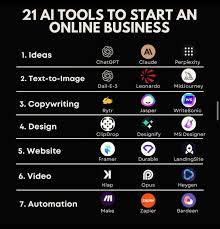
1. Synthesia
Synthesia remains one of the most polished options in the market for avatar-based video creation. You write a script, pick from a library of digital presenters, and the platform generates a video with a realistic-looking person delivering your content on screen.
Synthesia is one of the most popular video generation tools used for creating professional videos without cameras, actors, or expensive production setups. It is especially known for its ability to turn simple text into high-quality videos using realistic AI avatars.

With Synthesia, users can type a script, choose from a wide range of digital presenters, and generate a video where the avatar speaks the script naturally. The platform supports multiple languages and accents, making it ideal for global content creation. This is particularly useful for businesses, educators, and YouTubers who want to create content quickly and at scale.
One of the standout features of Synthesia is its library of AI avatars. These avatars look like real humans and can deliver your message in a professional tone. Users can also customize backgrounds, add text overlays, include branding elements, and even upload their own slides to create presentation-style videos.
Synthesia is widely used for training videos, marketing content, product demos, and social media clips. Companies often use it to create onboarding tutorials or explainer videos without hiring actors or voiceover artists.
However, while Synthesia is powerful, it does have some limitations. The customization options are somewhat limited compared to traditional video editing software, and the pricing can be a bit high for beginners. Also, although avatars are realistic, they may still lack the full emotional expression of real humans.
Overall, Synthesia is a great choice for anyone looking to create professional videos quickly, especially if you prefer a faceless or automated content creation approach.
Best for: Corporate training, explainer videos, localized content
What works well: The avatar quality is consistently clean. The lip sync is tight. You get over 230 languages supported, which is a big deal if you’re creating content for global audiences. There’s also a slide-style layout option, which works well for product walkthroughs or HR onboarding content.
What to watch: It’s not built for cinematic or highly creative video formats. If you need something that feels more like a film or a vlog, this isn’t it. It’s professional, but it stays in a corporate register.
Pricing: Starts at around $22/month for personal use, scales up for team plans.
2. Runway ML
Runway is the tool that’s been making headlines for good reason. It’s designed for more creative and experimental video work — you can generate video from text prompts, edit existing footage using text commands, and apply motion effects to static images.
Best for: Creative projects, short-form content, social media campaigns

What works well: The text-to-video generation is genuinely impressive. Describe a scene — say, a drone shot over a foggy mountain at sunrise — and Runway builds something close to that. It’s not perfect, but it’s getting there. The inpainting and object removal features are also strong for editing tasks.
What to watch: Output length is still limited. Most generations are 4–16 seconds. For long-form content, you’d need to stitch multiple generations together, which takes extra work.
Pricing: Free plan available with limited credits; paid plans start at $15/month.
3. HeyGen
HeyGen has grown quickly because it hits a sweet spot between ease of use and output quality. You can create your own avatar by recording a short video of yourself, and then use that avatar to generate new videos from text alone — without ever being on camera again.
Best for: Personal brands, solo creators, agencies managing multiple clients

What works well: The custom avatar feature is the standout here. Once you’ve recorded your base footage, you can use it repeatedly. This is especially useful for creators who want to maintain a consistent face and style without the grind of daily recording. The video translation feature — which dubs existing videos into other languages while keeping your face in sync — is also excellent.
What to watch: The free plan is quite limited. You’ll need a paid tier to get real value, especially for the custom avatar feature.
Pricing: Free plan available; paid plans from around $29/month.
4. Pika Labs
Pika is focused on short-form, high-motion video content. It’s built around animating images and generating short video clips from text — great for producing content with an artistic or cinematic feel.
Best for: Social media creators, visual storytellers, short-form ads
What works well: Pika is fast and the motion quality feels more natural than many competitors in the same price range. If you’re creating TikTok or Instagram content and want something that grabs attention visually, this tool delivers. The camera control features added in recent updates give you some basic control over movement, panning, and zoom.
What to watch: It’s primarily a short-clip tool. Don’t come here expecting to produce a 10-minute product walkthrough.
Pricing: Free tier available; premium plans from around $8/month.
5. InVideo AI
InVideo AI is the go-to for people who want a full video production workflow — script to video — without needing to piece together different tools. It’s text-first: you describe your video idea, and it writes the script, pulls stock footage, adds voiceover, and assembles everything.
Best for: YouTube creators, marketers, agencies producing volume content
What works well: The end-to-end workflow is genuinely useful for producing a high volume of videos quickly. The stock footage library is large. Voiceover customization is solid. If you need to publish ten videos this week, InVideo can help you keep that pace.
What to watch: Because it leans heavily on stock footage, some videos can feel slightly generic if you don’t spend time customizing. Worth spending extra time on the editing stage.
Pricing: Free plan with watermark; paid plans from $20/month.
Pros and Cons of Using a Video Generator Tool
Like any tool, these platforms come with trade-offs. Here’s an honest breakdown:
Pros
Speed. A video that would take a production team two days can be ready in an hour. For time-sensitive campaigns, this is a game changer.
Cost savings. No camera equipment, no studio rental, no freelance editor. The subscription cost is a fraction of what traditional production would run.
Scalability. Need 50 product videos? You can template one and replicate across your catalog. Need the same video in eight languages? Done in a fraction of the time.
Low barrier to entry. Most platforms are built for non-technical users. If you can write a script and click a few buttons, you can make a video.
Consistency. Avatar-based tools especially deliver a consistent look and delivery every time — no bad lighting days, no flubbed lines.
Cons
Creative limitations. Generated video still can’t match the depth and nuance of a professionally shot film or high-end brand commercial. If your brand relies heavily on cinematic quality, these tools won’t fully replace a production crew.
Occasional glitches. Hands, movement transitions, and background details can still look off — especially in text-to-video outputs. It requires review and sometimes manual editing.
Cookie-cutter feel. If you’re using the same avatar and template as thousands of others on the same platform, your content can start to blend in. Customization is key.
Limited interactivity. These tools produce video files. They don’t help with distribution strategy, analytics, or making your content interactive — you’ll need separate tools for those.
Learning curve (still exists). Beginner-friendly doesn’t mean no learning curve. You’ll likely need a few attempts before your first really polished output.
How to Get the Best Results from a Video Generator
Getting good output isn’t just about picking the right tool — it’s also about how you use it. Here are practical tips:
Write a tight script first. These tools work best when your script is specific and well-structured. Vague prompts give vague results. Treat the script like you would a professional brief.
Keep videos short and focused. Your first instinct might be to cram everything into one video. Resist it. A 60–90 second video with one clear message will perform better than a 5-minute sprawl.
Match the tool to the job. Use an avatar tool (like Synthesia or HeyGen) for educational or explainer content. Use a creative text-to-video tool (like Runway or Pika) for social media clips. Don’t use a hammer where you need a scalpel.
Review before publishing. Always watch your output all the way through before it goes live. Check for lip sync issues, awkward transitions, or audio problems. Most platforms have editing tools built in — use them.
Customize where possible. Swap in your brand colours, add a logo, and adjust the voiceover tone. Even small customizations help your video feel less like a template and more like your brand.
What’s Changed in 2026?
This space moves quickly. Here’s what’s meaningfully different this year compared to just 12 months ago:
Video quality has jumped. Particularly in text-to-video generation, output resolution and motion realism have improved considerably. What looked clearly artificial two years ago now often passes as genuine footage for untrained eyes.
Longer output is becoming viable. Most tools have extended the duration of generated clips. Some now support multi-scene video creation with automatic transitions — a workflow that was mostly manual before.
Voice cloning is more accessible. Many platforms now let you clone your own voice with a short recording, so your avatar sounds exactly like you — not like a generic text-to-speech engine.
Editing is getting built in. Rather than exporting and re-importing into a separate editor, platforms are integrating basic editing, captioning, and resizing directly into the video creation workflow.
Frequently Asked Questions
Can I use these tools for commercial projects?
Yes, most platforms offer commercial licensing on their paid plans. Always check the terms for the specific platform you’re using, especially regarding avatar likeness rights and stock footage usage.
Do I need any video editing experience?
No. Most of these tools are designed for complete beginners. That said, some basic understanding of how video works — pacing, structure, call to action — will help you get better results.
How long does it take to generate a video?
Most avatar-based videos with a 60-second script are generated in 5–10 minutes. Text-to-video generation can be faster for short clips (30–60 seconds) but may take longer for higher-quality outputs.
Are the avatars realistic enough for professional use?
For explainer videos, training content, and social media — yes, absolutely. For high-stakes brand campaigns where you need cinematic quality, you may still want to supplement with professionally shot footage.
Can I use my own face as an avatar?
Yes. Platforms like HeyGen and Synthesia offer custom avatar creation. You record a short consent video, and the platform creates a digital version of you that you can use repeatedly.
What’s the best free option?
Runway’s free plan and InVideo’s free tier both offer decent functionality to try before committing. Pika also has a free option that’s worth testing for short social media clips.
Will these videos rank on YouTube?
Video quality is one factor among many for YouTube performance. What matters more is a compelling title, strong thumbnail, a good retention rate, and consistent posting. Many creators are successfully growing channels using these tools — but the content strategy has to be solid.
Conclsion
Video generator tools in 2026 aren’t a replacement for creativity or strategy — they’re a way to remove the technical and financial barriers that used to stand between a good idea and a published video.
If you’re a creator trying to post more consistently, a marketer trying to stretch your budget, or a business owner who just needs a solid product video without a production bill, there’s a tool on this list that fits your situation.
Start with one platform. Make your first video. It probably won’t be perfect. That’s fine. The learning curve is short, and the tools are only getting better.