Most people write more emails than they’d like to admit. Whether you’re following up with a client, pitching to someone new, replying to a complaint, or just trying to sound professional in a message that’s been sitting in your drafts for two days, email writing takes up a surprising amount of time and mental energy.

The good news is that the best AI Tools for Email Writing in 2026 have become genuinely useful in 2026. Not in a “paste your text and get a slightly better version” way — in a “this actually saves me 30 minutes a day” way. This guide covers the best options available right now, both free and paid, so you can find what fits your workflow without wasting time on tools that don’t deliver. Email Writing
AI tools for email writing have become essential for anyone who wants to communicate faster and more effectively. Whether you are a student, business owner, freelancer, or marketer, these tools help you write clear, professional, and engaging emails in just a few minutes. Email Writing
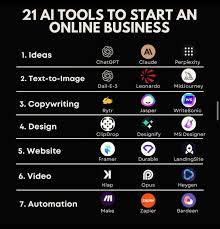
Popular tools like Grammarly, Jasper AI, Copy.ai, and Writesonic are designed to improve email quality while saving time. They can generate complete emails, suggest better wording, fix grammar mistakes, and adjust tone based on your purpose—whether it’s formal, friendly, or persuasive. Email Writing
One of the biggest benefits of these tools is automation. Instead of spending time thinking about how to start or structure an email, you can simply enter a short prompt, and the tool will create a well-organized message instantly. This is especially useful for customer support, sales outreach, job applications, and follow-ups. Email Writing
Many AI email tools also include features like tone adjustment, subject line suggestions, and personalization, helping your emails feel more human and less robotic. Some even integrate directly with email platforms like Gmail or Outlook for a smoother workflow. Email Writing
Overall, AI tools for email writing help you save time, reduce errors, and communicate more confidently in both personal and professional situations. Email Writing
Why Use an Email Writing Tool?
Before getting into the list, it’s worth being clear about what these tools actually do — and what they don’t.
A good email writing tool helps you:
- Draft emails faster when you’re staring at a blank screen
- Fix tone problems (too aggressive, too passive, too vague)
- Shorten long-winded messages without losing the point
- Write more professionally without sounding robotic
- Handle repetitive email types — follow-ups, cold outreach, customer replies — at scale
What they don’t do: replace your judgment. The best use of any writing tool is as a first-draft engine or an editor, not as a replacement for thinking about what you actually want to say.
With that said, here are the tools worth your time in 2026.
Best AI Tools for Email Writing in 2026 (Free & Paid):-Best Email Writing Tools in 2026
1. Jasper
Best for: Marketing teams and sales professionals Pricing: From $39/month (no free plan)
Jasper is one of the most capable writing tools available, and its email features are particularly strong for marketing and sales use cases. You can give it a brief — a product name, a target audience, a goal — and it produces a complete, well-structured email in seconds.

What makes Jasper stand out is the quality of the output for persuasive writing. Cold outreach emails, promotional campaigns, launch announcements — these are where Jasper earns its price tag.
Practical example: You’re launching a new SaaS feature and need to send a campaign email to 3,000 users. You give Jasper the feature name, three key benefits, and your desired tone (friendly but professional). It drafts a subject line, opening hook, body, and CTA in under a minute. You edit for brand voice and send.
Pros:
- High-quality output for sales and marketing emails
- Good at persuasive, conversion-focused writing
- Supports multiple tones and formats
- Integrates with other marketing tools
Cons:
- No free plan — expensive for individuals or small teams
- Overkill if you just need help with occasional emails
- Requires decent prompting to get the best results
2. Grammarly
Best for: Professionals who want real-time editing and tone correction Pricing: Free plan available; Premium from $12/month
Grammarly sits in a slightly different category from the others — it’s less about generating emails from scratch and more about improving what you’ve already written. But in 2026, its tone detection, clarity suggestions, and rewrite features have made it one of the most practical email tools available for everyday use.
The Gmail and Outlook integration is seamless. As you type, Grammarly flags issues and suggests fixes inline. The tone detector tells you whether your email reads as confident, apologetic, direct, or something else — which is surprisingly useful when you’re writing a difficult message and can’t tell how it sounds.
Practical example: You’re writing a reply to a frustrated customer. You draft a response, and Grammarly flags that the opening sounds defensive and the closing sounds dismissive. You accept the suggested rewrites, and the email now reads as empathetic and solution-focused. Takes 30 seconds.
Pros:
- Works directly inside Gmail, Outlook, and most browsers
- Real-time suggestions — no copy-pasting required
- Tone detection is genuinely useful
- Free plan covers the basics well
- Trusted by millions — the reliability is proven
Cons:
- The free plan doesn’t include tone suggestions or rewrites
- Not designed for generating full emails from scratch
- Premium price adds up if you only need it occasionally
3. Lavender
Best for: Sales reps writing cold outreach and follow-up emails Pricing: Free plan (limited); paid from $27/month
Lavender is built specifically for sales email writing and is one of the most focused tools on this list. It analyses your emails in real time and gives you a score based on factors that affect reply rates — subject line length, email length, personalisation, reading level, and more.
It also pulls data about your recipient from LinkedIn and other sources to suggest personalisation angles. If you’re writing cold outreach at volume, this is a meaningful advantage.
Practical example: You’re a BDR sending 50 cold emails a day. Lavender tells you your subject line is too long, your opening line is generic, and your email body is above the recommended reading level for a busy executive. You make the changes, your score goes from 62 to 88, and your reply rate improves measurably over the next two weeks.
Pros:
- Purpose-built for sales email — not a general writing tool
- Real-time scoring gives actionable, specific feedback
- Personalisation suggestions based on recipient data
- Integrates with most major CRMs and email platforms
Cons:
- Not useful if you’re not doing sales outreach
- The free plan is quite limited
- Can feel prescriptive — not every suggestion will fit your style
4. Writesonic
Best for: Small business owners and freelancers who need variety Pricing: Free plan available (limited credits); paid from $16/month
Writesonic is a versatile writing tool that covers a lot of ground — blog posts, ads, product descriptions — but its email templates are solid and cover a wide range of use cases. Welcome emails, follow-ups, promotional campaigns, re-engagement emails — there’s a template for most situations.
The free plan gives you a small number of monthly credits, which is enough to generate a handful of emails and get a feel for the tool before committing.
Practical example: You run a small online store and need to set up a 3-email welcome sequence for new subscribers. You use Writesonic’s email templates, input your brand details and offer, and get three draft emails in about five minutes. You edit for tone, add specific product details, and you’re done.
Pros:
- Wide range of email templates
- Affordable paid plans
- Free plan available for testing
- Good for one-person businesses without dedicated copywriters
Cons:
- Output quality varies — some templates produce better results than others
- Free plan credits run out quickly
- Less specialised than tools like Lavender or Jasper
5. ChatGPT (via OpenAI)
Best for: Flexible, on-demand email drafting for any situation Pricing: Free plan available; Plus at $20/month
ChatGPT isn’t purpose-built for email, but it’s one of the most flexible and useful tools for drafting all kinds of emails — especially unusual or complex ones that don’t fit a standard template. The free plan is capable enough for most individual users. Email Writing
The key is knowing how to prompt it well. The more context you give — who you’re writing to, what you want to achieve, what tone you want, any background on the situation — the better the output.
Practical example: You need to write a polite and firm email to a supplier who has missed three deadlines. It’s a sensitive situation — you don’t want to be aggressive, but you need to make clear the relationship is at risk. You explain the situation to ChatGPT, ask for a professional but direct email, and get a solid draft in seconds. You add a few specific details and send.
Pros:
- Extremely flexible — handles any email type or situation
- The free plan is genuinely useful
- Great for complex, one-off emails that don’t fit templates
- Can rewrite, shorten, and change tone on demand
Cons:
- Requires good prompting — vague inputs produce mediocre outputs
- No Gmail or Outlook integration (without third-party tools)
- Not optimised specifically for email metrics like open rates or reply rates
6. Flowrite
Best for: Professionals who want full emails from bullet points Pricing: Free trial; paid from $4/month
Flowrite takes a different approach. You write three to five bullet points about what you want to say, choose a tone, and it produces a complete, well-written email. It’s particularly well-suited for people who know what they want to say but struggle to put it into polished prose.
The browser extension works inside Gmail, making it one of the most integrated options on this list. Email Writing
Practical example: You need to follow up on a proposal you sent two weeks ago. You write: “sent proposal two weeks ago, no reply, following up, want to know if they have questions, keep it friendly.” Flowrite turns that into a clean, professional follow-up email in the right tone — ready to send with minor edits.
Pros:
- Works inside Gmail directly
- Bullet-point input is fast and natural
- Good output quality for professional emails
- Very affordable paid plan
Cons:
- Less control over the final output than tools like ChatGPT
- Not suited for long-form or complex email sequences
- Smaller feature set than larger platforms
7. Rytr
Best for: Budget-conscious users who need solid email drafts Pricing: Free plan (10,000 characters/month); paid from $9/month
Rytr is one of the most affordable tools on this list, with a free plan generous enough to be genuinely useful. It has a dedicated email section with templates for different scenarios — cold email, follow-up, thank you, complaint response — and the output is clean and professional. Email Writing
It won’t blow you away with creativity, but for standard professional email writing, it does the job well at a price that’s hard to argue with. Email Writing
Pros:
- Generous free plan
- Very affordable paid tier
- Clean, professional output
- Good range of email templates
Cons:
- Output can feel formulaic for creative or unusual email types
- Less powerful than premium tools like Jasper
- Limited personalisation features
Free vs Paid Email Writing Tools: What’s the Real Difference?
Here’s an honest breakdown:
Free plans are fine for:
- Occasional email drafting (a few times a week)
- Individual users without high-volume needs
- Testing tools before committing to a subscription
- Simple email types — follow-ups, thank yous, basic outreach
Paid plans are worth it for:
- Daily email writing at volume
- Sales teams with measurable outreach targets
- Marketing campaigns where quality directly affects revenue
- Advanced features like tone analysis, CRM integration, and personalisation
If you’re an individual professional, start with Grammarly Free or ChatGPT Free. If you’re in sales, try Lavender’s free plan. If you’re running a small business, Writesonic or Rytr’s free tiers are worth testing before upgrading.
Tips for Getting Better Results From Any Email Writing Tool
Give more context, get better output. Every tool on this list works better when you tell it who you’re writing to, why, and what you want to happen as a result. “Write a follow-up email” produces mediocre results. “Write a friendly follow-up to a potential client who requested a proposal two weeks ago and hasn’t replied — I want to check in without being pushy” produces something usable.
Always edit before sending. These tools produce drafts, not finished emails. Read everything before it goes out. Check that the tone is right, the specific details are accurate, and the sign-off matches how you actually communicate.
Use the right tool for the job. Grammarly is better for fixing emails you’ve already written. ChatGPT is better for unusual situations. Lavender is better for cold sales outreach. Using a general tool for a specialist task will produce general results.
Keep your prompts saved. If you regularly write the same type of email — weekly client updates, invoice follow-ups, partnership pitches — save the prompt that works well. You can reuse it every time and just change the specific details.
Frequently Asked Questions
Which is the best free email writing tool in 2026? For most people, either Grammarly Free or ChatGPT Free is the best starting point. Grammarly works inside your email client and improves what you write in real time. ChatGPT is better for drafting full emails from scratch, especially complex or unusual ones. Both are free and genuinely useful without upgrading.
Can these tools write emails in my tone of voice? To varying degrees, yes. Tools like Jasper and ChatGPT can match a tone you describe or mimic a sample you provide. The results are better when you give examples of your writing style or describe your tone clearly (e.g., “direct, friendly, no corporate jargon”).
Are email writing tools safe to use for confidential emails? This depends on the tool and your organisation’s policies. Most tools process your text on their servers, which means sensitive information passes through a third-party system. For highly confidential emails — legal matters, HR issues, financial details — either use a tool with enterprise-grade privacy guarantees or write those emails yourself.
Will using a writing tool make my emails sound generic? Only if you don’t edit. Raw output from any tool tends to sound slightly templated. The edit step — adding specific details, adjusting phrasing to sound like you, removing any filler — is what makes the difference between a generic email and one that reads naturally.
Do these tools work with Gmail and Outlook? Grammarly and Flowrite work directly inside Gmail and Outlook via browser extensions. Lavender integrates with Gmail and most sales email platforms. ChatGPT, Jasper, Writesonic, and Rytr are typically used separately — you draft in the tool, then paste into your email client.
Is Jasper worth the price for email writing alone?
Probably not, if email is the only thing you need it for. Jasper is more cost-effective when you use it across multiple content types — emails, blog posts, social media, and ad copy. If you only need email help, Grammarly Premium or Lavender is a better value for the specific use case.
Can I use these tools for email newsletters?
Yes. Most tools on this list can handle newsletter-style emails. Jasper and Writesonic are particularly well-suited for promotional or campaign emails. For plain-text newsletters with a personal voice, ChatGPT tends to produce more natural-sounding drafts than template-based tools.
Conclsion
Email writing tools in 2026 have reached a point where even the free options are legitimately useful — not just demos designed to frustrate you into upgrading.
For most people, the best starting point is simple: use Grammarly Free inside your email client for day-to-day writing, and use ChatGPT for the emails you genuinely find difficult — the sensitive ones, the complex ones, the ones you’ve been putting off. That combination costs nothing and covers a huge range of situations.
If you’re in sales and sending high volumes of cold outreach, Lavender is worth every rupee of its subscription. If you’re running a small business and need to look professional without hiring a copywriter, Writesonic or Rytr give you real value at an accessible price.
Pick one tool, try it for two weeks, and see whether it actually saves you time. If it does, it pays for itself quickly. If it doesn’t, move on — there are plenty of options to try.