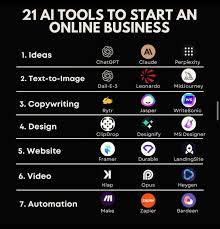
Creating professional-quality videos has never been easier, thanks to the latest AI-powered video editing tools available in 2026. Whether you’re a YouTuber, content creator, marketer, educator, or business owner, these tools can help you edit videos faster, generate captions automatically, remove backgrounds, enhance audio, and even create videos from simple text prompts.

Modern AI video editors save hours of manual work by automating time-consuming tasks such as scene detection, object removal, color correction, voice enhancement, subtitle generation, and smart resizing for different social media platforms. Many also include built-in templates, stock media libraries, and collaboration features, making them suitable for both beginners and professional editors.
In this guide, we’ll compare the best AI video editing tools in 2026, covering their key features, pricing, pros and cons, and the types of users they’re best suited for. Whether you’re looking for a free AI video editor, an advanced professional editing platform, or a tool for creating engaging social media content, you’ll find the right option to streamline your video production workflow.
Video editing used to take hours — trimming clips, syncing audio, adding captions, colour grading, and exporting in the right format. In 2026, a new wave of smart video editing tools has changed all of that. These tools handle the heavy lifting automatically, so you spend more time on your ideas and less time wrestling with a timeline.
Whether you’re a YouTuber, a social media content creator, a small business owner making promo videos, or someone who wants to edit clips from their phone — this guide breaks down the best smart video editing tools in 2026, what each one does well, and which one is right for your workflow.
Why Smart Video Editing Tools Are Worth Using in 2026
The old way of editing video required either years of practice with software like Premiere Pro or Final Cut, or hours spent on basic edits even with simpler tools. The newer tools work differently — they analyse your footage, detect speech and scenes, auto-cut silences, generate captions, and sometimes even suggest edits based on what you’re making.
For creators producing content at volume — multiple videos per week across YouTube, Instagram Reels, and TikToks — these tools are genuinely useful. They cut editing time by 50–70% in many cases, which adds up fast.
Even for casual users, they make the whole process less intimidating.
Best Smart Video Editing Tools in 2026: AI Video Editing Tools
Here’s a detailed breakdown of the top tools available this year, covering what they do, who they’re for, and what the limitations are.
1. Descript
Descript is one of the most unique video editing tools out there. Instead of editing on a traditional timeline, you edit your video by editing a transcript. Delete a word from the transcript, and that section of video gets removed automatically.
It also has a feature called Overdub, which lets you clone your own voice and fix audio mistakes by retyping — no re-recording needed. For podcasters and talking-head video creators, this is a massive time-saver.
Key features:
- Transcript-based editing
- Auto-removal of filler words (“um,” “uh,” “like”)
- Screen recording built in
- Captions and subtitles automatically generated
- Studio Sound feature that removes background noise
Practical example: You record a 20-minute interview for YouTube. Instead of scrubbing through the timeline to find awkward pauses and filler words, Descript shows you the full transcript. You highlight the bad sections in text and delete them — the video cuts match instantly. What used to take 90 minutes now takes 20.
Pricing: Free plan available (limited watermark-free exports). Paid plans start at around $12/month.
Best for: Podcasters, interview-style YouTubers, educators, and anyone doing a lot of talking-head content.
2. CapCut (Desktop & Web)
CapCut started as a mobile app and has grown into a full desktop and web editor that’s surprisingly powerful for its price (free). In 2026, it’s one of the most widely used tools among short-form content creators, especially for Instagram Reels and TikTok.
It comes packed with auto-caption generation, background removal, beat-sync tools that cut your video to the rhythm of the music, and a huge library of templates you can drop your footage into.
Key features:
- Auto-captions in multiple languages
- Beat sync for music-driven edits
- Background removal without a green screen
- Huge template library for Reels, TikTok, and YouTube Shorts
- Text-to-video and video enhancement features
Practical example: You’ve shot some travel footage from a trip. Open CapCut, pick a trending Reels template, drop your clips in, and the tool auto-syncs cuts to the music beat. Add auto-captions, export — done in under 15 minutes. No editing experience needed.
Pricing: Free. CapCut Pro unlocks additional features at around $9.99/month.
Best for: Short-form content creators, social media managers, beginners, and mobile-first users.
3. Runway ML
Runway is a more advanced tool, popular with filmmakers, video artists, and professional content teams. It goes well beyond basic editing — you can remove objects from video, change backgrounds in real time, generate video clips from text prompts, and apply cinematic effects.

The Gen-3 Alpha model in Runway allows you to generate short video scenes that you can blend into your existing footage — something that was only possible in big-budget productions a few years ago.
Key features:
- Object and person removal from video
- Background replacement (without green screen)
- Video inpainting (fill in removed sections seamlessly)
- Text-to-video generation
- Motion tracking and masking
Practical example: You’re making a product promo video and your background is a messy room. Using Runway’s background removal, you swap it out for a clean studio look — no reshooting, no green screen setup. Then you add a generated B-roll clip to pad out the video. The whole thing looks professional with a fraction of the effort.
Pricing: Free plan includes limited credits. Paid plans start at $15/month.
Best for: Filmmakers, creative agencies, advanced YouTubers, and video artists.
4. Adobe Premiere Pro (with Sensei Features)
Premiere Pro Download now is the industry standard for professional video editing, and in 2026, it’s loaded with built-in smart features powered by Adobe Sensei. These include auto-reframe (which resizes your video for different aspect ratios automatically), speech-to-text captions, scene edit detection, and colour match across clips.
If you’re already in the Adobe ecosystem — using Photoshop, After Effects, or Lightroom — Premiere Pro fits naturally into that workflow.
Key features:
- Auto Reframe for social media formats
- Speech-to-text captions (built-in, no third-party tool needed)
- Scene Edit Detection — automatically detects cuts in imported footage
- Colour match across multiple clips
- Deep integration with After Effects and Audition
Practical example: You’ve got a 10-minute YouTube video that you also want to post as a Reels cut and a YouTube Short. Instead of re-editing three times, use Auto Reframe — it analyses the scene and automatically adjusts the crop for 9:16, 1:1, and 16:9 versions. Done in a couple of clicks.
Pricing: Part of Adobe Creative Cloud. Starts at around $22.99/month for just Premiere, or $59.99/month for the full Creative Cloud suite.
Best for: Professional editors, filmmakers, agencies, and anyone already using Adobe tools.
5. Pictory
Pictory is built specifically for turning long-form content into short, shareable clips — and it does this very well. You paste in a blog post, a script, or a long video, and Pictory auto-generates a shorter video with relevant stock footage, captions, and background music.
It’s a favourite among marketers, bloggers, and educators who want to repurpose written content into video without spending hours in an editor.
Key features:
- Blog-to-video conversion
- Long video to short highlights automatically
- Auto-captions and branded templates
- Stock footage library built in
- Voiceover generation for narration
Practical example: You’ve written a 2,000-word blog post about the best budgeting apps. Paste it into Pictory, and within a few minutes it generates a 90-second video with matching visuals, auto-captions, and background music — ready for YouTube or LinkedIn. No manual editing at all.
Pricing: Plans start at $19/month. No permanent free plan, but a trial is available.
Best for: Bloggers, marketers, educators, and businesses repurposing written content.
6. Veed.io
Veed.io is a browser-based video editor that’s easy to use and focused on quick edits — especially captions, subtitles, translations, and social media formatting. It’s a go-to for creators who need professional-looking captions fast.
One of its standout features is automatic subtitle translation — you upload a video in English, and it can generate subtitles in over 100 languages automatically, which is a massive win for creators targeting international audiences.
Key features:
- Auto-subtitles and translation in 100+ languages
- Noise removal
- Video trimming and merging
- Brand kit (logos, colours, fonts)
- Export directly to social media platforms
Practical example: You run a cooking channel and want to reach Spanish-speaking viewers. Upload your English video to Veed.io, generate auto-subtitles, click Translate to Spanish, review them quickly, and export. Your video now has accurate Spanish subtitles without hiring a translator.
Pricing: Free plan available with watermark. Paid plans start at $18/month.
Best for: Creators targeting multilingual audiences, educators, and anyone focused on captioning and subtitles.
7. OpusClip
OpusClip is built for one specific job — taking a long video and automatically cutting it into short clips ready for TikTok, Reels, and YouTube Shorts. It identifies the most engaging moments, adds captions, and even scores each clip for “virality potential.”
If you’re a podcaster, live streamer, or long-form YouTuber who wants to repurpose content for short-form platforms without manually watching everything back, OpusClip saves significant time.
Key features:
- Auto-clip generation from long videos
- Virality scoring per clip
- Auto-captions with animated text
- Speaker detection and auto-reframe
- Direct export to TikTok, Instagram, and YouTube
Practical example: You upload a 45-minute podcast episode. OpusClip scans it, picks out 8–12 clips that had the best moments — a strong quote, a funny moment, a key insight — adds animated captions, and resizes them for vertical video. You review them in 10 minutes and schedule them for the week.
Pricing: Free plan with limited clips per month. Paid plans from $9/month.
Best for: Podcasters, long-form YouTubers, live streamers, and content repurposers.
Pros and Cons of Smart Video Editing Tools
Pros
Speed. Tasks that used to take hours — cutting silences, adding captions, reformatting for different platforms — now take minutes. For high-volume creators, this is genuinely transformative.
Low learning curve. Most of these tools are designed to be accessible. You don’t need to know what a keyframe is to use Descript or CapCut effectively.
Cost-effective. Several strong tools (CapCut, Descript free tier, OpusClip free tier) are available at no cost, making professional-quality video accessible to creators at any budget level.
Consistency. Auto-captions, brand kits, and templates help keep your content looking consistent across every video — which matters for channel branding.
Repurposing content. Tools like Pictory and OpusClip make it easy to squeeze more out of every piece of content you produce, turning one long video into a week’s worth of short-form posts.
Cons
Quality control still needed. Auto-captions aren’t always 100% accurate, especially with accents, technical terms, or fast speech. You’ll still need to review and correct them before publishing.
Over-reliance on templates. Leaning too heavily on preset templates can make your content look generic, especially as more creators use the same tools with the same looks.
Export limits on free plans. Most free tiers either watermark your videos, cap the number of exports, or limit resolution. For serious creators, a paid plan is usually necessary.
Not a replacement for creative decisions. These tools handle the mechanical side of editing. The creative choices — pacing, story, tone, what to include and what to cut — still require a human eye.
Internet dependency. Many of these are browser-based or cloud-based, meaning a slow internet connection can slow down your workflow. Offline editing is limited or unavailable in most cases.
How to Choose the Right Tool for Your Needs
If you’re just starting: CapCut is the easiest entry point — free, fast, and packed with templates for short-form content.
If you make talking-head or interview videos: Descript is worth trying. The transcript-based editing approach is genuinely faster than traditional timeline editing for this format.
If you’re a professional or work in a team: Adobe Premiere Pro is still the industry standard. The smart features built into it in 2026 make it more efficient than ever.
If you create long-form content and want to repurpose it: OpusClip (for video clips) or Pictory (for blog-to-video) will save you hours every week.
If you need multilingual subtitles: Veed.io has the best subtitle translation workflow of any tool in this list.
If you want advanced visual effects: Runway ML offers the most creative possibilities, from object removal to generating new footage.
Frequently Asked Questions
Q: Which is the best free video editing tool in 2026?
CapCut is the strongest free option for most users — especially for short-form content. It has no watermark on most exports, a large template library, and auto-caption support. For desktop editing with transcript-based features, Descript’s free tier is also worth trying.
Q: Can these tools replace a professional video editor?
For straightforward content — YouTube vlogs, social media clips, educational videos — these tools handle 80–90% of what a basic editor would do. For complex productions involving colour grading, motion graphics, or narrative storytelling, a skilled human editor is still better.
Q: Are smart video editing tools good for beginners?
Yes — most of them are designed with beginners in mind. CapCut and Veed.io in particular require almost no technical knowledge. You can have a polished video ready to publish within your first hour of using either tool.
Q: Which tool is best for YouTube Shorts and Reels?
CapCut and OpusClip are the two strongest options for short-form vertical content. CapCut is better if you’re creating from scratch; OpusClip is better if you’re repurposing existing long-form content.
Q: Do these tools work on mobile?
CapCut has one of the best mobile editing apps available. Veed.io and Descript have mobile-friendly browser interfaces. Runway ML and Premiere Pro are primarily desktop experiences, though Premiere Rush (Adobe’s lighter app) works well on mobile.
Q: Is Adobe Premiere Pro worth it in 2026?
If you’re serious about video production and need advanced control — yes. For casual creators or those focused on short-form content, the price is hard to justify when free tools like CapCut do the job well enough.
Q: How accurate are auto-captions in these tools?
Generally 85–95% accurate for clear, standard speech in English. Accuracy drops with strong accents, technical vocabulary, or noisy audio. Always review captions before publishing — a caption error in a professional video looks bad, and it only takes a minute to catch.
Conclsion
The best smart video editing tool in 2026 depends entirely on what you’re making and how often you’re making it. There’s no single tool that wins across every use case.
For short-form creators, CapCut is hard to beat on price and ease of use. For long-form YouTubers and podcasters, Descript and OpusClip are workflow game-changers. For professionals who need full control, Premiere Pro remains the gold standard — now with genuinely useful built-in automation features.
The good news is that most of these tools have free plans or trials, so you can test a couple before committing. Pick one that fits how you actually work, spend a week getting familiar with it, and you’ll wonder how you managed without it.
Better videos, less time — that’s what 2026 editing looks like.