
If you’ve been searching for a way to browse safely without spending money, you’re not alone. Millions of people every year look for free VPN proxy services — whether it’s to unlock content, stay safe on public Wi-Fi, or just keep their activity private. In 2026, there are more options than ever, but there’s also more confusion about which ones actually work and which ones are just a waste of time (or worse, a privacy risk).
This guide covers everything you need to know about free VPN proxy services in 2026 — what they are, the best ones to try, what to watch out for, and how to pick the right one for your needs.

best free VPN proxy services in 2026? Whether you want to protect your privacy, access geo-restricted websites, browse securely on public Wi-Fi, or hide your IP address, a reliable free VPN proxy can help without requiring a paid subscription.
VPN Proxy Services Free In 2026, free VPN proxy services have become faster, more secure, and easier to use across Windows, macOS, Android, iPhone, and web browsers. While free plans often come with limitations such as data caps, fewer server locations, or reduced speeds, many trusted providers still offer strong encryption, no-log policies, and dependable performance for everyday browsing and streaming.
This guide compares the best free VPN proxy services in 2026, highlighting their key features, advantages, limitations, supported devices, and ideal use cases. Whether you’re looking for unlimited free browsing, enhanced online privacy, or a secure way to access blocked content, you’ll find the right VPN proxy service to match your needs.
What Is a VPN Proxy Service, and Why Do People Use Them?
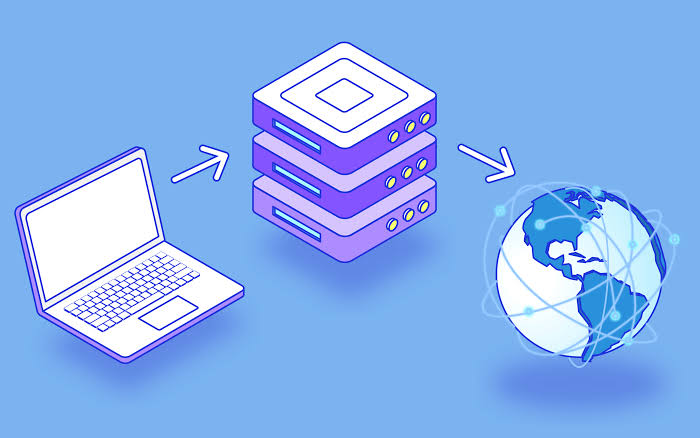
Let’s start with the basics. A VPN (Virtual Private Network) and a proxy server both do a similar job — they sit between your device and the internet, masking your real IP address and making it look like you’re somewhere else. But they work differently under the hood.
A proxy just redirects your web traffic. It’s lightweight and fast, but it doesn’t encrypt your data. A VPN does both — it hides your IP and wraps your entire connection in encryption, so even your internet provider can’t see what you’re doing.
In 2026, many services combine both: they give you proxy-like speed with VPN-level protection. These are what most people mean when they say “VPN proxy services.”
People use them for all kinds of reasons:
- Watching content that’s blocked in their country (like US Netflix or BBC iPlayer)
- Staying safe while connected to airport or café Wi-Fi
- Getting around workplace or school website filters
- Avoiding tracking by advertisers
- Accessing sites that are restricted by government censorship
The good news? You don’t always have to pay for these. There are solid free options that genuinely work in 2026.
Best VPN Proxy Services Free in 2026
Here are the top free VPN and proxy services worth using right now. These have been selected based on reliability, data limits, server availability, and privacy policies.
1. Proton VPN Free
Proton VPN’s free plan is one of the most trusted in the space — and for good reason. It offers unlimited data, which is extremely rare for a free VPN. You get access to servers in three countries (USA, Netherlands, and Japan), and the speeds are decent enough for browsing and streaming light content.
The privacy policy is solid — they’ve been independently audited and are based in Switzerland, outside the reach of US and EU surveillance laws.
Best for: People who want a no-data-cap free VPN and don’t need a wide choice of server locations.
Practical example: If you’re a student in India who wants to access research papers on sites that are geo-restricted, Proton VPN Free gives you a stable US server with unlimited browsing — no subscription needed.
2. Windscribe Free
Windscribe gives you 10 GB of free data per month — which goes up to 15 GB if you confirm your email. You get servers in over 10 countries on the free plan, which is better than most competitors.
It also has a built-in ad and tracker blocker called ROBERT, which is useful on its own. The Chrome and Firefox browser extensions are especially handy if you just want a quick proxy for your browser without installing an app.
Best for: Casual browsing, light streaming, and anyone who wants a browser-based proxy option.
Practical example: If you need to access a website that’s blocked at your office, just install the Windscribe browser extension, connect to a UK or US server, and you’re done — no full app installation required.
3. Hotspot Shield Free
Hotspot Shield has been around for years and continues to be one of the most downloaded free VPN apps in 2026. The free version gives you 500 MB of data per day, which adds up to around 15 GB per month if used consistently.
The speeds are good — Hotspot Shield uses its own Hydra protocol, which is known for being fast. The catch is that the free version only gives you access to US servers.
Best for: Daily browsing and occasional video calls.
Practical example: If you’re traveling and need to log into your US bank account (which sometimes blocks foreign IPs), Hotspot Shield’s US-only free server is exactly what you need.
4. Tunnelbear Free
Tunnelbear is friendly, easy to use, and one of the most beginner-friendly free VPNs available. The free plan gives you 2 GB per month, which is low — but the app experience is clean, and it supports all major platforms including iOS, Android, Windows, and Mac.
TunnelBear also publishes third-party security audits every year, which shows they take privacy seriously.
Best for: Occasional use and users who are new to VPNs.
Practical example: If you’re at a coffee shop and want to safely check your email or log into your social media without worrying about someone on the same Wi-Fi spying on you, Tunnelbear handles that with zero setup fuss.
5. hide.me Free
hide.me offers a free plan with 10 GB per month and servers in five locations. Unlike some other free VPNs, it doesn’t inject ads, doesn’t track your usage, and has a solid no-logs policy.
The free plan is limited to one device, but it supports all major platforms. It’s based in Malaysia, which is outside the 5/9/14 Eyes surveillance alliance.
Best for: Privacy-focused users who want a trustworthy free option without annoying ads.
6. Urban VPN (Browser Proxy)
If you don’t want to install any app and just need a quick proxy in your browser, Urban VPN is a lightweight Chrome and Firefox extension that lets you route your browser traffic through servers in dozens of countries — completely free.
Keep in mind this is a proxy, not a full VPN, so it only covers your browser traffic and doesn’t encrypt your entire device.
Best for: Quick access to geo-blocked websites without leaving your browser.
Types of Proxy Servers
Proxy servers come in different types, each designed for specific purposes such as privacy, security, web scraping, or accessing restricted content. Here are the most common types of proxy servers in 2026.
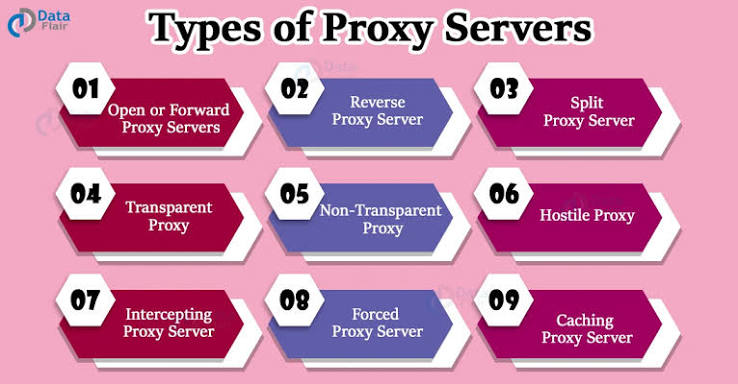
1. HTTP Proxy
An HTTP proxy is designed to handle standard web traffic. It routes HTTP requests through an intermediary server, hiding your IP address from the websites you visit. HTTP proxies are commonly used for web browsing, content filtering, and accessing region-restricted websites. However, they do not encrypt your internet traffic, making them less secure than VPNs.
2. HTTPS (SSL) Proxy
An HTTPS proxy works like an HTTP proxy but supports encrypted HTTPS connections. It provides better security by encrypting the communication between your browser and the proxy server. This type of proxy is ideal for secure web browsing, online banking, and accessing websites that require HTTPS.
3. SOCKS Proxy
A SOCKS proxy operates at a lower network level and can handle almost any type of internet traffic, including web browsing, gaming, file transfers, email, and peer-to-peer applications. SOCKS5 is the latest version and supports authentication, making it more secure and versatile than older SOCKS protocols.
4. Transparent Proxy
A transparent proxy intercepts internet traffic without requiring any configuration on the user’s device. It is commonly used by schools, businesses, and internet service providers to monitor, filter, or cache web content. Since it doesn’t hide your IP address, it offers little privacy.
5. Anonymous Proxy
An anonymous proxy hides your real IP address while identifying itself as a proxy server. It improves online privacy by preventing websites from seeing your actual location, making it useful for general browsing and avoiding basic tracking.
6. Elite (High Anonymity) Proxy
Elite proxies provide the highest level of anonymity. They completely hide your IP address and do not reveal that you’re using a proxy server. These proxies are popular among users who prioritize privacy, security, and anonymous web browsing.
7. Residential Proxy
Residential proxies use real IP addresses assigned by internet service providers to homeowners. Because they appear as genuine residential users, they are less likely to be blocked by websites. They are widely used for market research, ad verification, and accessing location-specific content.
8. Datacenter Proxy
Datacenter proxies are hosted in cloud data centers instead of residential networks. They are generally faster and more affordable than residential proxies but are easier for websites to detect and block. They are commonly used for web scraping, automation, and high-speed browsing.
9. Reverse Proxy
A reverse proxy sits in front of web servers rather than users. It distributes incoming traffic across multiple servers, improves website performance, enhances security, and helps protect against cyberattacks such as DDoS attacks. Reverse proxies are widely used by businesses and large websites.
10. Rotating Proxy
A rotating proxy automatically changes your IP address at regular intervals or after each request. This helps reduce the risk of IP bans and is commonly used for web scraping, SEO monitoring, price comparison, and large-scale data collection.
Which Proxy Type Should You Choose?
- HTTP Proxy: Basic web browsing
- HTTPS Proxy: Secure browsing and encrypted connections
- SOCKS5 Proxy: Gaming, streaming, torrents, and multiple protocols
- Transparent Proxy: Network management and content filtering
- Anonymous Proxy: Basic online privacy
- Elite Proxy: Maximum anonymity
- Residential Proxy: Accessing geo-restricted content and avoiding detection
- Datacenter Proxy: Fast browsing and automation
- Reverse Proxy: Website security and traffic management
- Rotating Proxy: Web scraping and large-scale automated tasks
Pros and Cons of Free VPN Proxy Services
Free is appealing — but it comes with trade-offs. Here’s an honest breakdown:
Pros
No cost. The obvious benefit. You can protect your privacy and bypass geo-restrictions without paying for a subscription.
Easy to set up. Most free VPN apps take under two minutes to download and start using. No credit card, no lengthy signup.
Good enough for light use. If you just need to check a blocked website or secure your connection on public Wi-Fi, free plans handle that just fine.
Some are genuinely trustworthy. Options like Proton VPN Free and hide.me have been audited and proven to respect user privacy — they’re not selling your data on the side.
Cross-platform support. Most work on Windows, Mac, Android, and iOS, so you can use one free account across devices.
Cons
Data limits. Most free plans cap your usage — 2 GB to 15 GB per month is typical. If you want to stream HD video, you’ll burn through that quickly.
Fewer server locations. Free plans usually give you 3–10 server countries, while paid plans unlock 60–100+. This limits your ability to access content from specific regions.
Slower speeds. Free users are often deprioritized on servers shared with paid customers. During peak hours, speeds can drop noticeably.
Risk of shady providers. Not all free VPNs are safe. Some collect your browsing data and sell it to advertisers — which is the opposite of what you want from a privacy tool. Always check the privacy policy before installing.
No advanced features. Features like kill switches, split tunneling, multi-hop connections, and dedicated streaming servers are typically reserved for paid plans.
Device limits. Most free plans only allow one or two simultaneous connections.
How to Choose the Right Free VPN Proxy in 2026
With so many options, it helps to know what to look for. Here’s a quick checklist:
Check the privacy policy. Does the service have a no-logs policy? Has it been independently audited? If they can’t answer that clearly, move on.
Look at the data limit. If you’re a heavy user, Proton VPN Free (unlimited) or Windscribe (10–15 GB/month) are better picks than Tunnelbear (2 GB/month).
Consider your use case. Just need a browser proxy for one website? A browser extension like Windscribe or Urban VPN works fine. Want full device protection on public Wi-Fi? Go with a full VPN app.
Avoid random or unknown free VPNs. There are hundreds of “free VPN” apps in app stores with zero reputation, fake reviews, and suspicious permission requests. Stick to the well-known names listed here.
Check server locations. If you specifically want to access US Netflix or UK BBC iPlayer, make sure the free plan includes servers in those countries.
Common Mistakes People Make With Free VPNs
Using a VPN just to torrent freely. Free VPNs typically block P2P traffic, and even if they don’t, the low data caps make it impractical. For torrenting, a paid VPN is the better path.
Assuming free = anonymous. A VPN hides your IP and encrypts your traffic — but it doesn’t make you completely invisible. Sites can still track you through cookies, browser fingerprinting, and logged-in accounts.
Installing any app that shows up first in search results. The first result in an app store for “free VPN” is often not the safest option. Always look up the provider, read reviews on independent sites, and check if their privacy policy is publicly available.
Forgetting to disconnect. Leaving your VPN on 24/7 on a data-capped free plan will drain your monthly allowance fast. Connect when you need it, disconnect when you’re done.
Are Free VPN Proxy Services Legal in 2026?
In most countries, yes — using a VPN or proxy is completely legal. Countries like the US, UK, Canada, Australia, and India allow VPN use without restriction.
However, in some countries — including China, Russia, Iran, and the UAE — VPN use is restricted or regulated. Using an unauthorized VPN in these regions can carry penalties, so always check local laws if you’re traveling.
Also worth noting: using a VPN doesn’t make illegal activities legal. A VPN protects your privacy, but you’re still responsible for what you do online.
Frequently Asked Questions
Q: Are free VPN proxy services actually safe to use?
Some are, some aren’t. Stick to reputable providers like Proton VPN, Windscribe, or hide.me — these have published privacy policies and third-party audits. Avoid unknown apps that ask for unnecessary permissions or don’t explain how they make money.
Q: Can I use a free VPN to watch Netflix in 2026?
It depends. Netflix actively blocks most VPN servers. Free VPNs have even less ability to get around these blocks since they rarely update their server IPs. Proton VPN Free and Windscribe sometimes work, but it’s inconsistent. For reliable streaming, a paid VPN is more effective.
Q: What’s the difference between a VPN and a proxy?
A proxy only reroutes your browser traffic and doesn’t encrypt it. A VPN encrypts all traffic from your device and hides your IP at the system level. For casual browsing, a proxy works. For security, go with a VPN.
Q: Is Proton VPN Free really unlimited?
Yes — Proton VPN’s free plan has no data cap. The trade-off is that you only get three server locations and speeds can be slower than paid plans. But for day-to-day private browsing, it’s more than enough.
Q: Do free VPNs slow down internet speed?
Usually, yes — but how much depends on the provider and which server you pick. Servers closer to your actual location will be faster. During off-peak hours (early morning or late at night), speeds tend to be better since fewer people are using the same server.
Q: Can I use a free VPN on my phone?
Absolutely. All the major free VPNs mentioned here — Proton VPN, Windscribe, Tunnelbear, Hotspot Shield, and hide.me — have apps for both Android and iOS. They’re lightweight and easy to set up.
Q: Is there a completely free VPN with no data limit?
Yes. Proton VPN Free is the only well-known VPN with zero data limits on its free plan. It’s the best option if you need to stay connected for extended periods without worrying about hitting a cap.
Conclsion
Free VPN proxy services have come a long way. In 2026, you genuinely don’t have to spend money to get a decent level of privacy and access online — as long as you pick the right provider.
For most everyday users, Proton VPN Free is the top pick because of its unlimited data and solid privacy record. If you need more server variety, Windscribe is a close second. And if you just need something quick in your browser, Windscribe’s extension or Urban VPN gets the job done without any installation.
Just remember — free plans have limits. If you’re streaming HD video every day, downloading large files, or need consistent access to geo-blocked content, a paid plan will serve you much better. But for occasional secure browsing, checking blocked sites, or protecting yourself on public Wi-Fi? Free works just fine.
Stay safe out there — and always check who’s behind the VPN before you hand over your internet traffic.