Video editing used to mean hours stuck in complicated software, watching tutorials just to figure out how to cut a clip. That’s changed a lot. Today, smart online tools can trim, caption, color-correct, and even generate scenes for you in minutes — and many of them are free to start with.
If you’re a content creator, small business owner, or just someone who wants to make a nice video for social media without spending on expensive software, this guide covers the best free online tools available right now in 2026. We’ll go through what each one does well, where it falls short, and how to actually use it.
Video Editing Free Online: Creating professional-quality videos no longer requires expensive software or advanced editing skills. In 2026, free online AI video editing tools make it easy to trim clips, remove backgrounds, add subtitles, generate voiceovers, apply effects, and even create complete videos in minutes—all from your web browser. Whether you’re a YouTuber, content creator, student, marketer, or small business owner, these tools can help you produce high-quality videos without downloading complex software.
The best free AI video editing platforms combine automation with easy-to-use editing features, saving hours of manual work while delivering impressive results. Many also offer free plans that are perfect for editing social media videos, YouTube content, presentations, and promotional clips.
In this guide, we’ve selected the best free online AI video editing tools for 2026 based on features, ease of use, free plan limitations, export quality, and overall value. Whether you’re editing your first video or looking to speed up your workflow, you’ll find a tool that fits your needs.
Why Smart Editing Tools Are Worth Trying in 2026
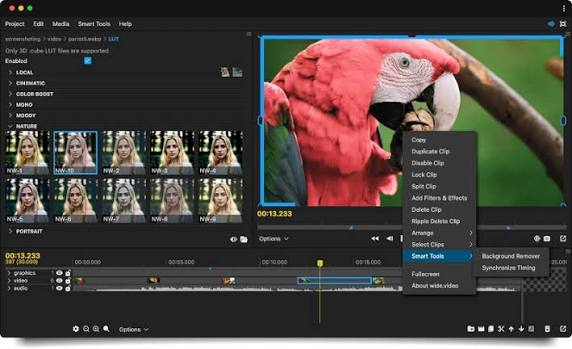
A few years back, “free video editor” usually meant something clunky with a big watermark stamped across your footage. That’s no longer the case. Modern browser-based editors now offer:
- Automatic scene detection and cutting
- Voice-to-text captions in multiple languages
- Background removal without a green screen
- One-click color grading
- Script-to-video generation for faceless channels
The best part? Most of these run directly in your browser. No downloads, no waiting for renders on your laptop’s outdated processor.
Top Free Online Video Editing Tools in 2026:Video Editing Free online
1. CapCut Web
CapCut has become the go-to choice for creators making short-form content for Instagram Reels, YouTube Shorts, and TikTok. The web version works entirely in your browser and syncs with the mobile app, so you can start editing on your phone and finish on your laptop.
CapCut Web is one of the best free online AI video editing platforms available in 2026. It lets you edit videos directly from your browser without installing any software, making it ideal for beginners, content creators, students, and marketers. The platform combines a simple drag-and-drop editor with powerful AI features that help you create professional-looking videos in less time.
With CapCut Web, you can automatically generate subtitles, remove video backgrounds, convert text into speech, add AI-powered effects, enhance audio, and resize videos for platforms like YouTube, TikTok, Instagram Reels, and Facebook. It also includes a large library of royalty-free music, transitions, stickers, templates, and stock media to speed up the editing process.
The free version offers plenty of features for everyday editing, although some premium AI tools, templates, and higher-quality exports require a paid subscription. Even so, the free plan is more than capable of creating engaging videos for personal projects, social media, and business promotions.
What it does well:
- Auto-captions that are surprisingly accurate, even with Indian accents
- Templates specifically designed for trending formats
- Background music library that’s actually usable (not just elevator music)
- Keyframe animation for text and stickers
Practical example: Say you’re making a product review video for a skincare brand. You can film a simple talking-head clip, drop it into CapCut, and it will auto-generate captions, suggest jump cuts to remove pauses (“uh,” “um,” dead air), and let you add a trending audio track — all without touching a professional editing timeline.
Pros:
- Completely free for core features
- Beginner-friendly interface
- Great for vertical video (Reels, Shorts)
- Cloud sync across devices
Cons:
- Some premium templates and effects need a paid plan
- Can get slow with longer videos (10+ minutes)
- Export quality on the free tier is capped at 1080p
2. Clipchamp
Clipchamp comes bundled with Microsoft accounts, which means if you already have Windows or Office 365, you likely have access to it for free. It’s aimed at people who want a straightforward editor without a steep learning curve.
Clipchamp is a powerful free online video editor that makes creating professional videos simple, even for beginners. Since it is integrated with Microsoft, it works especially well for Windows users, while also running directly in a web browser. The platform offers an intuitive drag-and-drop interface, making it easy to trim clips, combine videos, add transitions, and export high-quality content without advanced editing skills.
Clipchamp includes several AI-powered features that speed up the editing process. You can generate automatic captions, convert text to natural-sounding speech, remove background noise, and use smart templates to create videos for YouTube, Instagram, TikTok, presentations, and business promotions. It also provides a library of stock videos, images, music, and sound effects to help you produce engaging content quickly.

The free plan is generous enough for most personal and social media projects, offering HD video exports and access to essential editing tools. While some premium stock assets and advanced features require a paid subscription, the free version remains one of the best choices for everyday online video editing.
What it does well:
- Drag-and-drop timeline that feels familiar if you’ve used PowerPoint
- Automatic background removal for talking-head videos
- Text-to-speech voiceovers in several accents, including Indian English
- Stock footage and music library built in
Practical example: If you’re a small business owner in Mumbai making a quick promo video for a local shop opening, you could record a short clip, remove the background using Clipchamp’s cutout feature, replace it with your shop’s photos, and add a voiceover — all in about 20 minutes.
Pros:
- Free with a Microsoft account
- Clean, simple interface
- Good for business and promotional content
- Built-in royalty-free assets
Cons:
- Fewer creative effects compared to CapCut
- Export watermark on some premium stock assets
- Limited to 5GB cloud storage on the free tier
3. Descript
Descript flips the usual editing process on its head — instead of dragging clips on a timeline, you edit video by editing the transcript. Delete a sentence from the text, and it removes that section from the video automatically.
Descript is a unique AI-powered video editing tool that lets you edit videos by simply editing text. Instead of trimming clips manually on a timeline, Descript automatically transcribes your video, allowing you to delete words or sentences from the transcript to remove those sections from the video. This makes it an excellent choice for podcasts, interviews, webinars, tutorials, and YouTube talking-head videos.
The free plan includes automatic transcription, screen recording, basic video editing, AI-generated captions, and access to essential editing tools. Descript also offers powerful AI features such as filler word removal, studio-quality audio enhancement, eye contact correction, and text-to-speech voice generation. These features can significantly reduce editing time while improving the overall quality of your content.
Although some advanced AI tools and higher transcription limits are reserved for paid plans, the free version is more than enough for creators who want to produce clean, professional-looking videos without spending money. Its simple interface and text-based workflow make it one of the easiest video editors for beginners.

What it does well:
- Editing by text is genuinely faster for talking-head or podcast-style videos
- Filler word removal (removes “um,” “like,” “you know” in one click)
- Voice cloning for fixing small mistakes without re-recording
- Multi-track editing for podcasts that also get turned into video
Practical example: If you record a 15-minute YouTube tutorial and stumble over a sentence halfway through, instead of scrubbing through the timeline to find the mistake, you just find it in the transcript, delete the bad sentence, and Descript cuts the video automatically.
Pros:
- Huge time saver for spoken content
- Great transcription accuracy
- Filler word removal is a standout feature
- Works well for podcasts converted to video
Cons:
- Free plan limits you to a few hours of transcription per month
- Not ideal for heavily visual, cut-heavy videos (like vlogs with lots of B-roll)
- Slight learning curve to get used to text-based editing
4. Canva Video Editor
Canva isn’t just for graphics anymore. Its video editor has grown into a genuinely capable tool, especially for people who already use Canva for thumbnails, social posts, or presentations.
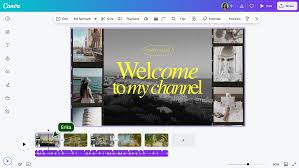
What it does well:
- Massive template library for intros, outros, and social videos
- Background remover and auto-resize for different platforms
- Text animation presets that look professional without design skill
- Easy to combine video, images, and graphics in one place
Practical example: A freelancer putting together a portfolio reel can pull in old project clips, screenshots, and photos, then use Canva’s templates to stitch it all together with smooth transitions — no separate design software needed.
Pros:
- Free tier is genuinely generous
- Familiar interface if you’ve used Canva before
- Good for mixing video with graphic design elements
- Auto-resize saves time when posting across platforms
Cons:
- Timeline editing feels basic compared to dedicated video tools
- Rendering can be slow for longer projects
- Some templates look overused if you don’t customize them
5. Kapwing
Kapwing is built specifically for creators who need fast turnarounds — think meme videos, quick clips, and social content that needs to go out same-day.
What it does well:
- Auto subtitle generation with good accuracy
- Smart resize for turning one video into multiple aspect ratios
- Collaborative editing (useful if you work with a team)
- Video-to-blog and other repurposing features
Practical example: If you record one long-form YouTube video, Kapwing can help you quickly cut it down into three or four short clips for different platforms, resizing each one automatically for Instagram, YouTube Shorts, and LinkedIn.
Pros:
- Fast, no-fuss interface
- Good for repurposing long content into shorts
- Team collaboration features
- Works well directly in-browser without lag
Cons:
- Free plan adds a watermark
- Export limits on video length for free users
- Advanced features locked behind subscription
6. Runway
Runway is a bit different from the others — it leans more into generative and experimental editing, like removing objects from footage, extending scenes, or generating entirely new visuals from text prompts.
What it does well:
- Object removal that works surprisingly well for cleaning up background distractions
- Green screen effect without an actual green screen
- Motion tracking for adding text or effects that follow a moving object
- Scene generation for creative or experimental projects
Practical example: If you shot a video and someone accidentally walked into frame, Runway can remove them from the footage without you needing to reshoot.
Pros:
- Genuinely impressive for advanced effects
- Useful for creative and experimental content
- Web-based, no installation needed
- Free tier lets you test most features
Cons:
- Free credits run out fast if you’re doing heavy editing
- Steeper learning curve than CapCut or Canva
- Rendering can take longer for complex effects
How to Choose the Right Tool for You
Not everyone needs the same thing, so here’s a quick way to think about it:
- Making short-form content for Reels or Shorts? Go with CapCut.
- Running a small business and need quick promo videos? Clipchamp is straightforward and free with Microsoft.
- Recording talking-head videos or podcasts? Descript will save you hours of scrubbing through footage.
- Already using Canva for design work? Stick with Canva’s video editor for consistency.
- Repurposing long videos into multiple short clips? Kapwing handles this well.
- Want to experiment with creative effects or clean up footage? Runway is worth trying.
A lot of creators actually use two tools together — for example, editing dialogue and removing filler words in Descript, then polishing captions and adding trending audio in CapCut before posting.
Common Mistakes to Avoid
Even with these tools handling a lot of the heavy lifting, there are a few things people get wrong:
- Ignoring the export quality settings. Free tiers often default to lower resolution. Always check before exporting your final video.
- Overusing auto-generated captions without proofreading. Accents and background noise can throw off accuracy, especially for regional English or Hindi-English mixed speech.
- Relying only on templates. Templates save time, but overused ones make your content look generic. Tweak colors, fonts, and pacing to match your brand.
- Not checking watermark rules. Some free plans add a small watermark unless you upgrade — annoying if you’re posting for a client.
- Skipping mobile preview. Most viewers watch on phones. Always preview how your video looks on a smaller vertical screen before publishing.
Free vs Paid: Is It Worth Upgrading?
Most of these tools follow a freemium model — free to start, with paid plans unlocking longer export limits, higher resolution, and premium assets. If you’re just starting or making content occasionally, the free tiers cover almost everything you need.
It’s worth upgrading only if:
- You’re exporting videos longer than 10 minutes regularly
- You need 4K exports for professional clients
- Watermarks are a dealbreaker for your brand
- You’re editing daily,, and free credits keep running out
For most casual creators, students, or small business owners, the free versions of CapCut, Clipchamp, or Canva are more than enough.
Frequently Asked Questions
Is there a completely free video editor with no watermark?
Yes — Clipchamp and Canva’s free tiers generally don’t add watermarks to your exports, unlike some competitors. CapCut is also watermark-free on its core export, though certain premium templates may add branding.
Which free tool works best for beginners?
Clipchamp and Canva are the easiest to pick up if you’ve never edited video before. Their interfaces are simple, and you don’t need to understand technical terms like keyframes or codecs to get started.
Can I edit videos on my phone using these tools?
CapCut has a strong mobile app that syncs with the web version. Kapwing and Canva also work reasonably well on mobile browsers, though the experience is smoother on a laptop or desktop.
Do I need a good internet connection to use browser-based editors?
Yes, since these tools process and render your video in the cloud, a stable connection matters. Editing on slow or unstable Wi-Fi can lead to lag or failed exports. If you’re on a limited data plan, try to work on Wi-Fi rather than mobile data for longer projects.
Which tool is best for removing background noise or filler words?
Descript is the strongest choice here. Its filler word removal and transcript-based editing make it much faster to clean up spoken content compared to manually scrubbing through a timeline.
Are these tools safe to use for client work?
Yes, all the tools mentioned here are widely used by professionals and agencies. Just double-check each platform’s terms if you’re handling sensitive footage, and make sure you’re not on a free tier that limits export rights for commercial use.
Can I add Hindi or regional language captions?
CapCut and Clipchamp both support multiple languages for auto-captions, including Hindi. Accuracy varies depending on accent and background noise, so it’s always good to proofread before publishing.
Conclsion
You don’t need an expensive subscription or a powerful computer to make good-looking videos in 2026. Between CapCut for social content, Clipchamp for business videos, Descript for dialogue-heavy edits, and Canva for quick, design-friendly projects, most creators can get by entirely on free tools.
Start with one that matches your main need, get comfortable with it, and only look at paid upgrades once you actually hit the limits of the free plan. That’s usually the smarter way to go rather than paying upfront for features you might not use.