
Best Free VPN for MacBook in 2026:-
Protecting your online privacy has become more important than ever, especially for MacBook users who regularly browse the web, use public Wi-Fi networks, stream content, and access online banking services. While macOS is known for its strong security features, it does not hide your IP address or encrypt your internet traffic from internet service providers, hackers, and other third parties. This is where a Virtual Private Network (VPN) can help.
The best free VPNs for MacBook in 2026 provide secure encryption, privacy protection, and reliable performance without requiring a paid subscription. Whether you own a MacBook Air, MacBook Pro, or the latest Apple Silicon-powered device, a quality VPN can help you browse safely, access geo-restricted content, and protect sensitive information when using public networks.
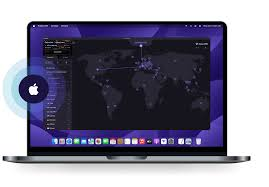
However, not all free VPNs are created equal. Some impose strict data limits, while others may offer slower speeds or fewer server locations. The good news is that several reputable VPN providers now offer free plans with strong security, user-friendly macOS apps, and dependable performance.
In this guide, we’ll explore the best free VPNs for MacBooks in 2026, comparing their features, security, speed, data allowances, and overall value. Whether you’re a student, remote worker, traveler, or casual internet user, you’ll find a free VPN option that fits your needs and helps keep your online activity private.
If you’re looking for a free VPN for your MacBook, the good news is that there are a few solid options that work without requiring your credit card. The not-so-good news is that most “free VPNs” you’ll find online are either too limited to be useful or come with privacy trade-offs you should know about before downloading.
This guide covers the best free VPNs that work well on macOS in 2026, what each one offers, its limits, and how to pick the right one based on what you actually need a VPN for.
Why Use a VPN on Your MacBook?
A VPN (Virtual Private Network) routes your internet traffic through a server in another location. This does a few useful things:
- Hides your IP address — websites and apps see the VPN server’s IP, not yours
- Encrypts your connection — especially useful on public Wi-Fi (cafés, airports, hotels)
- Let’s you access region-locked content — watch shows or use services available in other countries
- Bypasses network restrictions — useful in schools, offices, or countries with internet censorship
On a MacBook specifically, a VPN pairs well with Safari, Chrome, or any browser and protects all your traffic — not just a single app.
What to Look for in a Free VPN for MacBook
Free VPNs aren’t all made the same. Before downloading anything, check these things:
Data limits — Many free VPNs cap you at 500MB–10GB per month. That’s fine for occasional browsing,g but won’t cover streaming or heavy use.
Server locations — More server locations mean more flexibility in where your traffic appears to come from.
macOS compatibility — Not all VPNs have a native Mac app. Some only work on Windows or mobile. You want a proper macOS app, not a browser extension.
No-logs policy — A trustworthy VPN should not log your browsing activity. Check if the provider has been independently audited.
Speed — Free servers are often shared with more users, which can slow things down. Look for options that are known for keeping speeds reasonable, even on free tiers.
Ads and tracking — Some free VPNs make money by showing ads or selling user data. Stick to well-known providers with clear privacy policies.
Best Free VPNs for MacBook in 2026
1. Proton VPN Free — Best Overall Free VPN for Mac
Proton VPN‘s free tier is the most generous free VPN available right now, and it’s one of the few that doesn’t cap your data at all. You can use it as much as you want, every day — the only real limitation is the number of servers you can access.
What you get for free:
- Unlimited data
- Servers in 3 countries (US, Netherlands, Japan)
- One device at a time
- No logs — audited and verified
- Native macOS app
What you don’t get:
- Fast speeds (free servers are slower than paid)
- Access to streaming servers (Netflix, BBC iPlayer, etc.)
- Multi-device support
- P2P/torrenting
Best for: Students and remote workers who need a reliable, always-on VPN without paying. If you just want your connection encrypted and your IP hidden on a daily basis, Proton VPN Free is the most straightforward pick.
Example: You work from a café a few times a week. You connect to Proton VPN before logging into your work email or bank account on that public Wi-Fi. It runs in the background without eating into a data cap.
2. Windscribe Free — Best for Generous Data Allowance
Windscribe offers one of the best free tiers in terms of the amount of data and number of server locations available without paying. You start with 10GB per month and can bump that up to 15GB by confirming your email address.

What you get for free:
- 10GB–15GB data per month
- Servers in 10+ countries (more than most free VPNs)
- Unlimited devices — install on your Mac, iPhone, and iPad simultaneously
- ROBERT feature — built-in ad blocker and malware blocker
- No logs policy
What you don’t get:
- Streaming access (Netflix and similar platforms are blocked on free servers)
- The fastest speeds on free servers
- 24/7 support
Best for: People who want a free VPN across multiple devices and want more server options than the typical 3-country limit. The built-in ad blocker is a useful bonus.
Example: You travel occasionally and want VPN protection on your MacBook and iPhone without paying. Windscribe’s multi-device free tier covers both on 15GB/month — enough for secure browsing and emails.
3. Tunnelbear Free — Best for BeginnersTunnelBear
TunnelBear is one of the most beginner-friendly VPNs you’ll find. The app is clean, simple, and works exactly as described. You flip a switch, pick a country, and you’re connected.

What you get for free:
- 2GB data per month (can be extended with promotions and tweets)
- Servers in 47 countries — the widest country selection of any free VPN
- macOS, Windows, iOS, Android apps
- Independently audited (one of the few free VPNs with a public security audit)
- VigilantBear — kill switch that blocks traffic if the VPN drops
What you don’t get:
- Much data (2GB is the tightest cap on this list)
- Streaming support
- Priority speed on free accounts
Best for: Occasional VPN users who just need it for light browsing — checking a news site that’s geo-blocked, or securing a quick connection on public Wi-Fi. Not suitable for daily heavy use.
Example: You’re at an airport and want to quickly check your banking app on the free Wi-Fi. You connect to Tunnelbear, do what you need to do, and disconnect. Your 2GB easily covers that.
4. Hide.me Free — Best for Speed on a Free Plan
Hide.me is known for being one of the faster free VPNs available. It gives you 10GB of data per month and access to 5 server locations. It doesn’t log your data and has a transparent privacy policy.
What you get for free:
- 10GB data per month
- 5 server locations
- One device
- No registration required to use the free plan
- Strict no-logs policy
- macOS app available
What you don’t get:
- Multi-device support
- Streaming servers
- 24/7 live chat support on the free tier
Best for: Users who prioritize speed and don’t want to create an account just to try a VPN. The no-registration option is a genuine privacy advantage.
Example: You don’t want to hand over your email to sign up for a VPN; you just want to browse privately for a few hours. Hide.me lets you download and connect without creating an account.
5. Hotspot Shield Free — Best for Occasional Streaming
Hotspot Shield offers a free tier that gives you access to one server (US-based), with a daily data limit of about 500MB. That’s tight for regular use, but its Catapult Hydra protocol makes it noticeably faster than most free VPNs — which is why it’s useful for occasional video streaming.
What you get for free:
- ~500MB per day (roughly 15GB/month)
- US server only
- Fast speeds thanks to proprietary protocol
- macOS app
What you don’t get:
- Server variety (US only on free)
- Privacy audit (Hotspot Shield has had past controversies around data practices — worth researching before use)
- Ad-free experience (free version shows ads)
Best for: Users in non-US countries who occasionally need a US IP to access American content. The speed is genuinely good for a free tier.
Example: You want to watch a YouTube video that’s blocked in your region. You connect to Hotspot Shield’s free US server, watch the video, and disconnect. The speed holds up well for short sessions.
6. PrivadoVPN Free — Best for Streaming on a Budget
PrivadoVPN is a newer option that’s quietly become one of the better free VPNs for actually watching content. It offers 10GB of data per month and supports streaming platforms, including Netflix U, S on its free tier — which is rare.
What you get for free:
- 10GB data per month
- Servers in 12 cities
- Netflix US and some other streaming platforms are supported
- No-logs policy
- macOS app
- One device
What you don’t get:
- High speeds during peak hours on free servers
- Multiple devices on the free plan
Best for: Users who occasionally want to stream geo-restricted content and don’t want to pay for a full subscription.
Example: You’re in India and want to watch something only available on Netflix US. PrivadoVPN’s free server gives you access for that session without burning through a paid subscription.
Quick Comparison Table
| VPN | Free Data | Server Locations | Devices | Streaming | Speed |
|---|---|---|---|---|---|
| Proton VPN | Unlimited | 3 countries | 1 | No | Moderate |
| Windscribe | 10–15GB/month | 10+ countries | Unlimited | No | Moderate |
| Tunnelbear | 2GB/month | 47 countries | All your devices | No | Good |
| Hide.me | 10GB/month | 5 locations | 1 | No | Fast |
| Hotspot Shield | ~500MB/day | US only | 1 | Occasional | Fast |
| PrivadoVPN | 10GB/month | 12 cities | 1 | Yes (Netflix US) | Moderate |
Pros and Cons of Using a Free VPN on a MacBook
Pros
No cost — You get encryption and IP masking without spending anything, which is great for occasional use or testing before committing to a paid plan.
Easy to set up — All the options above have native macOS apps. It’s a download, install, and connect situation.
Privacy on public networks — Even a free VPN is far better than no VPN when you’re on café or hotel Wi-Fi.
Try before you buy — Free tiers from Proton VPN, Windscribe, and Hide.me are from the same companies that offer premium plans — so you’re testing the real product, not a dumbed-down version.
Cons
Data caps — Unless you use Proton VPN Free, you’re working within monthly limits. Heavy browsing, video calls, and downloads will eat through them quickly.
Slower speeds — Free servers are shared by more users, which means more congestion. Expect speeds that are noticeably lower than paid options.
Limited server choice — Most free tiers lock you into 3–10 server locations. You can’t always get the specific country you need.
No streaming support (mostly) — Streaming platforms like Netflix actively block VPN servers. Most free tiers don’t have the infrastructure to get around this consistently.
Privacy question marks — Some free VPNs (not the ones on this list, but others you’ll find online) monetize by logging and selling user data. Always research the provider’s privacy policy.
Tips for Getting More Out of a Free VPN on Mac
Connect only when you need it. If you’re on your home Wi-Fi doing everyday browsing, you don’t need the VPN running. Save your data for public networks and sensitive tasks.
Use Proton VPN if data is a concern. It’s the only free option with no cap. Set it to auto-connect on untrusted networks and forget about it.
Stack Windscribe’s extras. Windscribe gives you a bit more data for confirming your email and even more for tweeting about it. It’s minor but worth doing if you’re trying to stretch the free tier.
Check kill switch settings. TunnelBear and Hide.me both offer kill switches on their free tiers — a feature that cuts your internet if the VPN drops, so your real IP never leaks. Make sure it’s enabled.
Don’t use free VPNs for torrenting. Free tiers rarely support P2P. Trying to torrent on a free VPN will either be blocked or will burn through your data extremely fast.
Free vs. Paid VPN for MacBook — Is the Upgrade Worth It?
For most people using a VPN occasionally — public Wi-Fi protection, accessing a geo-blocked site now and then — a free VPN is completely fine.
You’d want to consider a paid VPN if:
- You stream regularly and need consistent access to Netflix, Hulu, BBC iPlayer, etc.
- You work remotely, and the VPN needs to be fast and reliable all day
- You need servers in a specific country that isn’t covered by free tiers
- You want to use the VPN on more than one device simultaneously
- You’re in a country with heavy internet censorship (paid VPNs have better obfuscation)
Paid plans from Proton VPN, NordVPN, and ExpressVPN start around $3–$5/month on annual plans — a reasonable cost if you’re using it daily.
FAQs
Is it safe to use a free VPN on a MacBook?
It depends on the VPN. The options listed in this guide — Proton VPN, Windscribe, Tunnelbear, Hide.me, and PrivadoVPN — are all from reputable providers with clear no-logs policies. Avoid random free VPNs from unknown developers, especially those found through third-party app stores.
Does Apple allow VPNs on macOS?
Yes. VPN apps are available on the Mac App Store and can also be downloaded directly from the VPN provider’s website. macOS supports common VPN protocols natively, and installing a VPN app doesn’t require any special settings beyond entering your login credentials.
Will a free VPN slow down my Mac’s internet?
Some slowdown is expected, yes. Free servers are shared and more congested than paid servers. How much it affects you depends on your base internet speed. If you’re on a fast home connection, the slowdown may be barely noticeable for browsing. For video calls or streaming, the slowdown can be more significant.
Can I use a free VPN to access Netflix on my MacBook?
Most free VPNs are blocked by Netflix. PrivadoVPN Free is one of the few exceptions that works with Netflix US on its free tier, though availability can vary. For consistent streaming access, a paid VPN is more reliable.
Which free VPN is best for Mac students?
Proton VPN Free is the top pick for students because it has no data cap and keeps your connection secure on university Wi-Fi all day without worrying about hitting a limit.
Can I use Proton VPN Free on multiple devices?
The free tier covers one device at a time. If you want to protect your MacBook and iPhone simultaneously, you’d need to upgrade to a paid plan — or use Windscribe, which allows unlimited devices even on the free tier.
Do free VPNs work in China?
Not reliably. China’s Great Firewall is designed to detect and block VPN traffic, and most free VPNs don’t have the obfuscation technology to get through it consistently. If you’re traveling to China, a paid VPN with obfuscation support (like Astrill or ExpressVPN) is the only practical option.
Is TunnelBear really free?
Yes, Tunnelbear has a genuinely free tier. The 2GB monthly cap is the main limitation. It’s one of the most security-audited free VPNs available, which makes it trustworthy despite the data limit.
Conclsion
For MacBook users in 2026, the best free VPN overall is Proton VPN Free — unlimited data, solid privacy, and a clean macOS app make it the easiest recommendation for most people.
If you need more server locations or multi-device support, Windscribe is the next best choice. For beginners who want simplicity, TunnelBear is hard to beat. And if occasional streaming access matters to you, PrivadoVPN Free is worth a look.
The key thing to remember: free VPNs work well for protection and occasional use. If you find yourself needing it every day for more than browsing — streaming, video calls, downloads — it’s worth putting $3–$5/month toward a paid plan. The speed and server flexibility alone make it worthwhile.
Start with the free options, test what works for you, and upgrade only if you need to.