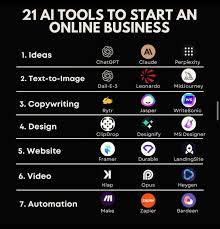
Video production has changed dramatically over the last few years. Today, creators, businesses, students, marketers, and YouTubers can produce professional-looking videos without expensive studios or advanced editing skills.
Modern video production tools help with:
- Editing
- Script creation
- Voice generation
- Subtitles
- Background removal
- Animation
- Short-form content
- Social media videos
- Cinematic effects
Whether you want to build a faceless YouTube channel, create Instagram Reels, make product ads, or edit long-form videos, the right tools can save hours of work.
In this guide, we’ll explore the best tools for video production, their features, pros and cons, practical examples, and how beginners can choose the right option.
AI Tools for Video Production. Video production is the process of creating video content for entertainment, education, marketing, business, social media, and communication. It involves planning, recording, editing, and publishing videos for different platforms such as YouTube, television, websites, TikTok, Instagram, and online courses.
Today, video production has become one of the most important parts of digital content creation. Businesses use videos for advertising, creators use them for social media growth, and brands use them to connect with audiences worldwide.
From simple smartphone videos to large cinematic productions, video production can range from basic content creation to highly professional filmmaking.
What Is Video Production?
Video production refers to the complete process of making a video from start to finish.
It usually includes:
- Planning the video
- Writing scripts
- Recording footage
- Editing clips
- Adding music and effects
- Publishing the final video
The goal of video production is to communicate ideas visually engagingly and effectively.
Main Stages of Video Production
Video production is generally divided into three major stages:
1. Pre-Production
This is the planning phase before filming starts.
It includes:
- Brainstorming ideas
- Scriptwriting
- Storyboarding
- Budget planning
- Choosing locations
- Preparing equipment
Good planning often makes production smoother and faster.
2. Production
This is the filming or recording stage.
It involves:
- Recording video footage
- Capturing audio
- Setting up lighting
- Directing scenes
- Operating cameras
Production can happen in studios, outdoor locations, offices, or homes.
3. Post-Production
This is the editing stage after filming.
It includes:
- Video editing
- Adding music
- Sound design
- Visual effects
- Color correction
- Subtitles
- Exporting final videos
Post-production is where raw footage becomes a polished final product.
Types of Video Production
Social Media Videos
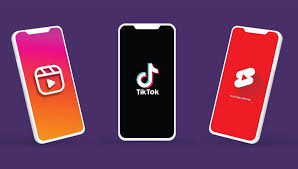
Short-form videos for:
- TikTok
- Instagram Reels
- YouTube Shorts
These videos focus on fast engagement and high viewer retention.
YouTube Videos

Longer content such as:
- Tutorials
- Reviews
- Vlogs
- Educational videos
- Case studies
Commercial Videos
Businesses create promotional videos for products and services.
Corporate Videos
Companies use videos for:
- Employee training
- Presentations
- Brand communication
Educational Videos
Used in online learning, schools, and training programs.
Documentary Production
Focused on storytelling and real-world topics.
Music Videos
Produced for artists and music promotion.
Important Parts of Video Production
Scriptwriting
A script helps organize scenes, dialogue, and flow.
Camera Work
Good camera angles and movement improve visual quality.
Lighting
Lighting affects mood, clarity, and professionalism.
Audio Quality
Clear sound is extremely important in video production.
Editing
Editing combines clips into a final, polished story.
Visual Effects
Effects and animations add creativity and engagement.
Equipment Used in Video Production
Cameras
Common options include:
- Smartphones
- DSLR cameras
- Mirrorless cameras
- Cinema cameras
Microphones
Audio equipment improves sound quality significantly.
Lighting Kits
Lights help improve brightness and video clarity.
Tripods and Stabilizers
These tools reduce shaky footage.
Editing Software
Popular editing tools include:
- Adobe Premiere Pro
- Final Cut Pro
- DaVinci Resolve
- CapCut
- Canva
Video Production for Social Media
Modern video production is heavily focused on social platforms.
Popular content types include:
- Viral Shorts
- Motivational videos
- Product promotions
- Tutorials
- Meme edits
- Faceless videos
Short-form content usually requires:
- Fast editing
- Captions
- Vertical formatting
- Strong hooks
Benefits of Video Production
Better Audience Engagement
Videos are more engaging than plain text or images.
Stronger Brand Awareness
Businesses use video marketing to build trust and visibility.
Improved Learning
Educational videos simplify complex topics visually.
Higher Social Media Reach
Video content often performs better on modern platforms.
Creative Storytelling
Videos combine visuals, sound, and motion for powerful storytelling.
Challenges in Video Production
Time-Consuming Process
Filming and editing can require many hours.
Equipment Costs
Professional gear can be expensive.
Learning Curve
Advanced editing software may take time to master.
Storage Requirements
Video files often use large amounts of storage space.
Video Production for Beginners
Beginners can start video production with:
- A smartphone
- Basic editing apps
- Free music libraries
- Natural lighting
Many successful creators start with simple equipment before upgrading later.
Free Tools for Video Production
Several free tools help beginners create videos:
- CapCut
- Canva
- DaVinci Resolve
- Clipchamp
These tools provide editing features without requiring expensive subscriptions.
Tips for Better Video Production
Plan Before Recording
Good preparation saves editing time.
Focus on Audio
Clear sound improves the viewer experience.
Keep Lighting Simple
Natural lighting can work well for beginners.
Use Captions
Subtitles improve accessibility and viewer retention.
Edit for Attention
Modern viewers prefer fast-paced editing.
Keep Videos Organized
Proper file management speeds up production.
Future of Video Production
Video production continues to evolve with:
- Cloud editing
- Mobile production
- Short-form content growth
- Real-time collaboration
- Automatic subtitles
- Advanced visual effects
Content creation is becoming more accessible to everyday users worldwide.
Video Production Careers
Video production skills can lead to careers such as:
- Video editor
- Content creator
- Filmmaker
- Social media manager
- Motion graphics designer
- Camera operator
- YouTube creator
The growing demand for online video content has increased opportunities in this industry.
Why Video Production Tools Matter
Creating videos manually can take a lot of time.
A typical video project often includes:
- Writing a script
- Recording footage
- Editing clips
- Adding transitions
- Creating subtitles
- Adjusting audio
- Exporting in multiple formats
Modern editing platforms simplify these tasks and make content creation faster.
For example:
A beginner YouTuber can now create a complete faceless video using stock footage, captions, music, and voice tools within a few hours instead of several days.
Best AI Tools for Video Production
1. Canva
Canva

Canva is widely used for social media graphics, but it also includes powerful video editing features.
Canva is one of the most popular online design and content creation platforms in the world. It allows users to create graphics, videos, presentations, social media posts, posters, logos, documents, and marketing materials using a simple drag-and-drop interface.
Canva is widely used by students, businesses, YouTubers, marketers, freelancers, teachers, and social media creators because it makes professional-looking design accessible to beginners without requiring advanced graphic design skills.
The platform works on web browsers, smartphones, tablets, and desktop devices, making content creation easy from almost anywhere.
Features
- Drag-and-drop editor
- Video templates
- Animated text
- Social media resizing
- Music library
- Subtitle support
Best For
- Beginners
- YouTube Shorts
- Instagram Reels
- Business promos
Pros
- Very easy to use
- Works in browser
- Huge template library
- Good free plan
Cons
- Limited advanced editing
- Large projects may become slow
- Some assets require premium access
Practical Example
A small business owner can create a product advertisement for Instagram using Canva templates in less than 30 minutes.
2. CapCut
CapCut
CapCut became extremely popular for TikTok, Reels, and YouTube Shorts.

CapCut is one of the most popular video editing platforms for creating short-form content such as TikTok videos, Instagram Reels, YouTube Shorts, and social media advertisements. Known for its beginner-friendly interface and powerful editing tools, CapCut helps creators produce professional-looking videos quickly and easily.
Originally designed for mobile users, CapCut is now available on smartphones, tablets, desktop computers, and web browsers. It has become widely used by content creators, influencers, businesses, gamers, and YouTubers because of its free features and fast editing workflow.
Features
- Auto captions
- Mobile and desktop editing
- Trending transitions
- Effects library
- Green screen tools
- Music syncing
Best For
- Short-form videos
- Viral content
- Mobile editing
Pros
- Beginner-friendly
- Fast editing workflow
- Excellent subtitle tools
- Free to use
Cons
- Watermarks on some exports
- Heavy effects may slow older devices
- An internet connection is needed for some features
Practical Example
A creator can turn a podcast clip into a viral vertical short using animated captions and transitions.
3. Adobe Premiere Pro
Adobe
Adobe Premiere Pro is one of the most professional video editing platforms available.
Adobe Premiere Pro is one of the most powerful and widely used professional video editing programs in the world. It is used by filmmakers, YouTubers, businesses, video editors, marketing agencies, and content creators to produce high-quality videos for movies, television, YouTube, social media, advertisements, and online courses.
Developed by Adobe, Premiere Pro is part of the Adobe Creative Cloud suite and is known for its advanced editing tools, professional workflow, and integration with other Adobe applications.
From beginner YouTubers to Hollywood film editors, Premiere Pro is considered one of the industry standards for modern video production.
Features
- Multi-track editing
- Color grading
- Audio editing
- Motion graphics integration
- Advanced timeline tools
Best For
- Professional creators
- YouTube channels
- Documentary editing
- Commercial production
Pros
- Industry-standard software
- Extremely powerful
- Excellent export quality
- Huge plugin ecosystem
Cons
- Expensive subscription
- Steep learning curve
- Requires strong hardware
Practical Example
A filmmaker can edit a complete cinematic short film with professional audio and color correction.
4. Filmora
Wondershare
Filmora is popular among beginners who want professional-looking results without complex editing.
Wondershare Filmora is a popular video editing software designed for beginners and intermediate creators who want professional-looking videos without using overly complex editing tools. Developed by Wondershare, Filmora is widely used for YouTube videos, social media content, tutorials, gaming edits, business promotions, and educational videos.
Filmora is known for its simple drag-and-drop interface, modern effects library, and fast editing workflow. It works on both Windows and Mac computers and provides an easy balance between beginner-friendly editing and advanced creative features.
The software includes tools such as:
- Video trimming and cutting
- Transitions and animations
- Text effects and titles
- Music and sound editing
- Filters and overlays
- Green screen editing
- Screen recording
- Motion tracking
One reason many creators choose Filmora is its large collection of ready-made effects and templates. Users can quickly create cinematic intros, social media videos, and professional presentations without advanced editing knowledge.
Filmora also supports modern content formats, including:
- YouTube videos
- TikTok videos
- Instagram Reels
- YouTube Shorts
- Business advertisements
Compared to professional editors like Adobe Premiere Pro, Filmora is easier to learn and requires less powerful hardware. However, it may offer fewer advanced controls for large professional film projects.
For beginners, students, YouTubers, and small businesses, Filmora provides a simple and affordable way to create attractive videos with modern editing features and fast export options.
Features
- Drag-and-drop editing
- Built-in effects
- Motion tracking
- Audio cleanup
- Screen recording
Best For
- Beginner YouTubers
- Tutorial videos
- Business presentations
Pros
- Easy learning curve
- Affordable pricing
- Good effect library
- Fast exports
Cons
- Limited advanced controls
- Watermark on the free version
- Some effects cost extra
Practical Example
A teacher can create educational videos with text overlays and screen recordings.
5. DaVinci Resolve
Blackmagic Design
DaVinci Resolve is known for advanced color grading and professional editing.
Features
- Hollywood-level color correction
- Audio editing suite
- Visual effects
- Motion graphics
- Multi-user collaboration
Best For
- Professional editors
- Cinematic content
- High-quality productions
Pros
- Powerful free version
- Excellent color tools
- Professional-grade features
Cons
- Heavy system requirements
- Difficult for beginners
- Large installation size
Practical Example
A travel vlogger can enhance sunset footage with cinematic color grading.
6. Descript
Descript
Descript simplifies podcast and video editing through text-based editing.
Features
- Edit video like a document
- Automatic transcription
- Subtitle generation
- Podcast editing
- Screen recording
Best For
- Podcast creators
- Interviews
- Educational videos
Pros
- Extremely simple workflow
- Fast subtitle creation
- Great for talking-head videos
Cons
- Less suitable for cinematic editing
- Cloud-based features require the internet
- Limited advanced effects
Practical Example
A podcaster can remove filler words like “um” and “uh” automatically.
7. Pictory
Pictory
Pictory helps turn articles and scripts into videos.
Features
- Text-to-video conversion
- Automatic visuals
- Voiceover support
- Caption generation
Best For
- Faceless YouTube channels
- Blog-to-video conversion
- Marketing content
Pros
- Saves editing time
- Great for beginners
- Fast workflow
Cons
- Limited creative control
- Repetitive visuals sometimes appear
- Premium subscription needed for full features
Practical Example
A blogger can convert a written article into a narrated video for YouTube.
8. Runway
Runway
Runway focuses on creative effects and advanced video generation tools.
Features
- Background removal
- Motion tracking
- Text-based editing
- Visual effects
Best For
- Creative creators
- Cinematic social content
- Experimental editing
Pros
- Unique visual tools
- Saves production time
- Cloud-based editing
Cons
- Premium pricing
- Requires strong internet
- Some features are still evolving
Practical Example
A creator can remove a video background without using a green screen.
Choosing the Right Video Production Tool
Not every editor needs the same features.
Here’s a simple guide.
For Beginners
Best choices:
- Canva
- CapCut
- Filmora
These are easier to learn and require less powerful hardware.
For Professional Editing
Best choices:
- Adobe Premiere Pro
- DaVinci Resolve
These platforms offer advanced controls and cinematic editing tools.
For Faceless YouTube Channels
Best choices:
- Pictory
- Canva
- CapCut
These tools simplify subtitle creation and stock footage workflows.
For Podcasts and Talking Videos
Best choice:
- Descript
Its text-based editing saves huge amounts of time.
Free vs Paid Video Production Tools
Many tools offer free versions, but there are differences.
| Feature | Free Version | Paid Version |
|---|---|---|
| Watermark | Sometimes | Usually removed |
| Export Quality | Limited | Higher quality |
| Effects Library | Basic | Full access |
| Cloud Storage | Limited | More storage |
| Templates | Fewer | Full access |
| Support | Basic | Priority support |
Free plans are good for beginners, but professional creators often upgrade later.
Tips for Faster Video Production
Plan Before Editing
Write a simple script before opening the editor.
This prevents wasted time.
Use Templates
Templates speed up intros, transitions, and subtitles.
Organize Files
Create folders for:
- Music
- Clips
- Voiceovers
- Images
Good organization reduces editing stress.
Keep Videos Short
Shorter videos usually perform better on:
- TikTok
- Reels
- Shorts
Focus on Audio Quality
Bad audio ruins videos faster than bad visuals.
Even basic microphones can improve quality dramatically.
Common Mistakes Beginners Make
Using Too Many Effects
Too many transitions make videos distracting.
Simple edits often look more professional.
Ignoring Lighting
Good lighting improves video quality instantly.
Natural sunlight works surprisingly well.
Exporting Incorrect Formats
Different platforms need different formats.
For example:
- YouTube Shorts: vertical format
- YouTube long videos: horizontal format
Adding Loud Background Music
Music should support the video, not overpower voices.
Best Video Production Tools for Different Platforms
YouTube
Best choices:
- Premiere Pro
- DaVinci Resolve
- Filmora
TikTok and Reels
Best choices:
- CapCut
- Canva
Business Marketing
Best choices:
- Canva
- Pictory
Educational Videos
Best choices:
- Descript
- Filmora
How Small Businesses Use Video Tools
Small businesses now create:
- Product videos
- Tutorials
- Social ads
- Customer testimonials
without hiring expensive studios.
For example:
A local clothing store can create Instagram product videos using a smartphone and Canva templates.
Video Production Trends in 2026
Modern video content focuses heavily on:
- Vertical video
- Fast captions
- Short-form storytelling
- Mobile-first editing
- Fast production workflows
Creators who publish consistently often grow faster than creators chasing perfect edits.
FAQs
Which video production tool is best for beginners?
Canva, CapCut, and Filmora are great starting points because they are simple and beginner-friendly.
What is the best free video editor?
DaVinci Resolve offers one of the strongest free versions available.
Which tool is best for YouTube Shorts?
CapCut is extremely popular for Shorts because of its fast editing workflow and subtitle tools.
Do I need a powerful computer for video editing?
Basic editing works on normal laptops, but professional editing software performs better on stronger systems.
Which video editor is best for faceless YouTube channels?
Pictory, Canva, and CapCut are commonly used for faceless content creation.
Is mobile editing good enough?
Yes. Many creators edit complete viral videos directly on smartphones.
Which tool is best for subtitles?
CapCut and Descript both offer excellent subtitle generation features.
Are free editors enough for professional videos?
In many cases, yes. Free versions can produce high-quality content if used properly.
Conclsion
Video production is no longer limited to large studios or expensive equipment. Today, creators can produce high-quality videos using laptops, smartphones, and easy-to-use editing platforms.
For beginners:
- Canva and CapCut are excellent starting points.
For professional creators:
- Premiere Pro and DaVinci Resolve offer advanced editing power.
For faceless channels and fast workflows:
- Pictory and Descript can save huge amounts of time.
The best tool depends on your goals, budget, editing style, and content platform. Instead of searching for the “perfect” editor, focus on creating videos consistently and improving with each upload.