Faceless TikTok channels are having a moment — and for good reason. You don’t need to be on camera, you don’t need a fancy studio, and you don’t need to show your face to build an audience. What you do need is the right tool to put everything together: scripts, voiceovers, visuals, captions, and edits.
The good news is that 2026 has no shortage of tools built exactly for this. The tricky part is figuring out which one actually fits your workflow, your budget, and the kind of content you want to make.

This guide breaks down the best tools for creating faceless TikTok videos this year — what each one does well, where it falls short, and which type of creator it’s best suited for.
AI tools for faceless TikTok videos help creators make engaging content without showing their faces on camera. These tools can generate scripts, edit videos, create voiceovers, add captions, and produce cinematic visuals using artificial intelligence. They are popular among creators who want to grow TikTok accounts while staying anonymous or creating content faster.
Best AI Tools for Faceless TikTok Videos. One of the biggest advantages of AI tools is speed. Instead of recording everything manually, creators can automate editing, subtitles, transitions, and even voice narration. This makes it easier to post consistent content and follow TikTok trends quickly.
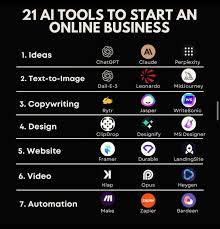
Popular AI tools for faceless TikTok videos include CapCut, Canva, Pictory, InVideo, Descript, and Runway. These platforms help creators turn simple ideas into professional-looking TikTok videos.
For example:
- CapCut is widely used for TikTok editing, transitions, captions, and viral effects.
- Canva helps create thumbnails, text animations, and simple video designs.
- Pictory can turn blog posts or scripts into videos automatically.
- InVideo provides ready-made templates for shorts and reels.
- Descript offers AI voiceovers and text-based video editing.
- Runway allows creators to generate cinematic AI visuals and advanced effects.
AI voice generators are also important for faceless TikTok content. Instead of using personal voice recordings, creators can use realistic AI narration for storytelling, motivational videos, business content, facts, or tutorials. AI subtitle tools also help improve watch time because many TikTok users watch videos without sound.
Faceless TikTok niches that work well with AI tools include:
- Motivation videos
- Business and finance content
- Tech facts
- Crypto updates
- Horror stories
- Anime edits
- Productivity tips
- Luxury lifestyle videos
- AI tutorials
- Reddit story videos
Most AI tools support mobile and desktop editing, making them accessible for beginners. Many also offer free plans, though premium versions unlock better exports, advanced AI features, and watermark-free videos.
Overall, AI tools for faceless TikTok videos help creators save time, improve quality, and publish more content consistently. They are becoming essential for modern TikTok growth, especially for creators building anonymous or automated content brands.
What Is a Faceless TikTok Channel, Exactly?
A faceless TikTok channel is one where the creator never appears on screen. Instead, videos are built around voiceovers, stock footage, screen recordings, animated text, or a combination of all of these.
Some popular faceless TikTok formats include:
- Listicle videos — “5 facts you didn’t know about the Titanic” with matching footage and a voiceover
- Finance and investing content — charts, graphs, and a calm narrator explaining concepts
- True crime and history — dramatic music, archival images, and storytelling voice-overs
- Motivational content — quotes over cinematic footage with background music
- Tutorial and how-to videos — screen recordings with a voiceover explaining each step
All of these can be produced without ever turning on a camera or recording your own voice.
What to Look for in a Faceless Video Tool
Before jumping into the list, here’s what actually matters when picking a tool for faceless TikTok content:
Voiceover quality — The voice is everything in a faceless video. A robotic-sounding narrator kills engagement fast. Look for tools that offer natural-sounding voices with good pacing and emotion.
Stock footage library — You’ll need visuals to pair with your voiceover. A large, high-quality footage library saves hours of searching on external sites.
Auto-captioning — TikTok viewers often watch with the sound off. On-screen captions are essential, and auto-generated ones save a lot of time.
Vertical format support — TikTok is 9:16. Any tool you use should either natively support vertical video or make it easy to crop and resize.
Export speed and quality — Slow rendering is a productivity killer when you’re trying to post consistently.
Pricing — Some tools offer generous free plans. Others lock the best features behind expensive subscriptions. Know what you’re paying for.
Best AI Tools for Faceless TikTok Videos in 2026
1. Pictory
Pictory is built around one idea: turn a script or article into a video automatically. You paste in your text, and Pictory matches each section with relevant stock footage, adds a voiceover, and puts together a rough cut for you to refine.
For faceless TikTok content, this workflow is genuinely fast. If you’re making finance tips, history facts, or motivational content, you can go from a written script to a finished video in under 20 minutes.

The voice selection has improved significantly in 2026 — voices sound more natural and less robotic than earlier versions. Captions are auto-generated and customizable.
Practical example: You write a 200-word script about “3 habits of people who never stress about money.” Paste it into Pictory, select a calm male voiceover, let it pull relevant footage (office scenes, people walking, coffee cups), add captions, and export in vertical format. Done.
Best for: Script-based content creators who want speed over customization.
Pricing: Free trial available. Paid plans start around $19/month.
2. InVideo
InVideo is one of the most flexible tools on this list. It works well for creators who want more control over how their video looks rather than letting everything be handled automatically.
You can start from a template (there are thousands, including many designed for TikTok), swap out footage, change the voiceover, adjust timing, and fine-tune captions — all in a browser-based editor that doesn’t require any video editing experience.

The stock library is massive, and the template collection for short-form vertical content has grown considerably. InVideo also added a text-to-video workflow that competes directly with Pictory — type a topic, and it generates a script and video structure for you to edit.
Practical example: You want to make a “did you know” history series. Pick a TikTok-sized template with dramatic music and bold captions, swap in your own script, choose a voiceover, and replace the stock footage with clips that match your topic. You can produce five videos from a single session with template variations.
Best for: Creators who want flexibility and a large template library.
Pricing: Free plan available with watermark. Paid plans start around $20/month.
3. Runway
Runway is a more advanced tool aimed at creators who want higher production quality and more creative control. It’s less “automated video builder” and more “professional editing suite with powerful generation features built in.”
For faceless TikTok content, Runway shines when you want visuals that don’t look like stock footage. It can generate short video clips from text descriptions — so instead of generic stock footage of “a busy city,” you can describe exactly the mood and visual style you want.
It takes more time to learn than Pictory or InVideo, but the output ceiling is much higher. If you’re building a faceless channel where visual distinctiveness matters — dark aesthetic channels, cinematic storytelling, surreal or abstract content — Runway gives you tools the others don’t.
Practical example: You’re making a mysterious true crime TikTok series. Instead of using the same stock footage everyone else uses, you generate custom moody visuals — dark corridors, rain-soaked streets, flickering lights — that match your voiceover perfectly. Your channel looks unlike anyone else’s.
Best for: Experienced creators who want unique, high-quality visuals and don’t mind a learning curve.
Pricing: Free plan with limited credits. Paid plans start around $15/month.
4. CapCut (with Text-to-Speech)
CapCut is the tool most TikTok creators already have on their phone. It’s free, it’s fast, and it’s deeply integrated with TikTok’s own ecosystem. For faceless videos, the text-to-speech feature handles voiceovers, and the auto-caption feature is one of the best in the business — fast, accurate, and easy to style.
Where CapCut falls short is in the stock footage department. It has some built-in footage and a sticker/effects library, but it’s not a full video generator. You’ll likely need to bring your own footage or pull clips from other sources.

That said, for creators who are already comfortable editing in CapCut and just want to add voiceovers and captions to their footage, it’s hard to beat the price (free) and the ease of use.
Practical example: You download a batch of royalty-free nature clips from Pexels. Import them into CapCut, type your script into the text-to-speech tool, pick a voice, auto-generate captions, add a trending audio track underneath at low volume, and export directly to TikTok. Total time: 15 minutes.
Best for: Beginners and mobile-first creators who want a free, simple workflow.
Pricing: Free. CapCut Pro adds extra features for around $10/month.
5. Synthesia
Synthesia is best known for creating videos with realistic on-screen presenters — but for faceless content specifically, it’s the voiceover and script-to-video engine that’s useful, not the avatar feature.
The platform has some of the most natural-sounding voices available, with over 140 languages and accents. If you’re running a multilingual faceless TikTok channel or targeting audiences in different countries, Synthesia’s voice variety is hard to match.
It’s more expensive than the other tools here, which makes it harder to recommend for creators just starting. But for anyone building a professional content operation at volume, the voice quality and language support justify the cost.
Practical example: You run faceless TikTok accounts in English, Spanish, and Portuguese simultaneously. You write one script, generate three voiceover versions in different languages, pair each with the same footage, and post to three regional accounts — all from one platform.
Best for: Multilingual creators or professional content operations.
Pricing: Plans start around $29/month.
6. Fliki
Fliki sits between Pictory and InVideo in terms of workflow. You write or paste a script, it breaks it into scenes, suggests matching footage and images, and adds a voiceover automatically. The interface is clean, and the learning curve is minimal.
Fliki’s voice library is a genuine strength — it offers over 2,000 voices across 75+ languages. For faceless creators who want variety in how their content sounds, that’s a significant advantage.

The stock footage library isn’t as deep as InVideo’s, but it integrates with external sources to fill the gaps. Vertical video export for TikTok is supported.
Practical example: You’re building a “word of the day” TikTok series in English. Each video is 30 seconds — a word, its definition, pronunciation, and an example sentence. Fliki’s scene-by-scene editor lets you build a template for this format and produce new episodes quickly by just swapping out the script each time.
Best for: Creators who prioritize voice variety and consistent, repeatable formats.
Pricing: Free plan available. Paid plans start around $21/month.
Pros and Cons of Using These Tools for Faceless TikTok Content
Pros
You don’t need to be on camera. a The most obvious benefit — but worth stating. Camera anxiety, privacy concerns, or simply preferring to stay anonymous are all valid reasons, and these tools make it completely possible.
Faster production than traditional editing. Going from script to finished video in 20–30 minutes is realistic with the right tool. Traditional video editing for the same result could take hours.
Consistent output. Faceless formats are highly templatable. Once you find a style that works, you can replicate it at volume. These tools make that consistency easy to maintain.
Lower barrier to entry.y You don’t need a camera, microphone, lighting, or any recording equipment. A laptop and a subscription are enough to get started.
Easy to test nich.es. Want to try a finance channel this week and a history channel next week? Faceless content makes niche-testing cheap and fast.
Cons
Voiceovers can still sound. Even the best synthetic voices have moments where pacing or emphasis sounds slightly unnatural. Careful script writing (short sentences, clear punctuation) helps but doesn’t eliminate the issue.
Stock footage gets repetitive. If you’re using the same tools as thousands of other creators, your footage starts to look familiar. Channels that rely heavily on generic stock clips can feel interchangeable.
The algorithm still requires consistency. The tools make production faster, but TikTok’s algorithm still rewards consistent posting. Faster production doesn’t mean you can post once a month and grow.
Monthly costs add u.p A decent tool costs $15–$30/month. If you’re running multiple channels or want premium features across several platforms, the subscription costs stack up.
Limited creative ceiling on automated too, as Pictory and Fliki are fast, but what they produce looks similar across users. If standing out visually matters for your niche, you’ll eventually need more advanced tools or custom footage.
Quick Comparison Table
| Tool | Best For | Free Plan | Starting Price | Vertical Video |
|---|---|---|---|---|
| Pictory | Script-to-video speed | Trial only | ~$19/month | Yes |
| InVideo | Templates and flexibility | Yes (watermark) | ~$20/month | Yes |
| Runway | Unique visuals, advanced use | Yes (limited) | ~$15/month | Yes |
| CapCut | Beginners, mobile editing | Yes | ~$10/month (Pro) | Yes |
| Synthesia | Multilingual voiceovers | No | ~$29/month | Limited |
| Fliki | Voice variety, repeatable formats | Yes | ~$21/month | Yes |
Tips for Making Better Faceless TikTok Videos
Write shorter sentences in your scripts. Synthetic voices handle short, punchy sentences better than long, complex ones. It also keeps the pacing snappy — which TikTok audiences prefer.
Use royalty-free music strategically. Background music sets the mood for your entire video. Tools like Epidemic Sound or TikTok’s own audio library have tracks that pair well with faceless content.
Keep captions on. A large portion of TikTok viewers watch without sound. Captions aren’t optional — they’re essential for reach.
Don’t over-automate. The best faceless channels still have a human touch in the scripting and editing. Let the tools handle the heavy lifting, but put thought into the actual content.
Post at consistent times. TikTok rewards consistency. Three solid videos a week beats seven rushed ones. Use the time these tools save to focus on script quality.
Frequently Asked Questions
Which tool is best for complete beginners making faceless TikTok videos? CapCut is the easiest starting point because it’s free, works on your phone, and is already designed for TikTok. Once you’re comfortable with the format, Pictory or Fliki are good next steps for faster script-to-video production.
Can I make money from a faceless TikTok channel? Yes. Faceless channels monetize through TikTok’s Creator Fund, brand deals, affiliate marketing, and driving traffic to external products or services. Many successful faceless channels earn significant income without the creator ever appearing on screen.
Do these tools own my videos after I create them? No. Videos you create using these platforms belong to you. However, the stock footage within them is typically licensed for use, not owned by you outright. Always check the licensing terms if you plan to use the content beyond TikTok.
Are voice-overs good enough that viewers won’t notice they’re synthetic? The best voices in 2026 — particularly those in Fliki, Synthesia, and Pictory — are convincing enough that most casual viewers don’t notice. High-quality script writing and good punctuation help the voice sound more natural.
Can I use these tools on a p,hph one do I need a laptop? CapCut is fully mobile. Most others (Pictory, InVideo, Fliki, Runway) are browser-based and work on a laptop or desktop. Synthesia is also browser-based but not optimized for mobile use.
How long does it take to make a faceless TikTok video with these tools? With a script ready, most tools can produce a finished 30–60 second video in 15–30 minutes. The first few videos take longer while you learn the platform. After that, production time drops significantly.
Do faceless TikTok videos perform as well as videos with real people? It depends on the niche. In categories like facts, finance, history, motivation, and tutorials, faceless videos perform extremely well. In niches where personality and relatability drive engagement — comedy, lifestyle, personal vlogs — being on camera tends to perform better.
Is Runway worth it for a beginner? Probably not yet. Runway has a steeper learning curve and is better suited to creators who already have a clear visual style in mind. Start with CapCut or Pictory, build your content workflow, and consider Runway once you’re ready to level up your visuals.
Conclsion
Faceless TikTok is one of the most accessible content formats right now — low barrier to entry, scalable production, and a real audience waiting for good content in almost every niche.
The tools in this guide cover a wide range of needs and budgets. If you’re just starting, CapCut costs nothing and gets you moving immediately. If you want to scale fast with a script-based workflow, Pictory or Fliki will save you hours every week. If you’re ready to invest in a visual style that stands out, Runway is worth the learning curve.
Pick one tool, commit to a niche, and focus on consistency. The production side is easier than it’s ever been — the content and the consistency are what will actually grow your channel.