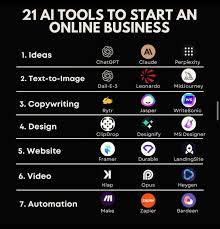
Writing has changed a lot over the past few years. In 2026, writing tools are smarter, faster, and more helpful than ever before. Whether you’re a student, blogger, freelancer, or business owner, these tools can save time, improve quality, and help you create better content.
AI Writing Tools in 2026. In this guide, you’ll learn everything about writing tools in 2026—how they work, real-life uses, best tools, pros and cons, and tips to use them effectively.
What Are Writing Tools?

Writing tools are software or apps that help you create, edit, and improve content. These tools can assist with:
- Writing articles and blogs
- Fixing grammar and spelling
- Generating ideas
- Rewriting sentences
- Creating social media content
- Improving readability
Think of them as your digital writing assistant.
Why Writing Tools Are So Popular in 2026
More people are working online now than ever before. Content is everywhere—blogs, YouTube scripts, emails, ads, and websites.
Here’s why these tools are booming:
1. Save Time
Instead of spending hours writing, you can create content in minutes.
2. Improve Quality
They help fix grammar, tone, and clarity.
3. Help Beginners
Even if you’re not confident in writing, you can still create good content.
4. Boost Productivity
You can create more content in less time.
Types of Writing Tools in 2026
Not all tools are the same. Let’s break them down.
1. Content Writing Tools
These help you create full articles, blogs, and scripts.
Best for:
- Bloggers
- Website owners
- YouTubers
Example use:
You want to write a blog on “Best VPN in India.” Instead of starting from scratch, the tool gives you a draft, outline, and ideas.
2. Grammar and Editing Tools
These tools check:
- Grammar mistakes
- Spelling errors
- Sentence clarity
Best for:
- Students
- Professionals
- Email writing
3. Paraphrasing Tools
These rewrite your content in a better way.
Best for:
- Improving readability
- Avoiding repetition
- Simplifying complex text
4. Idea Generation Tools
Stuck with what to write? These tools give you:
- Blog ideas
- Video topics
- Headlines
Example:
You type “crypto,” and it gives you 20 blog ideas instantly.
5. SEO Writing Tools
These tools help your content rank on search engines.
They suggest:
- Keywords
- Headings
- Content structure
Best AI Writing Tools in 2026
Here are some popular tools people are using:
1. Jasper
Great for marketing content, ads, and blogs. Jasper is one of the most popular writing tools in 2026, especially for marketers, bloggers, and business owners who want to create content quickly without sacrificing quality. It is designed to help users generate long-form articles, ad copy, product descriptions, and even email campaigns in a short amount of time.

One of Jasper’s biggest strengths is its template system. You don’t have to start from scratch. You can simply choose a template like “Blog Post,” “YouTube Script,” or “Facebook Ad,” enter a few details, and Jasper will generate content based on your input. This makes it very useful for beginners who may struggle with ideas or structure.
Another powerful feature is its ability to maintain tone and style. For example, if you want your content to sound professional, friendly, or persuasive, you can adjust the tone easily. This is especially helpful for brands that want consistent messaging across all platforms.
Jasper also works well for SEO content writing when combined with keyword research tools. Many bloggers use it to create first drafts and then edit them for better ranking and personalization.
However, Jasper is not perfect. Sometimes the content may feel generic or need editing for accuracy. Also, it is a paid tool, which might not be ideal for beginners on a tight budget.
Overall, Jasper is a strong choice if you want to save time, scale your content production, and create high-quality writing efficiently.
2. Grammarly
Best for grammar and tone correction. Grammarly is one of the most trusted writing tools in 2026, widely used by students, professionals, bloggers, and freelancers. Its main purpose is simple: to improve your writing by fixing grammar, spelling, and clarity issues in real time.
One of Grammarly’s biggest advantages is how easy it is to use. Once installed as a browser extension or desktop app, it automatically checks your writing everywhere—emails, documents, social media posts, and even chat messages. As you type, it highlights mistakes and suggests corrections instantly, which helps you learn and improve over time.

Grammarly doesn’t just fix basic errors. It also helps with:
- Sentence clarity (making your writing easier to understand)
- Tone detection (formal, friendly, confident, etc.)
- Word choice suggestions (better vocabulary options)
For example, if you write a long or confusing sentence, Grammarly will suggest a simpler version that’s easier to read. This is especially useful for beginners or non-native English speakers.
The free version covers basic grammar and spelling, while the premium version offers advanced features like tone improvement, plagiarism checking, and detailed writing suggestions.
However, it’s not perfect. Sometimes it may suggest changes that don’t match your intended meaning, so you still need to review suggestions carefully.
Overall, Grammarly is an essential tool if you want clean, professional, and error-free writing without much effort.
3. Copy.ai
Useful for short-form content like ads and captions. Copy.ai is a popular writing tool in 2026 that focuses on short-form content and marketing copy. It is widely used by freelancers, digital marketers, and small business owners who need fast, engaging text for ads, social media, and sales pages.
One of the biggest advantages of Copy.ai is its speed and simplicity. You just enter a few details—like your topic, product, or idea—and it instantly generates multiple content options. This is perfect when you’re stuck or need quick inspiration.
Copy.ai is especially strong in areas like:
- Social media captions (Instagram, Twitter, LinkedIn)
- Ad copy (Facebook ads, Google ads)
- Product descriptions
- Email subject lines
- Short blog intros
For example, if you’re promoting a product, you can enter a short description and get several catchy ad copies within seconds. You can then choose the best one and edit it to match your style.
Another useful feature is its multiple variations output. Instead of giving just one result, Copy.ai provides several options, which helps you compare and pick the most effective version.
However, Copy.ai is not ideal for long-form content like full blog articles. It works best for short, creative writing tasks. Also, some outputs may feel repetitive, so editing is still important.
Overall, Copy.ai is a great tool if your focus is marketing, ads, and quick content creation. It saves time, boosts creativity, and helps you produce engaging content consistently.
4. Writesonic
Good for blog writing and SEO content. Writesonic is a powerful writing tool in 2026 designed mainly for bloggers, marketers, and businesses who want fast, SEO-friendly content. It has grown from a simple writing assistant into a complete content platform that helps with writing, editing, and optimizing content for search engines.
One of its standout features is the AI Article Writer (ArticleWriter 6.0). This tool can generate full-length blog posts (even up to 3000 words) by simply entering a topic or keyword. It automatically creates an outline, adds headings, and writes structured content, which saves a huge amount of time.
Writesonic also offers 100+ templates for different types of content. You can create:
- Blog posts
- Product descriptions
- Facebook & Google ads
- Landing pages
- Email campaigns
This makes it very useful for people running online businesses or doing affiliate marketing.
Another powerful feature is Chatsonic, which works like a smart assistant with real-time web access. It can help with research, trending topics, and generating updated content, which is useful for writing current or news-based articles.
However, Writesonic is not perfect. Sometimes the content can feel a bit generic and needs editing before publishing. Also, advanced features are part of paid plans, which may not suit beginners on a tight budget.
Overall, Writesonic is a great choice if your goal is fast content creation, SEO writing, and scaling your content output efficiently.
5. Notion Writing Assistant
Helpful for notes, planning, and content drafts. Notion Writing Assistant is a built-in writing feature inside Notion, a popular productivity and note-taking tool used by students, creators, and professionals in 2026. Unlike other writing tools that focus only on content generation, Notion combines writing, organizing, and planning in one place, making it a powerful all-in-one workspace.
One of its biggest advantages is how smoothly it fits into your workflow. You can write notes, create content, manage tasks, and organize projects—all in the same dashboard. The writing assistant helps you:
- Generate content ideas
- Rewrite sentences
- Summarize long text
- Improve clarity and tone
For example, if you are planning a blog post, you can create an outline in Notion, expand each section with the writing assistant, and organize everything neatly without switching tools. This is especially useful for bloggers and freelancers who handle multiple projects at once.
Another strong feature is its clean and distraction-free interface. There are no unnecessary buttons or clutter, so you can focus fully on writing. You can also collaborate with team members, making it ideal for content teams and businesses.
However, Notion Writing Assistant is not as specialized as dedicated writing tools. It may not offer advanced SEO features or deep content generation like some other platforms. Also, beginners may need some time to understand how Notion works.
Overall, Notion Writing Assistant is perfect for users who want a simple, organized, and flexible writing environment along with helpful writing support in one place.
Real-Life Examples
Let’s see how different people use writing tools.
Example 1: Blogger
Rahul runs a tech blog. Before using writing tools:
- He took 6 hours to write one article
Now:
- He creates a draft in 20 minutes
- Edits and publishes in 1–2 hours
Example 2: YouTuber
Aman creates YouTube Shorts.
Instead of thinking what to say:
- He generates script ideas
- Converts them into short lines
- Publishes daily
Example 3: Freelancer
Priya writes content for clients.
With writing tools:
- She handles more clients
- Increases income
- Delivers faster work
Pros of Writing Tools
1. Fast Content Creation
You can generate content quickly.
2. Easy to Use
Most tools are beginner-friendly.
3. Improves Writing Skills
You learn better sentence structure over time.
4. Saves Mental Effort
No more staring at a blank screen.
5. Helps with Consistency
You can post regularly.
Cons of Writing Tools
1. Not Always Perfect
Content may need editing.
2. Can Sound Generic
If overused, writing may lack personality.
3. Paid Tools Can Be Expensive
Premium plans cost money.
4. Requires Human Touch
You still need to add your own ideas.
How to Use Writing Tools Effectively
Using these tools the right way is important.
Tip 1: Don’t Copy-Paste Directly
Always edit the content.
Tip 2: Add Your Personal Touch
Include your experience, opinions, and examples.
Tip 3: Use for Ideas, Not Just Writing
They are great for brainstorming.
Tip 4: Combine Multiple Tools
Use one for writing, another for grammar, and another for SEO.
Tip 5: Keep Learning
The more you use them, the better your results.
Writing Tools for Different Users
Students
- Essay writing
- Homework help
- Grammar correction
Bloggers
- SEO articles
- Blog outlines
- Keyword suggestions
Business Owners
- Product descriptions
- Emails
- Marketing content
Freelancers
- Client projects
- Content writing
- Copywriting
Are Writing Tools Good for SEO?
Yes, but only if used correctly.
They help with:
- Keyword placement
- Content structure
- Readability
But remember:
Search engines prefer human-like, helpful content.
Common Mistakes to Avoid
1. Over-Reliance
Don’t depend fully on tools.
2. Ignoring Editing
Always review content before publishing.
3. Using Too Many Tools
Keep it simple.
4. Not Checking Facts
Always verify important information.
Future of Writing Tools in 2026 and Beyond
Writing tools are becoming more advanced.
In the future, we may see:
- More natural writing styles
- Better understanding of user intent
- Faster content generation
- Integration with all apps
But one thing will always matter:
Human creativity.
FAQs: Writing Tools in 2026
1. Are writing tools free?
Some tools offer free versions, but advanced features usually require payment.
2. Can beginners use writing tools?
Yes, they are designed to be easy for beginners.
3. Do writing tools replace human writers?
No. They assist, but human creativity is still important.
4. Are writing tools good for blogging?
Yes, they help create faster and better blog content.
5. Can I earn money using writing tools?
Yes. Many freelancers and bloggers use them to earn online.
6. Do writing tools improve grammar?
Yes, most tools have strong grammar correction features.
7. Are writing tools safe?
Yes, but avoid sharing sensitive information.
8. Which tool is best for beginners?
Tools like Grammarly and Copy.ai are beginner-friendly.
Conclsion
Writing tools in 2026 are powerful, simple, and extremely useful. They help you create content faster, improve quality, and stay consistent.
But remember, tools are just helpers. The real value comes from your ideas, creativity, and experience.
If you use these tools wisely, you can:
- Start a blog
- Grow a YouTube channel
- Work as a freelancer
- Build an online business
Start small, experiment with a few tools, and improve step by step.