
In 2026, online tools have completely changed how people work, learn, and earn money. Whether you’re a student, freelancer, content creator, or business owner, the right tools can save hours of effort and improve your results.
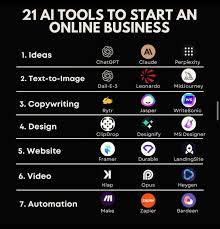
But here’s the truth: not every tool is worth your time.
Some are powerful and flexible, while others are limited or overpriced. In this guide, you’ll discover the best free and paid tools in 2026, with real use cases, pros and cons, and practical tips to help you choose the right one.
Why Use Online AI Tools in 2026?
Before jumping into the list, let’s understand why these tools matter.
Today, people use them for:
- Writing articles, emails, and scripts
- Creating videos, images, and designs
- Automating tasks and workflows
- Research and learning faster
- Coding and building apps
Many tools now offer free versions, making it easy to get started without spending money.
Best AI Tools Online in 2026: Best All-in-One Tools
1. ChatGPT – Best Overall Tool
ChatGPT remains the most versatile tool in 2026. It can help with writing, coding, brainstorming, and even solving complex problems. ChatGPT is widely considered the best overall tool for anyone looking to improve productivity, creativity, and problem-solving in daily tasks. It is an advanced conversational platform that can understand natural language and generate human-like responses, making it extremely useful for beginners as well as professionals.
One of the biggest advantages of ChatGPT is its versatility. You can use it for writing blog posts, generating SEO content, answering questions, coding, brainstorming ideas, summarizing documents, and even learning new skills. For example, content creators can quickly draft articles, while students can get simplified explanations of complex topics. This makes it a powerful all-in-one assistant.

Another key benefit is ease of use. You don’t need any technical skills to get started. Simply type your query, and ChatGPT provides instant, clear, and relevant responses. It also supports multiple languages, making it accessible to users worldwide.
ChatGPT is constantly improving, with regular updates that enhance accuracy, speed, and features. It can adapt to different tones and styles, whether you need professional writing, casual conversation, or technical explanations.
Overall, ChatGPT stands out because it combines intelligence, speed, and flexibility in one platform. Whether you’re a student, freelancer, marketer, or business owner, it can save time, boost efficiency, and help you achieve better results with less effort.
Practical Use:
- Write blog posts or YouTube scripts
- Generate business ideas
- Solve coding errors
- Create social media captions
Pros:
- Easy to use
- Works for multiple tasks
- Strong free version available
Cons:
- Some advanced features are paid
- Usage limits on the free plan
👉 Example: A blogger can write a 1000-word article in minutes with proper structure and ideas
2. Google Gemini – Best Free Alternative
Google Gemini is a powerful free option, especially if you already use Gmail or Google Docs. Google Gemini is widely recognized as the best free alternative for users who want powerful features without paying for a subscription. Developed by Google, Gemini offers a strong combination of speed, intelligence, and deep integration with everyday tools, making it a great choice for students, professionals, and content creators.
One of Gemini’s biggest advantages is its seamless connection with Google services like Gmail, Google Docs, Google Drive, and Google Sheets. This allows users to perform tasks such as summarizing emails, analyzing documents, or creating reports directly within their existing workflow. For example, you can ask Gemini to pull data from your emails and generate a task list or draft content instantly.
Another key strength is its generous free plan. Unlike many tools that limit features behind paywalls, Gemini provides access to advanced capabilities like long-context understanding, multimodal inputs (text, images, video), and real-time information through Google Search—all at no cost. This makes it ideal for users who want premium-level performance without spending money.
Gemini is also known for its speed and efficiency. Its lightweight models deliver quick responses with minimal delay, which is especially useful for everyday tasks like writing, brainstorming, or quick research.
However, it may not always match the consistency of other tools in areas like complex coding or highly structured writing. Still, for most users, Gemini offers an excellent balance of performance, accessibility, and cost.
Overall, Google Gemini stands out as the best free alternative because it combines powerful features, real-time data, and deep ecosystem integration—making it a smart choice for anyone looking to work smarter without paying extra.
Practical Use:
- Summarize emails
- Research topics quickly
- Generate reports
Pros:
- Free and powerful
- Works inside Google tools
- Good for research
Cons:
- Not as creative in writing
- Limited outside the Google ecosystem
3. Claude – Best for Long Writing
Claude is known for handling long documents and detailed explanations. Claude is widely regarded as the best tool for long-form writing, especially when you need detailed, structured, and high-quality content. It is designed to handle large amounts of text smoothly, making it ideal for writing articles, reports, research papers, and even books.
One of Claude’s biggest strengths is its ability to maintain context over long conversations. Unlike many tools that lose track after a few paragraphs, Claude can understand and remember extended inputs, which helps in creating consistent and coherent content. This is particularly useful for bloggers, students, and professionals working on lengthy documents.

Another key advantage is its natural writing style. Claude produces content that feels more human and less robotic, with better flow and readability. Whether you need formal writing, storytelling, or detailed explanations, it adapts well to different tones and requirements. For example, you can ask it to write a full-length article with headings, examples, and a logical structure, and it delivers clean, organized output.
Claude also focuses strongly on safety and clarity, reducing the chances of generating misleading or confusing information. This makes it a reliable choice for research-based writing and professional use.
However, it may be slightly slower compared to some other tools when handling very complex prompts. Despite that, its quality in long-form content makes it stand out.
Overall, Claude is the perfect choice for anyone who needs in-depth, well-structured writing with a natural tone and strong consistency across large pieces of content.
Practical Use:
- Write long articles
- Analyze PDFs
- Create reports
Pros:
- Clear and natural writing
- Handles large content
Cons:
- Limited messages in the free version
- Slower sometimes
Best Writing & Content Tools
4. Grammarly – Best for Editing
Grammarly helps improve grammar, clarity, and tone instantly. Grammarly is widely known as the best tool for editing and improving written content. It helps users correct grammar, spelling, punctuation, and sentence structure in real time, making writing clearer and more professional.
One of Grammarly’s biggest strengths is its advanced editing capabilities. It not only fixes basic mistakes but also suggests improvements in tone, clarity, and style. For example, if a sentence sounds too complex or unclear, Grammarly offers simpler and more effective alternatives. This makes it especially useful for students, bloggers, and professionals who want polished writing.
Another key feature is its tone detection. Grammarly can identify whether your writing sounds formal, casual, confident, or friendly, helping you match the right tone for emails, articles, or business communication. It also provides vocabulary suggestions to make your content more engaging and impactful.
Grammarly is easy to use and works across multiple platforms, including web browsers, mobile devices, and tools like Microsoft Word and Google Docs. This means you can edit your content anywhere, whether you’re writing an email or creating a long article.
While the free version covers basic corrections, the premium version unlocks advanced suggestions like clarity improvements, plagiarism checks, and style enhancements.
Overall, Grammarly stands out as the best editing tool because it combines accuracy, ease of use, and powerful writing suggestions—helping users create clear, error-free, and professional content with confidence.
Practical Use:
- Fix emails
- Improve blog posts
- Write professional messages
Pros:
- Real-time corrections
- Easy browser integration
Cons:
- Premium is needed for advanced features
👉 Perfect for students, bloggers, and professionals
5. Jasper – Best for Marketing Content
Jasper is widely used by marketers to create ads, blogs, and sales copy. Jasper AI is widely recognized as one of the best tools for creating high-quality marketing content quickly and efficiently. Unlike general-purpose writing tools, Jasper is specifically designed for marketers, businesses, and content creators who need consistent, engaging, and conversion-focused content.
One of Jasper’s biggest strengths is its marketing-focused features. It offers a wide range of templates for blog posts, social media ads, email campaigns, product descriptions, and landing pages. This makes it easy to create different types of content without starting from scratch. Whether you’re running a digital campaign or building an online brand, Jasper helps streamline the entire process.
Another key advantage is its ability to maintain brand voice. With features like Brand Voice and Brand IQ, Jasper ensures that all content stays consistent with your company’s tone, style, and messaging. This is especially useful for teams managing multiple campaigns or working across different platforms.
Jasper also supports end-to-end marketing workflows. It can help with research, content creation, personalization, and optimization, allowing marketers to handle entire campaigns in one place instead of using multiple tools.
In addition, it improves productivity by generating content faster, helping businesses scale their marketing efforts without increasing costs or workload.
However, Jasper can be expensive compared to other tools, and beginners may need some time to learn its features.
Overall, Jasper stands out as the best tool for marketing content because it combines speed, consistency, and powerful automation—making it ideal for businesses that want to grow faster with high-quality content.
Practical Use:
- Write product descriptions
- Create ad campaigns
- Generate SEO content
Pros:
- High-quality marketing output
- Saves time for businesses
Cons:
- Expensive
- Not ideal for beginners
6. Copy.ai – Best for Beginners
Copy.ai is simple and beginner-friendly for generating content. Copy.ai is a powerful tool designed to help users create high-quality content quickly and efficiently, especially for marketing and business purposes. It is widely used by entrepreneurs, marketers, and freelancers who want to generate engaging copy without spending hours writing from scratch.
One of the main strengths of Copy.ai is its ease of use. The platform offers a simple interface where users can choose from a variety of templates, such as social media captions, blog ideas, email campaigns, product descriptions, and ad copy. This makes it beginner-friendly and ideal for those with little or no writing experience.
Another key advantage is its speed and creativity. Copy.ai can generate multiple content variations in seconds, allowing users to pick the best version or combine ideas for better results. For example, if you need catchy headlines or promotional text, it can instantly provide several options tailored to your needs.
Copy.ai also helps improve productivity by automating repetitive writing tasks. Businesses can scale their content creation process without hiring large teams, saving both time and money. It is especially useful for startups and small businesses looking to grow their online presence.
However, while it is great for short-form content, it may not always deliver the same depth and structure needed for long-form writing.
Overall, Copy.ai is an excellent tool for fast, creative, and efficient content generation, making it a valuable asset for anyone focused on marketing and online growth.
Practical Use:
- Social media posts
- Email marketing
- Short blog content
Pros:
- Easy interface
- Free plan available
Cons:
- Limited long-form writing
Best Design & Creative Tools
7. Canva – Best for Design
Canva is one of the easiest tools for creating designs, presentations, and social media content. Canva is widely regarded as the best tool for design, especially for beginners and non-designers who want to create professional visuals quickly and easily. It is an all-in-one online platform that allows users to design social media posts, presentations, logos, posters, videos, and much more without needing advanced design skills.
One of Canva’s biggest strengths is its simple drag-and-drop interface. Users can choose from thousands of ready-made templates and customize them with text, images, colors, and elements in just a few clicks. This makes it perfect for content creators, marketers, students, and small businesses who need high-quality designs without hiring a professional designer.
Another key advantage is its huge library of resources, including millions of stock photos, icons, fonts, and graphics. Canva also includes powerful AI features like background remover, image enhancer, and text-to-image tools, allowing users to create stunning visuals faster. It even supports video editing, animations, and content resizing for different platforms.
Canva also stands out for collaboration. Teams can work together in real time, share designs, and maintain brand consistency using features like Brand Kit and shared templates. This makes it highly useful for businesses and marketing teams.
While the free version is very powerful, some premium templates and features require a paid plan. However, for most users, the free tools are more than enough.
Overall, Canva is the best design tool because it combines ease of use, powerful features, and creative flexibility—helping anyone create professional designs in minutes.
Practical Use:
- YouTube thumbnails
- Instagram posts
- Business presentations
Pros:
- Drag-and-drop interface
- Huge template library
- The free version is powerful
Cons:
- Some premium templates are locked
👉 Canva can create high-quality designs in minutes without design skills
8. Midjourney – Best for Image Creation
Midjourney creates high-quality images from text prompts. Midjourney is widely considered one of the best tools for image creation, especially for users who want high-quality, artistic, and visually stunning results. It is designed to turn simple text prompts into detailed images, making it a favorite among designers, content creators, and digital artists.
One of Midjourney’s biggest strengths is its ability to produce highly creative and realistic visuals. Whether you need concept art, illustrations, fantasy scenes, or modern graphic designs, it can generate unique images that often look like professional artwork. This makes it ideal for branding, social media content, thumbnails, and creative projects.
Another key advantage is its style versatility. Users can experiment with different artistic styles such as realistic, cartoon, cinematic, or abstract by simply adjusting their prompts. This flexibility allows creators to explore new ideas and bring their imagination to life without needing advanced design skills.
Midjourney is also known for its strong community, primarily operating through platforms like Discord, where users can share prompts, learn techniques, and get inspiration from others. This collaborative environment helps beginners improve quickly.
However, it may have a learning curve for new users, especially when writing detailed prompts to get the desired results. It also requires a subscription for full access.
Overall, Midjourney stands out as the best image creation tool because of its exceptional visual quality, creativity, and ability to transform ideas into stunning artwork within seconds.
Practical Use:
- Create artwork
- Design thumbnails
- Generate product images
Pros:
- Stunning visuals
- Creative flexibility
Cons:
- Paid tool
- Learning curve
9. Runway – Best for Video Creation
Runway helps create and edit videos quickly. Runway is widely recognized as one of the best tools for video creation, especially for content creators, filmmakers, and marketers who want to produce high-quality videos quickly. It offers a powerful set of features that make video editing, generation, and enhancement much easier, even for beginners.
One of Runway’s biggest strengths is its advanced video generation capabilities. Users can create videos from text prompts, images, or existing clips, allowing them to turn ideas into visual content without complex editing skills. This is especially useful for social media creators, YouTubers, and businesses looking to produce engaging videos in less time.
Another key advantage is its intuitive interface. Runway simplifies tasks like background removal, motion tracking, video editing, and adding effects. With just a few clicks, users can edit clips, apply transitions, and enhance visuals, making it accessible for both beginners and professionals.
Runway also supports creative experimentation. You can generate cinematic scenes, animate still images, and create unique visual effects that would normally require expensive software or advanced skills. This opens up new possibilities for storytelling and content creation.
However, some advanced features may require a paid plan, and high-quality rendering can take time depending on the project.
Overall, Runway stands out as the best video creation tool because it combines powerful features, ease of use, and creative flexibility—helping users produce professional-looking videos efficiently.
Practical Use:
- YouTube videos
- Short reels
- Ads
Pros:
- Fast video editing
- Easy for beginners
Cons:
- Limited free credits
Best Productivity Tools
10. Notion – Best for Organization
Notion combines notes, tasks, and documents in one place. Notion is widely regarded as one of the best tools for organization, helping individuals and teams manage tasks, notes, projects, and workflows in one place. It combines multiple productivity features into a single platform, making it ideal for students, freelancers, and businesses.
One of Notion’s biggest strengths is its flexibility. Users can create customized pages for to-do lists, project tracking, note-taking, content planning, and even databases. Unlike traditional tools, Notion allows you to design your workspace exactly the way you want, whether it’s a simple daily planner or a complex project management system.
Another key advantage is its all-in-one functionality. Instead of using separate apps for notes, tasks, and collaboration, Notion brings everything together. You can embed files, add tables, create calendars, and link pages seamlessly. This helps reduce clutter and keeps all important information in one organized space.
Notion is also great for collaboration. Teams can share pages, assign tasks, leave comments, and work together in real time. This makes it highly useful for remote teams and businesses managing multiple projects.
Additionally, Notion offers a clean and minimal interface, which makes it easy to focus and stay productive. While there may be a slight learning curve at the beginning, users quickly get comfortable with its features.
Overall, Notion stands out as the best organization tool because of its flexibility, powerful features, and ability to centralize all your work—helping you stay organized and efficient every day.
Practical Use:
- Plan projects
- Write notes
- Manage tasks
Pros:
- All-in-one workspace
- Great for teams
Cons:
- Slight learning curve
11. Trello – Best for Task Management
Trello helps you organize work using boards and cards. Trello is widely recognized as one of the best tools for task management, especially for individuals and teams who want a simple and visual way to organize their work. It uses a Kanban-style board system that allows users to manage tasks through cards, lists, and boards, making workflows easy to understand at a glance.
One of Trello’s biggest strengths is its visual approach. Users can create boards for different projects, add lists for stages (such as “To Do,” “In Progress,” and “Completed”), and move task cards between them as work progresses. This makes it very easy to track progress and stay organized without confusion.
Another key advantage is its ease of use. Trello has a clean and intuitive interface, making it beginner-friendly even for those who have never used a task management tool before. You can quickly add tasks, assign team members, set deadlines, attach files, and leave comments—all in one place.
Trello also supports collaboration, making it ideal for teams. Members can work together in real time, receive updates, and stay aligned on project goals. Additionally, it integrates with many other tools, allowing users to extend its functionality based on their needs.
While the free version is quite powerful, advanced features like automation and integrations may require a paid plan.
Overall, Trello stands out as the best task management tool because of its simplicity, visual workflow, and collaboration features—helping users manage tasks efficiently and stay productive.
Practical Use:
- Track projects
- Manage team tasks
- Plan workflows
Pros:
- Simple interface
- Great for teams
Cons:
- Limited advanced features
12. Zapier – Best for Automation
Zapier connects different apps and automates repetitive work. Zapier is widely regarded as one of the best tools for automation, helping users connect different apps and automate repetitive tasks without any coding skills. It is especially useful for businesses, marketers, and freelancers who want to save time and streamline their workflows.
One of Zapier’s biggest strengths is its ability to integrate with thousands of apps, including email platforms, CRM systems, project management tools, and social media services. With these integrations, users can create automated workflows called “Zaps.” For example, you can automatically save email attachments to cloud storage, send notifications when a new lead is generated, or post updates across multiple platforms—all without manual effort.
Another key advantage is its simplicity. Zapier uses a trigger-and-action system where one event (trigger) starts a sequence of actions. This makes automation easy to set up, even for beginners. You don’t need technical knowledge—just select the apps, define the workflow, and let Zapier handle the rest.
Zapier also improves productivity by reducing repetitive work. Tasks that would normally take hours can be completed instantly, allowing users to focus on more important activities like strategy and growth.
However, complex workflows may require a paid plan, and some advanced automations can take time to set up correctly.
Overall, Zapier stands out as the best automation tool because of its powerful integrations, ease of use, and ability to connect multiple apps—helping users work smarter and more efficiently.
Practical Use:
- Auto-send emails
- Sync data between apps
- Automate workflows
Pros:
- Saves time
- No coding required
Cons:
- The free plan has limits
👉 Zapier can connect thousands of apps and automate tasks easily
Best Research & Learning Tools
13. Perplexity – Best for Research
Perplexity works like a smart search engine that gives answers with sources. Perplexity AI is one of the best tools for research, designed to provide fast, accurate, and well-structured answers. Unlike traditional search engines, it delivers direct responses with cited sources, saving time and effort. It is especially useful for students, writers, and professionals who need reliable information quickly.
One of its key strengths is real-time information access, allowing users to stay updated with the latest data. It also summarizes complex topics in simple language, making research easier and more efficient. Overall, Perplexity is a powerful tool for quick and trustworthy research.
Practical Use:
- Research topics
- Fact-check information
- Learn new concepts
Pros:
- Accurate answers
- Shows sources
Cons:
- Limited advanced searches
14. GitHub Copilot – Best for Coding
Copilot helps developers write code faster. GitHub Copilot is one of the best tools for coding, helping developers write code faster and more efficiently. It works directly inside popular code editors and suggests lines of code, functions, and even complete programs in real time.
One of its key strengths is smart code completion based on context, which reduces errors and saves time. It supports multiple programming languages, making it useful for beginners and experienced developers alike. Overall, GitHub Copilot improves productivity and helps streamline the coding process with intelligent suggestions.
Practical Use:
- Auto-complete code
- Debug errors
- Build apps faster
Pros:
- Saves time
- Great for developers
Cons:
- Paid tool
- Needs coding knowledge
Free vs Paid Tools: Which One Should You Choose?
Here’s a simple breakdown:
Free Tools (Best for Beginners)
- ChatGPT (free version)
- Gemini
- Canva
- Grammarly
- Perplexity
👉 You can start with ₹0/month budget and still get powerful results
Paid Tools (Best for Professionals)
- ChatGPT Plus
- Jasper
- Midjourney
- Runway
- Copilot
👉 Paid tools usually cost $10–$30/month and unlock advanced features
How to Choose the Right Tool
Don’t try everything at once. Instead, choose based on your goal:
- Content creation → ChatGPT, Jasper, Copy.ai
- Design work → Canva, Midjourney
- Video editing → Runway
- Productivity → Notion, Trello
- Automation → Zapier
- Research → Perplexity
👉 Start with 2–3 tools, master them, then expand.
Real-Life Example
Let’s say you want to start a YouTube channel:
- Use ChatGPT → Write script
- Use Canva → Create thumbnail
- Use Runway → Edit video
- Use Grammarly → Improve captions
This simple workflow can replace hours of manual work.
Pros and Cons of Using AI Tools
Advantages
- Saves time
- Increases productivity
- Helps beginners start quickly
- Reduces workload
Disadvantages
- Some tools are expensive
- Free versions have limits
- Overuse can reduce creativity
- Requires learning
Future of AI Tools in 2026 and Beyond
These tools are becoming smarter and more integrated.
- Better voice interaction
- More automation
- Stronger integrations with apps
- Faster results
Experts believe they will become part of daily work for most people.
FAQs
1. What are the best free AI tools in 2026?
The best free tools include ChatGPT, Gemini, Canva, Grammarly, and Perplexity.
2. Are AI tools worth paying for?
Yes, if you need advanced features, faster results, and professional output.
3. Which AI tool is best for beginners?
ChatGPT and Canva are the easiest to start with.
4. Can I use AI tools to earn money?
Yes. You can use them for:
- Freelancing
- Blogging
- YouTube content
- Marketing
5. How many AI tools should I use?
Start with 2–3 tools. Focus on mastering them instead of using too many.
6. What are the best AI tools online in 2026?
Some of the best tools include ChatGPT, Google Gemini, Claude, Canva, Grammarly, Jasper, and Perplexity. These tools help with writing, design, research, and productivity.
7. Are there any free AI tools available in 2026?
Yes, many tools offer free versions. Popular free options include ChatGPT (free plan), Gemini, Canva, Grammarly, and Perplexity. They are great for beginners.
8. Which AI tool is best for content writing?
ChatGPT, Jasper, and Copy.ai are widely used for writing blog posts, emails, and marketing content. Grammarly helps improve grammar and readability.
9. What is the best AI tool for students?
Students can use ChatGPT for learning, Grammarly for writing improvement, and Notion for organizing notes and study plans.
10. Which AI tools are best for graphic design?
Canva and Midjourney are popular for design. Canva is beginner-friendly, while Midjourney creates advanced images.
11. Are paid AI tools better than free ones?
Paid tools usually offer better performance, more features, and fewer limits. However, free tools are enough for basic tasks and beginners.
12. Can I earn money using AI tools?
Yes, you can use these tools for freelancing, blogging, YouTube content creation, affiliate marketing, and online businesses.
13. Which AI tool is best for video creation?
Runway is one of the best tools for video editing and creation. It helps create videos quickly without advanced skills.
14. How do I choose the right AI tool?
Choose based on your goal:
- Writing → ChatGPT, Jasper
- Design → Canva
- Video → Runway
- Productivity → Notion
Start with 2–3 tools and expand later.
15. Are AI tools safe to use?
Most popular tools are safe, but always:
- Avoid sharing sensitive information
- Use trusted platforms
- Check privacy policies
16. Do AI tools replace human work?
No, they assist and speed up work. Human creativity and decision-making are still important.
17. What is the future of AI tools?
In the future, tools will become faster, smarter, and more integrated into daily work, helping users save more time and effort.
Conclusion
The best AI tools online in 2026 are not just about technology—they are about saving time and working smarter.
If you are just starting:
- Use free tools like ChatGPT, Canva, and Grammarly
If you want to grow faster:
- Upgrade to paid tools like Jasper, Midjourney, or Copilot
The key is simple:
👉 Pick tools based on your goal, not hype.
Start small, stay consistent, and you’ll see real results.