
1. Introduction
Mutable AI is an AI-powered tool designed to help developers understand, navigate, and manage complex codebases more efficiently. Unlike traditional code editors or autocomplete tools, Mutable AI turns your repository into a live, interactive knowledge base. Developers can ask questions in plain English about functions, classes, or logic, and the tool provides explanations, locations in the code, or guidance on how to modify it. Features

Mutable AI Review 2026. It also offers auto-generated documentation and visual diagrams, keeping technical docs up-to-date without manual effort. Teams can perform multi-file edits, refactoring, and prompt-driven changes, making large-scale code modifications faster and less error-prone. Mutable AI’s semantic search and chat interface allow you to locate code, understand dependencies, and even plan improvements just by writing natural language prompts. AskCodi
Ideal for large projects and engineering teams, Mutable AI enhances productivity by combining code navigation, explanation, editing, and documentation in a single platform. However, as of 2025–2026, the tool’s availability has become limited, but its concepts continue to influence modern AI coding assistants. Features
What is Mutable AI?
Mutable AI is a developer tool focused on code refactoring, documentation, and transformation. Instead of just suggesting code as you type, it helps you improve, rewrite, and understand existing code more efficiently.
It’s especially useful for developers working on large or complex codebases.
Who is it for?
Mutable AI is ideal for:
- Professional developers
- Teams maintaining large codebases
- Backend developers
- Engineers working on legacy systems
- Developers who want cleaner, optimized code
Why is it popular in 2026?
In 2026, Mutable AI is gaining traction because:
- Strong focus on code refactoring and transformation
- Helps maintain and scale large projects
- Saves time on documentation
- Improves code readability and quality
It’s not just about writing code—it’s about making existing code better.
2. Key Features

1. Code Refactoring
Mutable AI can rewrite and optimize your code.
Example:
Turn messy, repetitive code into clean, structured logic with one command.
2. Automatic Documentation
Generates documentation for functions and modules.
Example:
Adds comments explaining what each function does.
3. Code Explanation
Explains complex code in simple language.
4. Multi-Language Support
Supports languages like:
- Python
- JavaScript
- TypeScript
- Java
5. Context-Aware Editing
Understands your entire file and suggests meaningful improvements.
6. IDE Integration
Works with editors like:
- VS Code
- JetBrains IDEs
7. Code Transformation
Convert code from one style or structure to another.
Example:
Convert synchronous code to asynchronous code.
8. Productivity Tools
Helps reduce repetitive coding and manual refactoring work.
3. How It Works
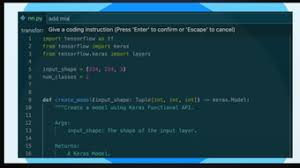
Getting started with Mutable AI is simple:
Step-by-Step Guide
- Install your preferred IDE (e.g., VS Code)
- Install the Mutable AI extension
- Open your project
- Select the code you want to improve
- Use commands like “Refactor” or “Explain.”
- Apply suggested changes
Beginner Tip:
Start by selecting small code blocks and using the “Explain” feature to understand them better.
4. Performance & Speed

Speed
- Fast processing of code transformations
- Slight delay for large files
Accuracy
- Very accurate for refactoring tasks
- Reliable for documentation generation
Reliability
- Stable performance
- Works well with an active internet connection
Real-Life Example:
While working on a legacy project, Mutable AI can:
- Clean up messy functions
- Add proper documentation
- Improve code structure
This makes maintenance much easier.
5. Pricing & Plans
Free Plan
- Limited usage
- Basic features
Paid Plans
- Full access to features
- Higher usage limits
- Better performance
Is it worth the money?
👉 Yes, especially for developers working on large or complex projects.
6. Pros and Cons
✅ Pros
- Excellent for refactoring code
- Improves code readability
- Saves time on documentation
- Easy to use
- Works inside IDEs
❌ Cons
- Not focused on real-time code generation
- Requires an internet connection
- Limited free plan
7. Best Use Cases
Who should use Mutable AI?
- Developers maintaining large codebases
- Teams improving legacy systems
- Backend developers
- Developers focused on code quality
Who should avoid it?
- Beginners looking for autocomplete tools
- Developers needing full code generation
- Users wanting offline tools
8. Comparison with Competitors
1. GitHub Copilot
- Better for real-time code generation
- More beginner-friendly
- Less focused on refactoring
2. Tabnine
- Strong autocomplete features
- Works offline
- Less powerful for code transformation
Key Difference:
Mutable AI is best for refactoring and improving existing code, while others focus on generating new code.
9. Security & Privacy
Data Handling
- Code processed securely
- Standard privacy practices followed
Encryption
- Secure communication channels
- Data protection in transit
Safety
- Safe for general development
- Avoid sensitive code in free plans
Best Practice
Use secure plans for confidential projects.
10. Final Verdict
Mutable AI is a unique tool focused on improving code quality.
Should you use it?
👉 Yes, if you want cleaner, more maintainable code
It’s especially useful for experienced developers and teams.
11. FAQs
1. What is Mutable AI used for?
It is used for code refactoring, documentation, and improving existing code.
2. Is Mutable AI free?
It offers a free plan with limited features.
3. Is Mutable AI good for beginners?
It’s more useful for intermediate and advanced developers.
4. Which languages does it support?
It supports Python, JavaScript, Java, and more.
5. Does Mutable AI work offline?
No, it requires an internet connection.
6. Is it better than GitHub Copilot?
It depends. Mutable AI is better for refactoring, while Copilot is better for generating code.
7. Can it generate full applications?
No, it focuses more on improving existing code rather than building full apps.
8. Is Mutable AI safe to use?
Yes, but avoid using it for sensitive code unless using secure plans.
9. Which IDEs support Mutable AI?
It works with VS Code and JetBrains IDEs.
10. Is Mutable AI worth it in 2026?
Yes, especially for developers focused on code quality and maintenance.
11. What is Mutable AI used for?
Mutable AI is mainly used for refactoring code, improving code quality, generating documentation, and explaining complex code.
12. Is Mutable AI free?
Yes, it offers a free plan with limited features. Paid plans unlock full capabilities and higher usage limits.
13. Is Mutable AI good for beginners?
It’s more suitable for intermediate and advanced developers, especially those working on larger or complex projects.
14. Which programming languages does Mutable AI support?
It supports popular languages like Python, JavaScript, TypeScript, and Java.
15. Does Mutable AI work offline?
No, it requires an internet connection to process and generate results.
16. How is Mutable AI different from GitHub Copilot?
Mutable AI focuses on refactoring and improving existing code, while GitHub Copilot is better for real-time code generation.
17. Can Mutable AI generate full applications?
No, it mainly focuses on enhancing and restructuring existing code rather than building full applications from scratch.
18. Is Mutable AI safe to use?
Yes, it follows standard security practices. However, avoid using it for highly sensitive code unless using secure plans.
19. Which IDEs support Mutable AI?
It works with popular IDEs like Visual Studio Code and JetBrains tools.
20. Can Mutable AI help with debugging?
Yes, it can help identify issues and suggest improvements in your code.2
21. Is Mutable AI worth it in 2026?
Yes, especially for developers who want to improve code quality, reduce technical debt, and maintain clean codebases.
Conclusion
Mutable AI stands out in 2026 as a specialized tool focused on code refactoring, documentation, and improving code quality. Instead of just helping you write code, it helps you write better and cleaner code, which is crucial for long-term projects. Features
While it may not be the best choice for real-time code generation, it excels in maintaining and optimizing existing codebases—making it a valuable tool for experienced developers and teams. Features